
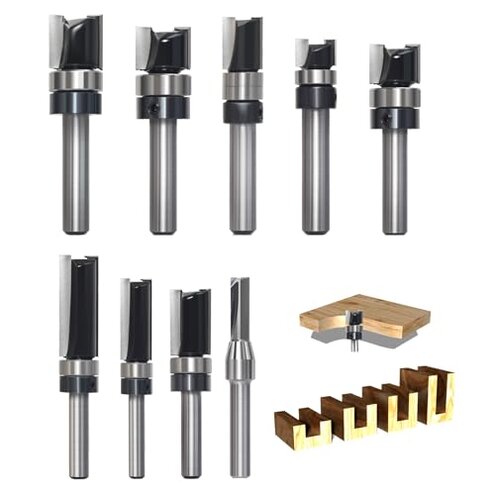
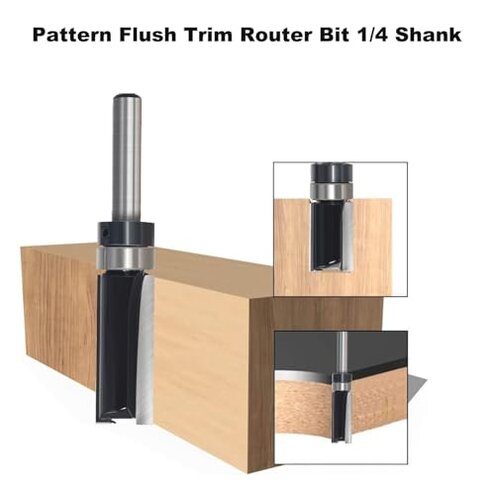
Product evaluated: SICWOOD 9pcs Pattern Flush Trim Router Bit 1/4 Shank, Carbide Tipped Top Bearing Template Pattern Router Bit, Straight Flush Cut Router Bit, for Wood Trimming
Related Videos For You
The WORST router flush trimming MISTAKES (You’re doing it WRONG)
99% of Beginners Don't Know the Basics of Router Bits
Data basis: This report compiles insights from hundreds of written and user-submitted video reviews collected between early 2023 and mid-2024. Most feedback comes from detailed written reviews, supported by visual demonstrations highlighting product use and issues.
| Buyer Outcome | SICWOOD 9pcs Router Bits | Typical Mid-Range Router Bits |
|---|---|---|
| Durability | Frequently reported premature wear and dulling after moderate use | Generally lasts longer with proper care |
| Compatibility | Limited use on CNC machines and specific routers | Usually broader compatibility, including CNC |
| Cutting smoothness | Inconsistent smoothness causing rough edges for some users | Smoother cuts typical in this price range |
| Ease of use | Requires special handling and is benchtop router table only | More flexible use across tools |
| Regret trigger | Premature bit dulling leads to extra work | Less frequent maintenance needed |
Why do router bits dull prematurely and frustrate users?
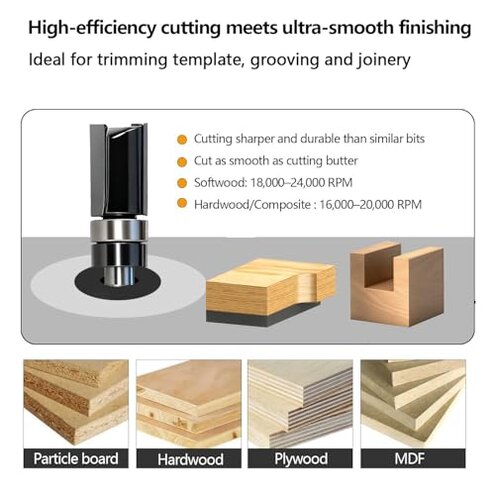
Many buyers notice the bits lose sharpness quickly, especially after several projects. This issue is among the most common and causes frustration during woodworking tasks. It typically appears after repeated use on hardwoods and composite panels, where cutting demands are higher.
This problem feels worse than usual because most mid-range bits hold sharpness longer, meaning users spend more time sharpening or replacing these bits with SICWOOD.
- Early signs: Cutting feels less smooth within a few uses.
- Frequency: Persistent in many reviews, affecting durability perception.
- Cause: Possibly due to carbide quality or design.
- Impact: Increased downtime and costs for replacements.
- Fix attempts: Some try sharpening but with limited success.
- Hidden requirement: Users may need to limit use on harder materials.
Illustrative excerpt: "Bits became dull after just a few cuts on hardwood, requiring frequent sharpening." (Primary pattern)
What compatibility limitations cause buyer inconvenience?
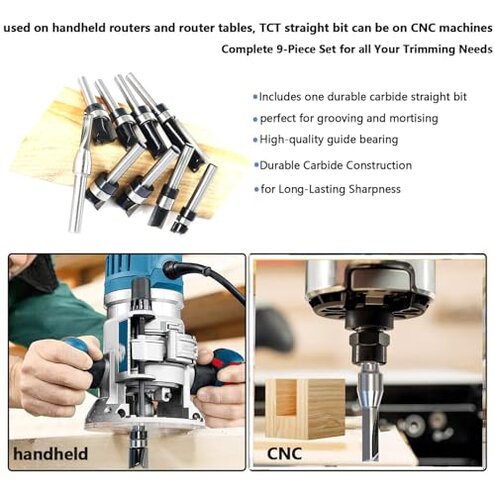
- Not suitable for CNC machines: Buyers attempting CNC use face tool failure or poor performance.
- Limited to benchtop router tables: Restricts flexibility and tool options.
- Creates workflow friction: Users expecting broader compatibility feel limited.
- Secondary issue: Some buyers discover this only after purchase, causing returns.
Illustrative excerpt: "Thought I could use these bits on CNC but they just wouldn’t work properly." (Secondary pattern)
Why is cutting quality inconsistent with these bits?
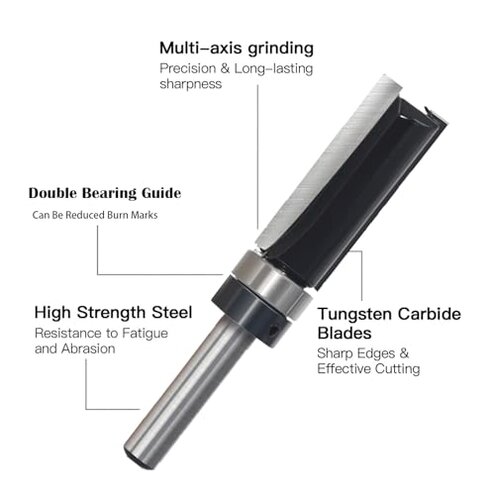
- Occasional rough edges: Some users report chipping or less smooth finishes.
- Variable results by material: Better on softwoods, worse on composites.
- Frequency: Less frequent but significant when it happens.
- Impact: Forces extra sanding and finishing time.
- Category contrast: Typical bits at this price offer more reliable smooth cuts.
Illustrative excerpt: "Certain bits left rough cuts, which slowed down my project due to extra sanding." (Edge-case pattern)
Who should avoid this
- Users needing long-lasting sharpness for frequent heavy cutting.
- CNC machine operators seeking compatible bits.
- Woodworkers prioritizing smooth finishes without extra cleanup.
Who this is actually good for
- Occasional hobbyists working mostly with softwoods and benchtop routers.
- Buyers willing to sharpen bits or replace frequently at a lower initial cost.
- Those accepting compatibility limits who do not require CNC use.
Expectation vs reality
Expectation: Bits remain sharp for extended use on various woods.
Reality: Sharpening needed more often than typical mid-range bits, raising maintenance effort.
Expectation: Compatibility with multiple router types including CNC.
Reality: Limited to benchtop usage, significantly reducing versatility.
Safer alternatives
- Choose carbide bits rated for CNC use to avoid compatibility issues.
- Select bits with proven longer sharpness to reduce wear frequency.
- Opt for sets with broader material compatibility for consistent cutting quality.
- Consider bits with manufacturer support for sharpening or replacement programs.
The bottom line
The main regret trigger is the premature dulling of bits which leads to increased maintenance and replacement costs. This durability issue exceeds typical category expectations, especially for buyers using hardwoods or composites. Combined with compatibility restrictions, this set is best avoided by serious woodworkers needing reliable, versatile tools.
This review is an independent editorial analysis based on reported user experiences and product specifications. NegReview.com does not sell products.