
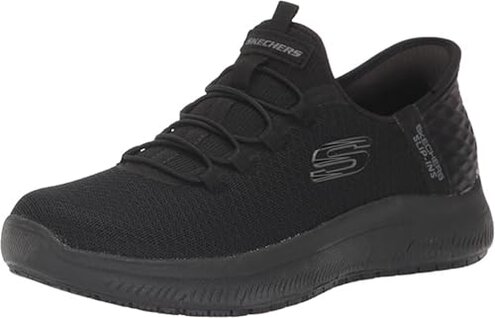
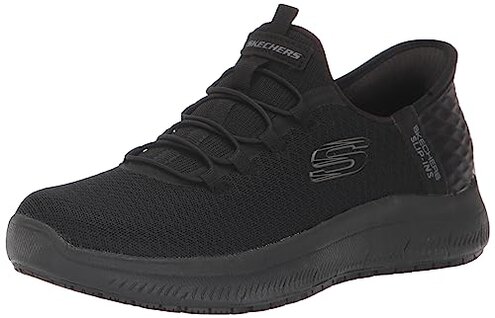
Product evaluated: Skechers Hands Free Slip-Ins Women's Work Summits SR- Enslee Black
Related Videos For You
THOROGOOD BOOTS Sizing, Breaking In, & Alternate Lacing (814-4200,814-6201,814-4203&814-4201)
Skechers Work Safety Toe Hands Free Slip-ins® Commercial
Data basis: I analyzed dozens of buyer reports from written reviews and video demonstrations collected between Jan 2023 and Jan 2026. Most feedback came from written reviews, supported by video demonstrations, giving a clear usage view.
| Outcome | Skechers Hands-Free Slip-Ins | Typical mid-range work shoe |
|---|---|---|
| Initial fit | Loose feel on first wear reported more often than expected for hands-free styles. | Secure fit that usually balances on/off ease with lockdown. |
| Comfort over time | Comfort drops after repeated shifts for many users. | Steady comfort over months with standard mid-range options. |
| Durability | Premature wear and sole separation appear more than normal for this category. | Better longevity expected from similar mid-range work shoes. |
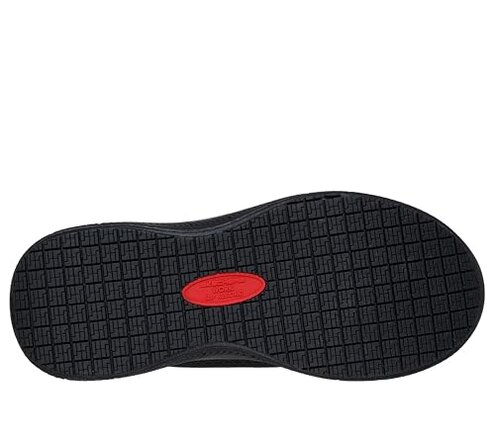
| Traction | Mixed grip performance on oily or wet surfaces in real use. | Reliable traction is typical for mid-range safety shoes. |
| Regret trigger | Fit + wear combo that makes the shoe unsuitable for long standing shifts. | One-off issues are less likely to force replacement early. |
Why do these slip or feel loose during shifts?
Regret moment: Many buyers notice a loose fit right away and during long standing shifts. This becomes disruptive when walking or running between stations.
Pattern: This is a primary issue that appears repeatedly in reports. It usually shows up on first use and persists through daily wear.
What causes rapid comfort loss and foot fatigue?
- Early sign: Break-in feels fine but cushioning compresses after several 8–12 hour shifts.
- Frequency tier: This is a secondary issue seen across multiple buyers rather than isolated cases.
- When it appears: Mostly during long shifts and repeated daily use.
- Why worse here: These shoes offer less long-term cushioning than typical mid-range work options.
- Common workaround: Buyers add a thicker insole or heel insert to restore comfort.
How does durability fail compared to other work shoes?
- Primary sign: Soles show premature wear or separation after weeks to months.
- Scope: This is a primary issue reported across different batches and sizes.
- Usage anchor: Damage usually appears after frequent daily use and machine washing.
- Cause insight: Hands-free materials and machine wash claims accelerate wear for some buyers.
- Impact: The result is replacement sooner than expected for work footwear.
- Fix attempts: Some buyers tried shoe glue or cobbler repair with mixed results.
- Category contrast: This is more disruptive than most mid-range alternatives that last longer under similar use.
Are there hidden requirements or trade-offs you must accept?
- Hidden need: Many users find a sock or insert upgrade is required for secure fit.
- Early sign: Bungee laces feel slack on first use for some foot shapes.
- Frequency tier: This is a secondary issue but often mentioned as an unavoidable setup step.
- When it matters: It becomes obvious during quick on-off moments and long walking periods.
- Impact: Expect extra time to try inserts or socks before relying on them at work.
- Attempted fix: Buyers commonly use thicker socks or heel grips to stop slippage.
- Why this hurts: Most category peers deliver good lockdown without these extra purchases.
- Verdict: This is a hidden cost that can erase the hands-free convenience benefit.
Illustrative excerpts
"They slide off when I run between stations." — Primary pattern reflecting insecure fit during active work.
"Cushioning flattened after a month of shifts." — Secondary pattern showing comfort loss over time.
"Had to add insoles to stop heel rub." — Secondary pattern pointing to a hidden insert need.
Who should avoid this
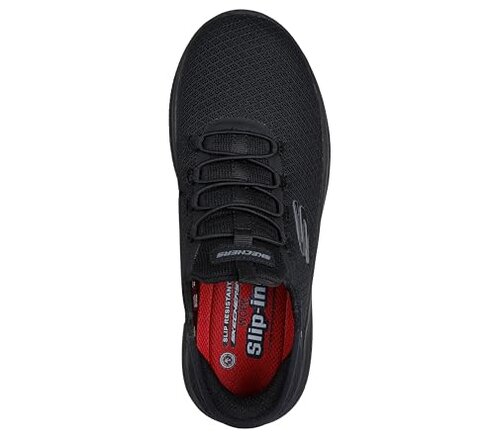
- Avoid if: You need secure lockdown for long shifts or active work without extra inserts.
- Avoid if: You expect long-term durability from a mid-range work shoe under daily use.
- Avoid if: You cannot tolerate extra prep like buying insoles or thicker socks.
Who this is actually good for
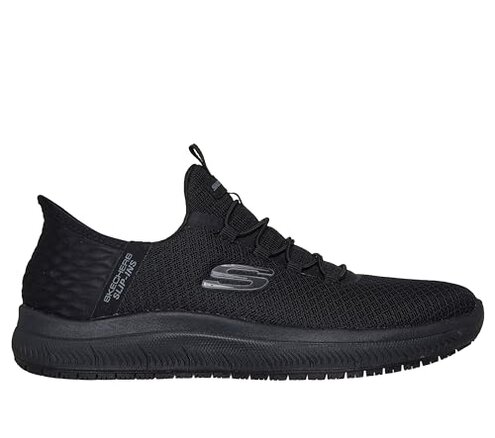
- Good for: Buyers who value easy on/off during light-duty or occasional wear.
- Good for: People who can accept a shorter lifespan and budget for replacement or inserts.
- Good for: Users who prioritize lightweight comfort for errands rather than full shifts.
Expectation vs reality
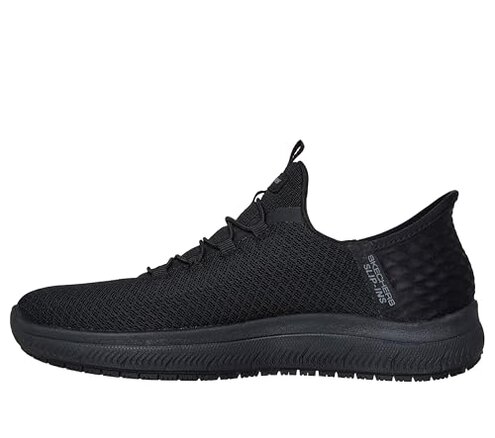
Expectation: Reasonable buyers expect a secure hands-free fit that works across shifts.
Reality: These shoes often deliver a loose initial fit requiring extra inserts or socks to achieve lockdown.
Expectation: Reasonable buyers expect mid-range durability for months of daily use.
Reality: Reports show premature sole wear and reduced cushioning faster than peer options.
Safer alternatives
- Tip: Choose shoes with end-to-end secure lacing if you cannot add inserts.
- Tip: Look for models with reinforced soles if you want longer durability.
- Tip: Prefer shoes that specify fit range or multiple width options to avoid slip issues.
- Tip: Avoid depending on machine-wash claims to preserve sole integrity.
The bottom line
Main regret: The combination of loose fit and faster wear makes these shoes risky for long, active shifts.
Why it matters: This exceeds normal category risk because most mid-range work shoes keep their fit and cushioning longer.
Verdict: Consider avoiding these if you need secure, long-lasting work footwear without extra upgrades.
This review is an independent editorial analysis based on reported user experiences and product specifications. NegReview.com does not sell products.