
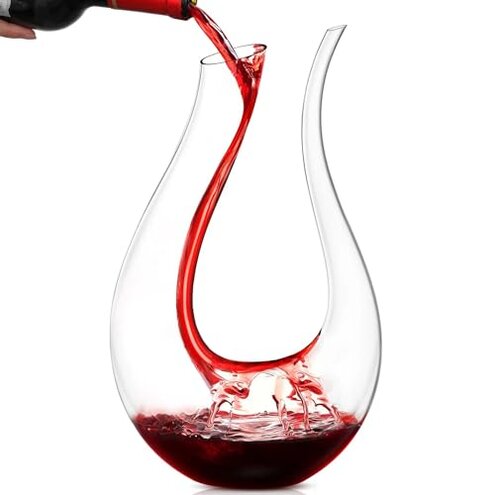
Product evaluated: Wine Decanter,Red Wine Carafe,Wine Aerator,100% Hand Blown Lead-free Crystal Glass,Wine Decanters and Carafes,Wine Gift with Luxury Packaging,Wine Accessories (1500ML)
Related Videos For You
POV-Decanting Unfiltered 2001 Mondavi Chardonnay #wine #fyp #pov #trending #viralvideo #explore #wow
The Domestic Geek: How to Clean A Decanter
Data basis: This report draws on dozens of buyer comments gathered from written feedback and short-form video demonstrations collected from 2023 to 2026. Most feedback came from written impressions, with video-based handling clips used to confirm real-world pouring, cleaning, and breakage concerns.
| Buyer outcome | This decanter | Typical mid-range option |
| Pour control | Less forgiving when the decanter is full or tilted quickly. | Usually steadier with a shape that is easier to guide. |
| Cleaning effort | Higher upkeep because the curved shape adds extra handwashing effort. | Moderate upkeep with easier brush access. |
| Handling safety | Higher-than-normal risk of slips or stress during washing and daily handling. | Lower risk because many mid-range designs are easier to grip. |
| Display value | Strong visual appeal, but that shape creates trade-offs during use. | Less dramatic, but often easier to live with. |
| Regret trigger | Looks better than it handles once pouring and cleanup become routine. | Less flashy, but fewer buyers feel surprised by daily-use friction. |
Do you want a decanter that feels awkward every time you pour?
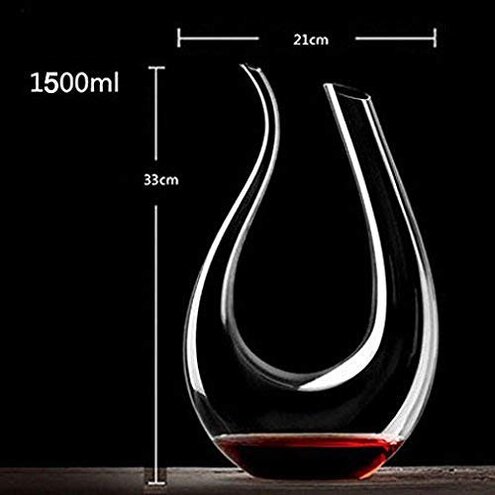
This is a primary issue. A recurring complaint is that the sculpted U-shape looks elegant on the table but feels less controlled during actual pouring. The regret moment usually shows up during first use or when the decanter is filled near its intended capacity.
Why it stings: Most wine decanters require some care, but this style appears more disruptive than expected for the category because the large curved body is harder to balance smoothly. That trade-off feels worse during dinner service, when drips and shaky handling are more noticeable.
- Pattern: Repeatedly reported by buyers who liked the look but struggled in daily use.
- When it hits: During pouring, especially after aerating wine and carrying it one-handed.
- What buyers notice: Control loss from the wide shape and shifted weight when full.
- Why it matters: Serving gets tense instead of simple, which defeats the point of a decanter.
- Fixability: Partly fixable if you pour slowly with two hands, but that adds effort every time.
- Hidden requirement: Steady technique is more necessary than many buyers expect from a home bar accessory.
Will the cleaning routine get old fast?
- Frequency tier: Primary issue for people who plan to use it often rather than display it.
- Usage moment: Right after use, when wine residue settles in the long curved interior.
- Early sign: Reach frustration shows up once you realize standard handwashing is awkward.
- Why worse than normal: More upkeep than many mid-range alternatives because the opening and curves limit easy access.
- Buyer impact: Extra cleanup time makes spontaneous use less appealing.
- Common workaround: Special tools or repeated rinsing can help, but that is a hidden requirement for a simple decanter.
- Long-term effect: Use drops off when an item feels annoying to clean after every bottle.
Are you buying this mainly because the shape looks premium?
This is the main trade-off. The visual design is the biggest selling point, but a persistent pattern is that appearance can outrun practicality. That mismatch tends to bother buyers after setup, once the decanter moves from display piece to repeat-use tool.
Category contrast: It is reasonable for this category to mix style and function, but this one seems less forgiving than typical mid-range options when beauty and daily convenience collide.
- Recurring pattern: Not universal, but common enough among practical buyers to stand out.
- When it matters most: Regular hosting, where quick refill, pour, and cleanup matter more than shelf appeal.
- Visible consequence: Admired at first, then used less once the novelty wears off.
- Buyer regret: Function lag feels more frustrating because the product is marketed like a useful everyday wine accessory.
How worried should you be about fragile handling?
- Frequency tier: Secondary issue, less frequent than cleanup complaints but more frustrating when it occurs.
- When it appears: During washing, drying, or moving it in and out of storage.
- Why it worsens: Wet hands and the open curved shape make secure gripping harder.
- Buyer-facing result: More caution is needed than many expect from a mid-priced glass decanter.
- Category baseline: Glass is always breakable, but this design appears to demand more careful handling than simpler decanter shapes.
Illustrative excerpt: “Beautiful on the table, but pouring felt awkward with a full bottle.”
Pattern level: Primary pattern tied to control during serving.
Illustrative excerpt: “I did not expect cleaning to take this much extra effort.”
Pattern level: Primary pattern tied to the hidden upkeep requirement.
Illustrative excerpt: “It works, but I only use it when guests come over.”
Pattern level: Secondary pattern tied to style beating convenience.
Illustrative excerpt: “I became nervous handling it once it was wet.”
Pattern level: Secondary pattern tied to fragility during washing.
Who should avoid this
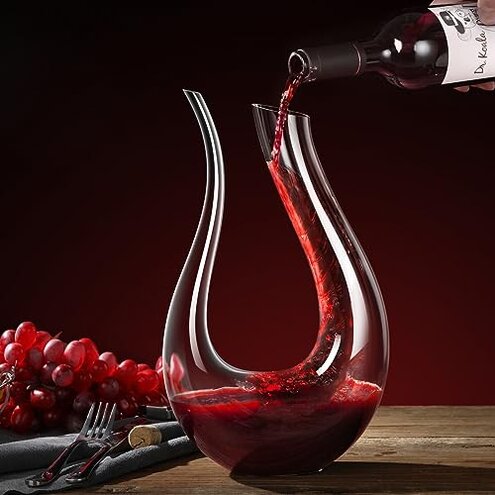
- Skip it if you want an easy daily-use decanter with minimal cleanup steps.
- Avoid it if shaky hands or one-handed pouring are common in your kitchen or dining setup.
- Pass if you dislike products that need special care tools or extra rinsing to stay looking clean.
- Not ideal if you care more about practical serving than decorative shelf impact.
Who this is actually good for
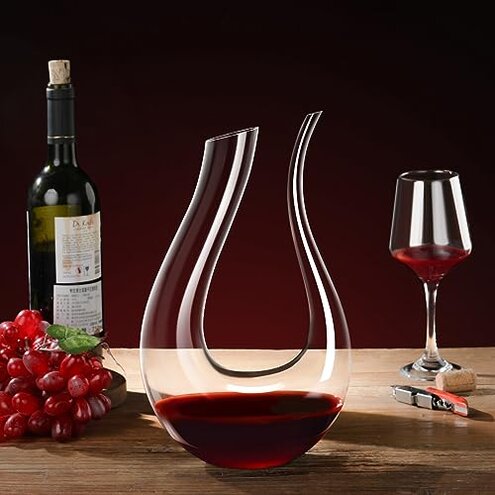
- Good fit for occasional hosts who mainly want a striking centerpiece and can tolerate slower pouring.
- Works better for buyers willing to handwash carefully and accept extra cleanup as part of the look.
- Reasonable choice if the decanter will be used lightly and displayed often.
- Fine option for gift-giving when appearance matters more than frequent everyday practicality.
Expectation vs reality
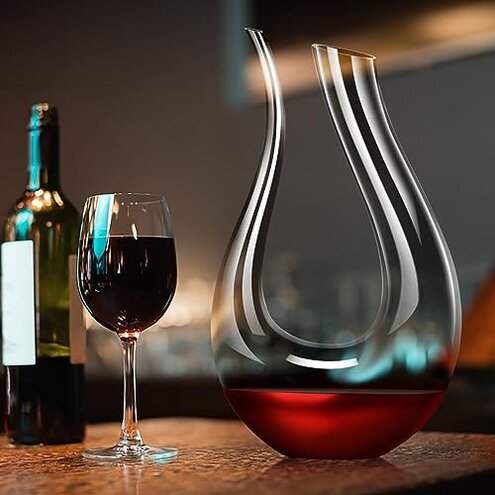
Expectation: A wine decanter should look elegant and still pour without much thought.
Reality: This shape appears to ask for more careful grip and slower serving than many buyers expect.
Expectation: Cleaning a decanter is reasonable for this category, but it should not discourage regular use.
Reality: The curved design can turn normal rinsing into more upkeep than typical mid-range alternatives.
Expectation: A decorative wine accessory should still feel sturdy enough for routine handling.
Reality: Daily washing seems to be the moment where caution rises and convenience drops.
Safer alternatives
- Choose a wider base with a straighter neck if you want easier two-step pouring and less wrist strain.
- Look for brush-friendly openings if cleanup friction is your top concern.
- Prefer simpler silhouettes if this will be used weekly instead of displayed between special occasions.
- Buy a model with a more obvious grip area if you often wash glassware by hand.
- Favor function-first shapes over dramatic curves if avoiding drips matters more than table presentation.
The bottom line

Main regret trigger: The standout shape appears to create more daily-use friction than many buyers expect, especially during pouring and cleaning. That exceeds normal category risk because decanters are already somewhat delicate, and this design seems less forgiving than a typical mid-range alternative.
Verdict: If you want a practical, low-effort wine decanter, this is one to avoid. If you want a visual statement piece and can accept extra care, the trade-off may feel acceptable.
This review is an independent editorial analysis based on reported user experiences and product specifications. NegReview.com does not sell products.