
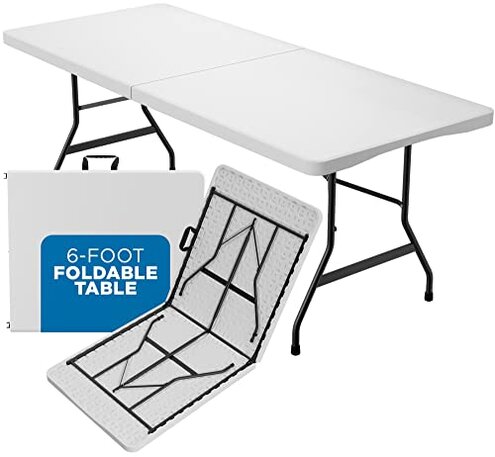
Product evaluated: Sorfey Folding Table 6-Foot X 30 inch, White Plastic
Related Videos For You
Folding Table Legs
Plastic folding table design flaws, benefits
Data basis: This report uses dozens of buyer comments collected from written feedback and video-style demonstrations between 2023 and 2026. Most feedback came from written impressions, with shorter visual posts helping confirm setup, carrying, and event-use problems that appeared repeatedly across sources.
| Buyer outcome | Sorfey table | Typical mid-range option |
|---|---|---|
| First setup feel | More variable feel after unfolding, with recurring concern about how solid it seems once opened. | Usually predictable lock-in feel with fewer early doubts. |
| Event stability | Higher risk of wobble becoming noticeable during serving, crafts, or repeated leaning. | Moderate risk is normal, but usually less distracting in routine use. |
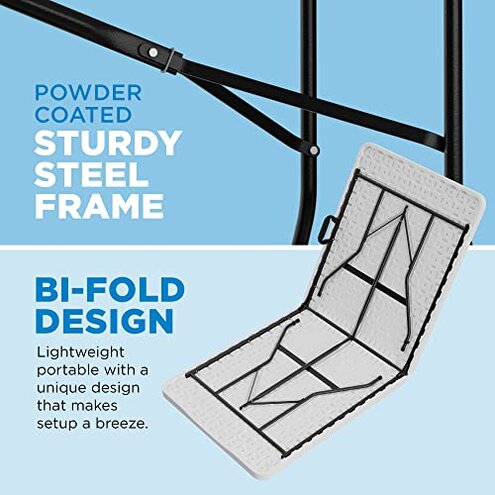
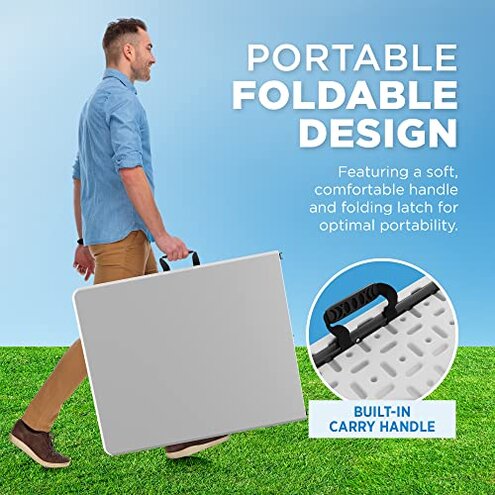
| Carry and storage | Portable, but the fold-and-carry benefit can be offset if you need to baby the latch and alignment. | Simpler transport with fewer extra checks before moving. |
| Surface confidence | Less reassuring for heavier party setups than many shoppers expect at this size. | More forgiving for normal buffet and household use. |
| Regret trigger | Buying for gatherings and then spending the event monitoring wobble or placement. | Minor compromises, but usually not enough to distract from the event. |
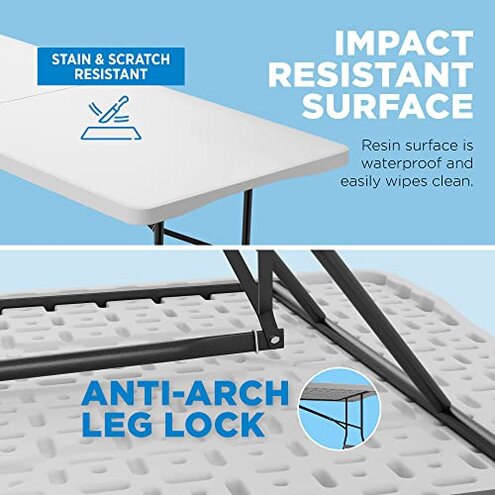
Will it feel shaky right when guests start using it?
This is the primary issue. The regret moment shows up after setup, when the table is finally loaded for food, supplies, or seating support and it feels less planted than expected.
The pattern appears repeatedly. Folding tables always carry some movement risk, but this seems more disruptive than expected for a mid-range 6-foot option used at parties or pop-up events.
- Early sign: Buyers commonly notice movement during the first press or lean after unfolding.
- Frequency tier: This is a primary complaint seen across multiple feedback types.
- Usage moment: It becomes more obvious during serving or when several people touch the table over a long session.
- Why it stings: A folding table should not feel premium, but it should feel confident enough for normal event traffic.
- Impact: The wobble adds mental load because buyers start rearranging items instead of ignoring the table.
- Common workaround: People try flatter ground, lighter loads, or less leaning, which adds extra setup effort.
- Fixability: Some users reduce the annoyance with careful placement, but the issue is not universally fixable.
Does the fold-and-carry design create extra hassle?
- Hidden requirement: The carry feature works best when you are willing to do extra alignment checks before and after use.
- Pattern: This is a secondary issue, less frequent than wobble but frustrating when it occurs.
- When it appears: It shows up during teardown, especially when you are rushing after a party or outdoor event.
- What buyers notice: The fold, latch, and carry process can feel less smooth than expected for something sold on portability.
- Why worse than normal: Most mid-range folding tables need basic care, but this one seems less forgiving when closing or moving quickly.
- Real impact: Instead of a fast pack-up, buyers may pause to recheck closure and handle position.
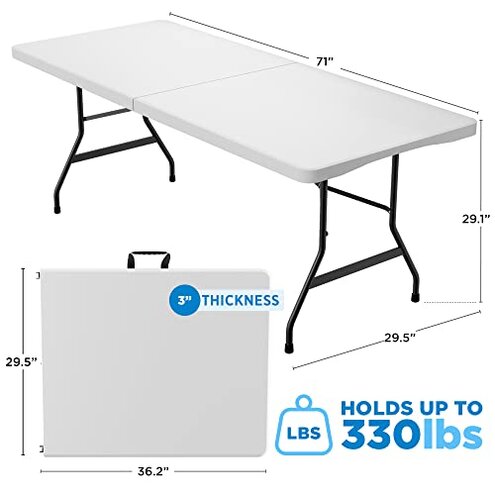
Can it handle the kind of load a 6-foot party table suggests?
This is a persistent concern. The issue usually appears once the table is fully in use, not when it is empty.
That matters because shoppers often buy a 6-foot table expecting buffet duty, craft displays, or broad household use. In this category, some flex is normal, but feedback suggests this table feels less confidence-inspiring than typical mid-range alternatives.
- Scope: Concerns show up across multiple feedback sources, not just isolated comments.
- Condition: The weakness feels worse when weight is spread unevenly or people rest arms on one edge.
- Buyer regret: The table may still work, but users start limiting what they place on it.
- Trade-off: Portability helps, yet buyers expecting heavy everyday utility may feel they bought too light.
- Comparison: A normal mid-range table should tolerate ordinary event setups without making you second-guess placement this often.
Will it hold up if you use it often, not just once in a while?
- Pattern statement: This is an edge-case to secondary concern, but it becomes more important for repeat users.
- When it shows: Problems feel bigger after repeated folding, carrying, and storage, not just on day one.
- Why it matters: A table for regular events needs to stay easy to trust, not become something you inspect every time.
- Category contrast: Wear concerns are expected here, but buyers describe upkeep that feels higher than normal for casual household gear.
- User impact: Frequent users may spend more time checking stability, latch behavior, or where to place it safely.
- Best-case mitigation: Gentle handling can reduce stress, but that undercuts the appeal of a grab-and-go table.
- Who feels it most: Event hosts, crafters, and market sellers are more likely to notice the downside than occasional holiday users.
Illustrative excerpt: “It looked fine empty, then felt unsteady once dishes went on.” Primary pattern.
Illustrative excerpt: “Packing it up took longer because I kept checking the close.” Secondary pattern.
Illustrative excerpt: “Good size, but not the confidence I wanted for party food.” Primary pattern.
Illustrative excerpt: “Okay for occasional use, not my favorite for repeated setups.” Secondary pattern.
Who should avoid this
- Avoid it if you need a buffet or display table that feels calm under frequent touching and leaning.
- Skip it if you host often and want fast teardown without extra closing or alignment attention.
- Look elsewhere if you expect a 6-foot table to handle heavier setups without second-guessing placement.
- Pass on it if uneven ground or outdoor events are common, because stability concerns usually worsen there.
Who this is actually good for
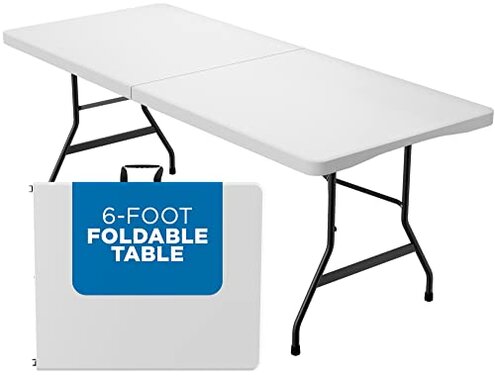
- It fits buyers who only need occasional extra surface space and can tolerate some movement.
- It suits light indoor use where the table will hold modest items and stay mostly undisturbed.
- It works for shoppers prioritizing low upfront cost over long-term confidence during repeated event use.
- It can fit someone willing to baby setup, load placement, and teardown to avoid the main frustrations.
Expectation vs reality
Expectation: A 6-foot folding table should feel reasonably steady for this category during normal party use.
Reality: Feedback points to more noticeable wobble than many buyers expect once real items are placed on it.
Expectation: Fold, latch, carry, and store should be the easy part.
Reality: Portability is there, but some buyers report extra handling steps that reduce the convenience.
Expectation: Lightweight design means some compromise, but not constant caution.
Reality: The trade-off can shift toward active monitoring, especially at longer events.
Safer alternatives
- Choose models with a stronger reputation for locked-in stability if your main use is buffet service or craft displays.
- Prioritize tables known for smoother fold-and-close behavior if quick teardown matters after events.
- Look for buyer feedback that mentions repeated use, not just first impressions, to avoid long-term trust issues.
- Match the table to lighter-duty indoor tasks if you want portability without expecting high load confidence.
The bottom line
The main regret trigger is buying this for busy gatherings and then noticing stability doubts once it is actually in use. That exceeds normal category risk because a mid-range folding table should require less monitoring during serving and teardown. If you need confidence more than low-price portability, this is easier to skip than to justify.
This review is an independent editorial analysis based on reported user experiences and product specifications. NegReview.com does not sell products.