
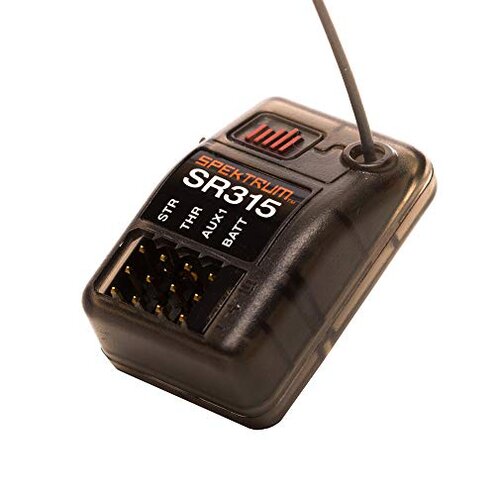
Product evaluated: Spektrum SR315 3-Channel 2.4GHz DSMR RC Sport Receiver: Surface , Black
Related Videos For You
BEST WAY To Bind Transmitter To Receiver
How to Bind Traxxas TQ/TQi Radio and Receiver
Data basis: This report is built from dozens of buyer reviews and video demonstrations collected between 2019 and 2024, with most feedback coming from written reviews supported by recorded setup clips and teardown videos.
| Outcome | Spektrum SR315 | Typical mid-range receiver |
|---|---|---|
| Connectivity stability | Dropouts reported — users commonly describe mid-run signal loss during close-range surface driving. | Generally stable — most mid-range units keep link under similar conditions. |
| Binding reliability | Tricky binds — some buyers needed multiple attempts or specific transmitter modes. | Smoother binds — binding usually completes first try with mid-range alternatives. |
| Failsafe behavior | Unpredictable — preset gas-mode failsafe sometimes acted unexpectedly after dropouts. | Consistent — typical receivers revert cleanly to known failsafe states. |
| Hidden requirements | Compatibility needs — several reports show required transmitter firmware or DSMR mode matching. | Less picky — most mid-range receivers tolerate wider transmitter setups. |
| Regret trigger | Higher-than-normal risk — connectivity and failsafe issues are more disruptive than expected for this category. | Lower regret risk — typical alternatives cause fewer mid-run failures. |
Top failures
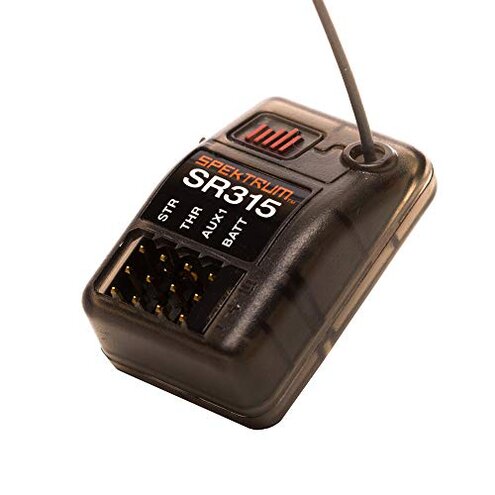
Why does the receiver lose signal mid-run?
Regret moment: Signal loss happens while driving, often during normal-range surface runs and close maneuvers.
Pattern: This is a recurring complaint seen across written reports and demonstration videos, though not universal.
When it shows: Drops appear during use, typically after 10–30 minutes or during turns near obstacles.
Category contrast: This is more disruptive than expected because most mid-range receivers keep stable links under the same conditions.
Why is binding inconsistent?
- Early sign: Receiver LED does not always enter bind mode on first press.
- Frequency tier: Binding trouble is a secondary pattern that appears regularly in setup reports.
- Cause: Users report a need for specific transmitter modes or a strict button timing during bind.
- Impact: Requiring multiple bind attempts adds extra setup time and frustration.
- Fix attempts: Workarounds include power-cycling and exact bind sequence retries which sometimes succeed.
Why can failsafe behave unexpectedly?
- Primary sign: Gas-mode failsafe sometimes leaves throttle active after dropout.
- Context: This appears during dropouts and when users rely on preset failsafe rather than custom settings.
- Frequency: The issue is a primary complaint for buyers who experienced dropouts.
- Severity: Unexpected throttle is more dangerous than usual for receivers in this price range.
- Attempted fixes: Buyers tried setting custom failsafes, but results were mixed.
- Hidden cost: Resolving this may require extra setup time and testing before each run.
- Repairability: No clear user-side firmware fix appeared consistently in feedback.
Are there hidden compatibility or firmware needs?
- Hidden requirement: Several users reported needing a transmitter with DSMR support and specific firmware.
- Scope: This compatibility note is seen across multiple feedback surfaces, not just one source.
- Early sign: If binding repeatedly fails, check transmitter protocol and firmware versions.
- Why worse: Many mid-range receivers are less picky about transmitter firmware, making this product more restrictive.
- Impact: Buyers without compatible transmitters face extra cost or replacement time.
- Attempted workaround: Updating transmitter firmware helped some users but not all.
- Edge-case: Older transmitters may never fully match, making the receiver unusable for some buyers.
Illustrative excerpts
Illustrative excerpt: “Signal cut out while turning at normal distance, car kept coasting.” — pattern: primary.
Illustrative excerpt: “Needed three tries to bind, finally worked after power-cycle.” — pattern: secondary.
Illustrative excerpt: “Failsafe left throttle on briefly after link dropped.” — pattern: primary.
Illustrative excerpt: “My old transmitter would not bind without firmware update.” — pattern: edge-case.
Who should avoid this
- Competitive drivers who need rock-solid links and predictable failsafe under race stress.
- Inexperienced hobbyists who lack tools or knowledge to update transmitter firmware and test custom failsafes.
- Users with older transmitters unless they confirm DSMR and firmware compatibility beforehand.
Who this is actually good for
- Experienced hobbyists willing to troubleshoot binds and test failsafe settings before each run.
- Buyers with compatible DSMR transmitters who can update firmware and accept extra setup steps.
- Casual surface drivers who accept occasional resets and short-term dropouts during low-risk use.
Expectation vs reality
Expectation: A mid-range surface receiver should bind quickly and stay linked on typical runs.
Reality: The SR315 often requires extra bind attempts and shows mid-run drops, which is worse than reasonable for this category.
Expectation: Preset failsafe will safely cut throttle on signal loss.
Reality: Buyers report unexpected failsafe actions, sometimes leaving throttle active after a dropout.
Safer alternatives
- Check protocol first: Buy receivers listed as broadly compatible if you want fewer firmware headaches.
- Prefer proven stability: Choose receivers with widely reported stable links to avoid mid-run dropouts.
- Look for clear failsafe controls: Pick models that let you program and test custom failsafes easily.
- Buy bundle-tested sets: Consider buying a receiver sold with a matching transmitter to reduce bind and compatibility risk.
The bottom line
Main regret: The biggest trigger is connectivity and failsafe unpredictability, which causes safety and control issues during normal use.
Why avoid: These problems are more disruptive than expected for a mid-range receiver and often need extra troubleshooting or compatible transmitters.
Verdict: Avoid this receiver if you want plug-and-play reliability; consider it only if you can verify protocol compatibility and accept extra setup time.
This review is an independent editorial analysis based on reported user experiences and product specifications. NegReview.com does not sell products.