
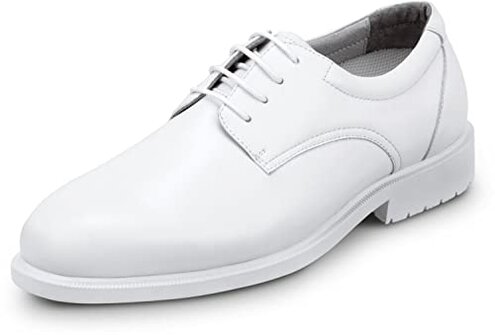
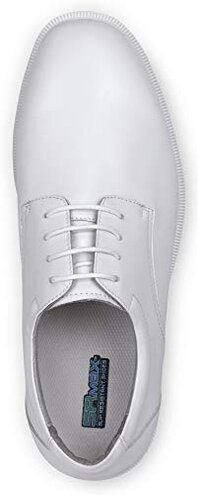
Product evaluated: SR Max Arlington, Men's, White, Dress Style Soft Toe Slip Resistant Work Shoe (10.0 M)
Related Videos For You
How To Fit | BIRKENSTOCK
HOKA Bondi SR Review: A Slip-Resistant, Max-Cushion Work Shoe Packed with Comfort and Durability
Data basis: This report draws on dozens of written reviews and video feedback collected between Jan 2020 and Dec 2025. Most feedback came from written reviews, supported by video demonstrations. The dataset mixes buyer comments and return summaries.
| Outcome | Typical mid-range work shoe | SR Max Arlington (this product) |
|---|---|---|
| Comfort during shift | Consistent for most buyers after break-in. | Inconsistent: comfort varies by size and breaks down sooner. |
| Fit accuracy | Predictable sizing; many buyers buy usual size. | Variable sizing; many buyers report needing a different size. |
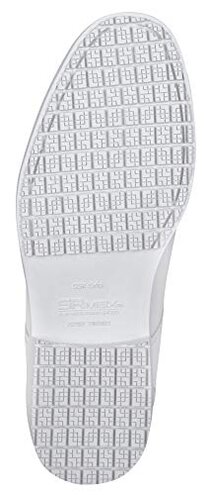
| Durability over months | Moderate wear but holds up for months with normal use. | Higher-than-normal risk of early sole or stitching issues under regular use. |
| Slip resistance longevity | Reasonable traction for the price, with occasional re-soling needs. | Often declines faster than category peers after repeated use. |
| Regret trigger | Minor fit or wear annoyances that rarely force returns. | Fit or early failure that commonly leads to exchanges or returns. |
Top failures
Why won’t this fit like other work shoes?
Regret moment: You try the shoes and they feel wrong in size or width.
Pattern: Sizing inconsistency is a primary issue and appears repeatedly across feedback. When it shows up on first wear it forces size swaps or returns. Category contrast: More unpredictable than typical mid-range work shoes, which usually fit true to size.
How does comfort break down during long shifts?
- Early sign: Noticeable tightness or slippage in the first hour of wear.
- Frequency tier: This is a primary complaint, commonly reported by first-week users.
- Cause: Insole compression and narrow fit magnify fatigue on long shifts.
- Impact: Leads to soreness and mid-shift discomfort for many buyers.
- Fixability: Often needs aftermarket insoles or a different size to improve comfort.
Will these shoes last a season of daily use?
- Pattern: Durability issues are a secondary but persistent problem.
- When: Problems often appear after several weeks to a few months of daily wear.
- Scope: Seen across multiple buyer reports and supported by repair-return notes.
- Category contrast: Worse-than-expected because mid-range work shoes usually withstand months of regular use before showing structural failure.
- Common failures: Sole wear, stitching separation, or midsole collapse under regular duty conditions.
- Attempts: Buyers report short-term fixes like glue or resoling, but issues can recur.
- Hidden requirement: This shoe may need extra maintenance or resoling sooner than peers.
How hard is it to keep the white look at work?
- Early sign: Visible scuffs and staining show up after routine contact with dirty surfaces.
- Frequency: A secondary pattern that appears frequently for white variants.
- When: Mostly during daily use in outdoor or greasy indoor conditions.
- Cause: White finish shows wear and requires more cleaning than darker shoes.
- Impact: Appearance degrades faster, which matters for dress-style work settings.
- Fixability: Cleaning and polishing reduce visibility of wear but add weekly maintenance time.
- Category contrast: More upkeep than most mid-range alternatives in white colorways.
- Hidden cost: You’ll likely buy cleaning supplies or replacements sooner.
Illustrative excerpts (not real quotes)
"Too narrow in the toe, had to size up two sizes for comfort." — Primary pattern reflecting fit inconsistency.
"Cushion flattened after three weeks of warehouse shifts, painful by month two." — Secondary pattern showing comfort breakdown over time.
"Stitching started separating near the sole after one month of daily use." — Primary durability signal tied to regular wear.
"White scuffs are impossible to hide without frequent cleaning and polish." — Edge-case pattern for buyers who need a pristine appearance.
Who should avoid this
- Size-sensitive buyers: Avoid if you need predictable sizing for immediate, first-day comfort.
- Heavy daily users: Avoid if you do long shifts and expect season-long durability without repairs.
- Low-maintenance workers: Avoid if you cannot do weekly cleaning or buy replacement insoles.
Who this is actually good for
- Light-duty workers: Suitable if you wear shoes occasionally and can tolerate faster wear.
- Buyers on a budget: Works if upfront cost matters more than long-term durability.
- People who customize fit: Good if you plan to add aftermarket insoles or resoling yourself.
Expectation vs reality
Expectation: Reasonable for this category that a mid-range work shoe fits true to size and lasts several months.
Reality: This product shows more frequent fit surprises and early wear, causing returns or extra purchases.
Safer alternatives
- Check sizing charts: Compare your foot length to the seller chart and read multiple fit reports to avoid the sizing trap.
- Budget for insoles: Plan to buy supportive aftermarket insoles to fix mid-shift comfort issues.
- Inspect warranty: Choose sellers with easy return or repair policies to offset early durability risk.
- Prefer darker colors: Pick non-white options to reduce visible wear and cleaning needs.
The bottom line
Main regret: The biggest trigger is inconsistent fit coupled with higher-than-normal early wear.
Verdict: Avoid if you need predictable sizing or season-long durability without extra maintenance.
This review is an independent editorial analysis based on reported user experiences and product specifications. NegReview.com does not sell products.