
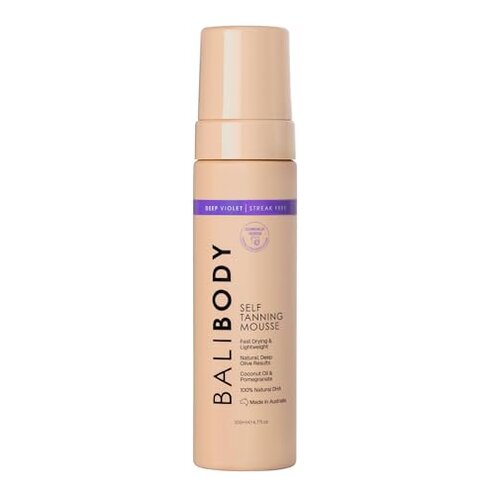
Product evaluated: St.Tropez Classic Bronzing Self Tan Mousse for Streak-Free, Golden Tinted, Natural-Looking Tan, 8 Fl Oz
Related Videos For You
ULTRA DARK SELF TAN SHADE✨ #cocoandeve #tanning #faketan #selftan
Self tanning TIPS from someone who tans WEEKLY #selftanner #tanning
Data basis: This report summarizes hundreds of buyer comments gathered from written feedback and video-style demonstrations collected from 2010 through 2026. Most feedback came from written impressions, with visual demos helping confirm how the color develops, fades, and looks during real use.
| Buyer outcome | This product | Typical mid-range alternative |
|---|---|---|
| Application forgiveness | Higher risk of visible mistakes if prep is uneven or rushed | Usually easier to correct with less exact prep |
| Fade quality | Common concern is patchy wear after several days | More even fade is a reasonable category baseline |
| Odor tolerance | Mixed results once the tan develops on skin | Typical self-tan smell still happens, but often feels less surprising |
| Hidden upkeep | More upkeep than many expect for a natural-looking result | Moderate upkeep is still needed, but usually less strict |
| Regret trigger | Looks good early, then turns uneven on dry spots or while fading | Less dramatic payoff, but also less frustrating recovery |
Why does it look great at first, then go patchy fast?
This is the primary issue. The most common regret moment appears after the first good-looking day, when elbows, knees, ankles, or other dry areas start holding darker color.
The pattern is recurring. It shows up during daily wear and becomes more obvious as the tan fades, especially if skin prep was only average rather than very thorough.
Category contrast: Some uneven fading is normal for self-tan, but buyers repeatedly describe this one as less forgiving than a typical mid-range mousse when the prep is imperfect.
- Early sign: Color can look slightly darker on dry spots within the first full development window.
- Frequency tier: This appears repeatedly and ranks among the most disruptive complaints.
- Usage moment: It usually becomes obvious after showering and through the next few days of normal movement.
- Impact: Buyers often end up doing extra blending, scrubbing, or reapplying just to make the fade look acceptable.
- Fixability: The issue is sometimes manageable with careful exfoliation and moisturizer, but that adds work many did not expect.
Illustrative excerpt: “Looked even the first night, then my ankles grabbed all the color.” Primary pattern.
Why is the application harder than the label makes it sound?
- Hidden requirement: A careful prep routine is commonly needed before first use, not just a quick apply-and-go session.
- When it happens: Trouble starts during application if hands, feet, wrists, and ankles are not moisturized just right.
- Pattern: This is a persistent secondary issue, especially for first-time self-tan users.
- Why it frustrates: The product can seem easy until you learn it has little margin for rushed strokes or missed blending.
- Buyer impact: Mistakes are visible enough that some users feel they cannot wear it confidently the next day.
- Category contrast: Self-tanners always need prep, but this often feels more technique-sensitive than most mid-range alternatives.
- Mitigation: A mitt, good lighting, and more time can reduce risk, but they also turn a quick beauty step into a process.
Illustrative excerpt: “It was fine on my arms, but my wrists gave me away.” Secondary pattern.
Why does the smell still bother some people later?
- Core complaint: The scent can be less pleasant later than expected once the tan develops on skin.
- Pattern signal: This is not universal, but it appears across multiple feedback types often enough to matter.
- When it shows up: The issue tends to appear hours after application, not always right from the bottle.
- Why it matters: Buyers expecting a cleaner wear experience can feel misled by the first impression.
- Severity cue: It is less common than patchiness, but more frustrating when it lingers through sleep or clothing wear.
- Category contrast: Self-tan odor is normal, yet the disappointment here comes from expectation mismatch rather than the smell alone.
Illustrative excerpt: “The scent started nice, then turned into that usual tan smell.” Secondary pattern.
Why does the color sometimes come out wrong for the person using it?
- Main risk: A too-dark or slightly unnatural result is a less frequent but persistent complaint.
- When it happens: It tends to show up on first use when buyers leave it on too long or apply more than needed.
- Pattern: This is an edge-case issue compared with streaking and fading, but it causes stronger regret when it happens.
- Worsening condition: The mismatch is more noticeable in daylight or on lighter skin tones seeking a subtle result.
- Hidden trade-off: Trying to get a long-lasting tan can push buyers toward heavier application, which raises the chance of an unnatural look.
- Category contrast: Many mousses build darker with time, but this one is often described as less intuitive for beginners judging their ideal depth.
- Fixability: The only fix is often waiting it out or removing some color, which adds effort and can leave uneven spots.
- Buyer consequence: That makes special events or next-day plans a higher-risk use case.
Illustrative excerpt: “I wanted subtle bronze, but by morning it was too much.” Edge-case pattern.
Who should avoid this

- Avoid it if you want a low-effort self-tan that tolerates rushed prep, because the hidden routine is stricter than many expect.
- Avoid it if patchy fading bothers you more than slightly lighter color, since uneven wear is the main regret trigger.
- Avoid it if you are a first-time user needing a very forgiving mousse for wrists, ankles, and knees.
- Avoid it if you need dependable next-day results for an event, because recovery from mistakes adds time and stress.
Who this is actually good for
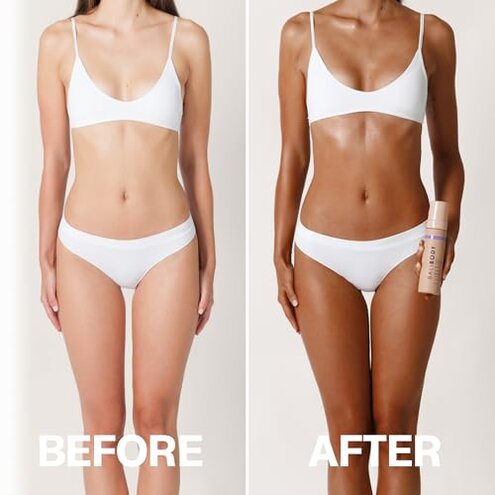
- Good fit for someone already used to tanning mitts, careful exfoliation, and detailed blending.
- Good fit for buyers willing to trade extra prep for a stronger color payoff than many safer-feeling alternatives.
- Good fit for people who can do a trial run days before an event and adjust technique if needed.
- Good fit for users who do not mind occasional self-tan smell if the initial finish looks good.
Expectation vs reality
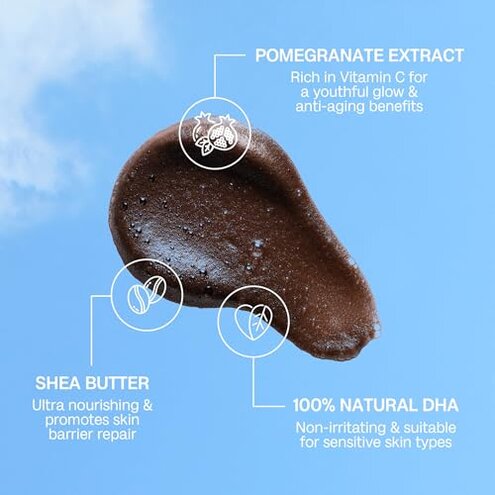
Expectation: A reasonable hope in this category is a tan that may need prep but still fades fairly evenly.
Reality: Here, the more common frustration is that fading quality can break down faster on dry areas than buyers expect.
- Expectation: A mousse format should feel beginner-friendly.
- Reality: This one often acts beginner-sensitive, especially around hands, feet, and joints.
- Expectation: A pleasant fragrance means less odor stress later.
- Reality: Some buyers still notice the familiar self-tan smell during development.
Safer alternatives
- Choose gradual tanners if your main worry is patchy fade, because lighter daily color usually fails less dramatically.
- Pick a lighter buildable formula if you are new to self-tan, since it gives more room to correct over-application.
- Look for products known for even fade if dry knees, ankles, and elbows usually expose tanning mistakes on you.
- Prefer clear routines with shorter wear windows if you want fewer hidden steps and less overnight uncertainty.
- Test for odor tolerance with smaller sizes or a single-use format if the delayed self-tan smell tends to bother you.
The bottom line
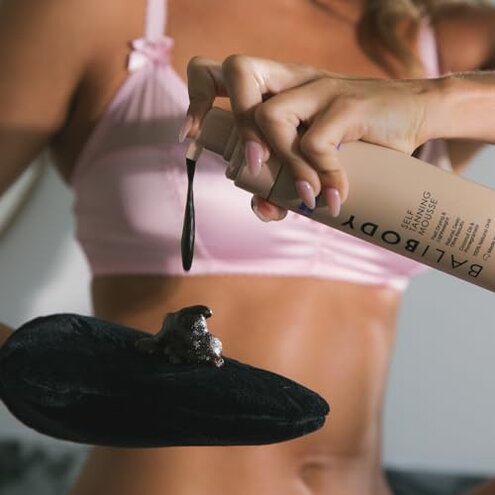
Main regret trigger: the tan can start attractive, then become patchy and high-maintenance as it develops and fades. That exceeds normal category risk because the product often asks for more precise prep and more cleanup effort than a typical mid-range alternative. Verdict: avoid it if you want forgiving results, and only consider it if you already know how to manage self-tan carefully.
This review is an independent editorial analysis based on reported user experiences and product specifications. NegReview.com does not sell products.