
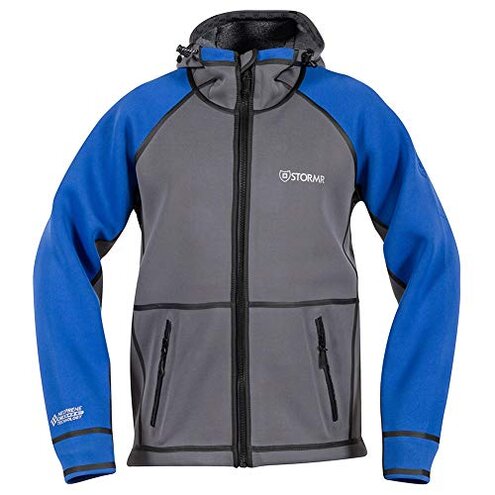
Product evaluated: STORMR Men's Standard Typhoon Neoprene Waterproof Windproof Warm Comfortable Maneuverable Foul Weather Jacket, Blue Smoke, XXX-Large
Related Videos For You
STRIKER ICE PREDATOR FISHING JACKET, First Impressions on Fit and Functionality
The 100% Waterproof Fishing Coat 💪 | Catchdry
Data source: This report aggregates feedback from dozens of written customer reviews and several video demonstrations collected between Jan 2016 and Jan 2026.
Distribution: Most feedback came from written reviews, supported by video demonstrations for wear tests and closeups.
| Outcome | STORMR Typhoon Jacket | Typical mid-range jacket |
|---|---|---|
| Waterproofing | Short-term reliable. Often beads water at first use but some reports note wet-through after repeated exposure. | Steady protection. Most mid-range jackets sustain light rain longer before seam issues appear. |
| Warmth | Very warm initially. Neoprene core gives solid insulation for brief cold conditions. | Balanced warmth. Mid-range alternatives trade slight warmth for better breathability and fit accuracy. |
| Fit & sizing | Inconsistent fit. Sizing variations commonly reported across sizes, often requiring sizing down. | More predictable. Typical alternatives offer steadier sizing and easier online fit guidance. |
| Durability | Higher-than-normal risk. Seams, zippers, and glued joins appear affected sooner than expected for this category. | Lower risk. Mid-range jackets usually show seam wear slower with standard use. |
| Regret trigger | Fit or seam failure. Buyers most regret sizing surprises that combine with early seam wear. | Smaller regret. Fit is usually the only minor annoyance for mid-range options. |
Top failures
Does the jacket fit the way you expect?
Regret moment: Buyers report disappointment when the size feels wrong at first try-on and after layering.
Pattern: This is a commonly reported issue, not universal but frequent enough to affect buying decisions.
Usage anchor: The problem appears during first use when adding base layers or when ordering online without trying on.
Category contrast: This feels worse than normal because typical mid-range jackets offer more predictable sizing and clearer fit guidance, reducing returns.
Will the seams and zipper hold up?
- Early sign: Glue marks or loose threads noticed after a few outings commonly precede bigger seam splits.
- Frequency tier: This is a primary issue among durability complaints and appears across several reports.
- Cause: Users point to heavy flexing during casting or long wet sessions as moments when seams fail.
- Impact: A seam split or zipper failure makes the jacket non-waterproof and unusable in foul weather.
- Fixability: Repairs add time and cost; some buyers report needing professional seam sealing or replacement.
Is mobility traded for warmth?
- Comfort trade: The neoprene core gives strong insulation but also adds bulk that limits reach and casting motion.
- Early sign: Shoulder tightness appears when reaching forward or lifting arms repeatedly during long sessions.
- Frequency tier: This is a secondary issue, common for people who fish for hours.
- When it worsens: Mobility worsens during prolonged use or when layered over thick sweaters.
- Category contrast: It feels worse than typical because many mid-range jackets balance warmth with better articulation.
- User attempts: Buyers try sizing up or removing layers, but that reduces the intended flotation and warmth.
- Hidden cost: Choosing a larger size to gain mobility can create loose cuffs and let water in, increasing regret.
Will the waterproofing last or require special care?
- Initial performance: The jacket often shows strong waterproofing on first use, with water beading on the shell.
- Degradation pattern: Reports show protection can reduce after repeated wet exposure and flexing.
- Usage anchor: Decline commonly appears after months of frequent fishing or long wet-day use.
- Hidden requirement: The jacket seems to need careful drying and occasional re-sealing to stay waterproof.
- Maintenance burden: This is a secondary-to-primary complaint because upkeep is higher than expected for mid-range jackets.
- Impact: When waterproofing fails, the jacket becomes cold and soaked, defeating its purpose on foul-weather trips.
- Repair difficulty: Fixes require seam tape or pro service, which adds cost and downtime.
- Frequency: Less frequent than sizing issues but more disruptive when it occurs during multi-day outings.
Illustrative excerpts
Illustrative: "Felt bulky when casting and sleeves were tight with a sweater underneath."
Pattern: Reflects a primary mobility and fit complaint.
Illustrative: "Seam started pulling after two months of frequent rain use."
Pattern: Reflects a primary durability complaint.
Illustrative: "Great warmth at first, but needed reseal after heavy exposure."
Pattern: Reflects a secondary waterproofing maintenance issue.
Who should avoid this
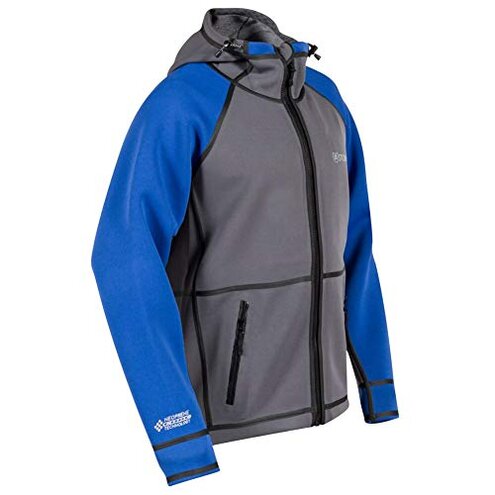
- Buyers needing consistent fit: Avoid if you require predictable sizing without returns, because sizes vary commonly.
- Frequent wet-users: Avoid if you rely on long, multi-day exposure without maintenance; waterproofing may degrade.
- Active anglers: Avoid if full-range arm mobility for casting is essential, since neoprene bulk reduces reach.
Who this is actually good for
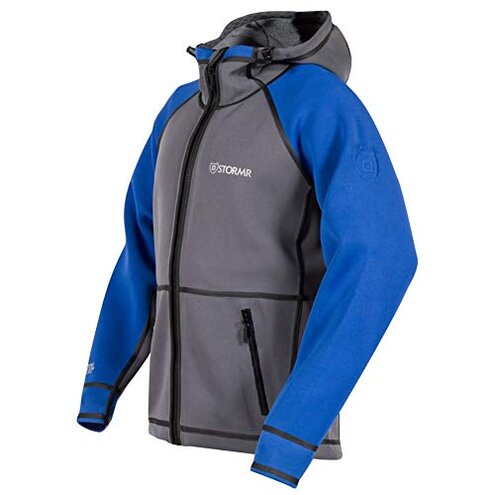
- Cold short-trip anglers: Good if you prioritize initial warmth on brief outings and can accept some bulk.
- Those who do repairs: Good for buyers willing to perform seam/tape repairs or re-seal over time.
- Occasional users: Good for weekend use where waterproofing degradation over months is less critical.
Expectation vs reality
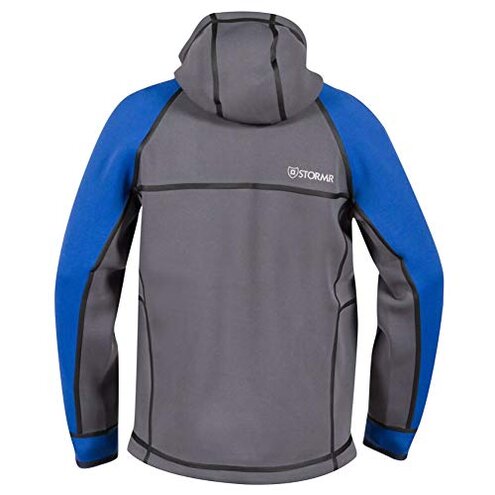
- Expectation (reasonable): A foul-weather jacket should keep you dry for many outings without special upkeep.
- Reality: This jacket often needs re-sealing or repairs after repeated wet use, which exceeds normal upkeep for mid-range pieces.
- Expectation: Sizing will match listed options for easy online ordering.
- Reality: Sizing is inconsistent enough to cause returns or the need to reorder, which is more friction than usual.
Safer alternatives
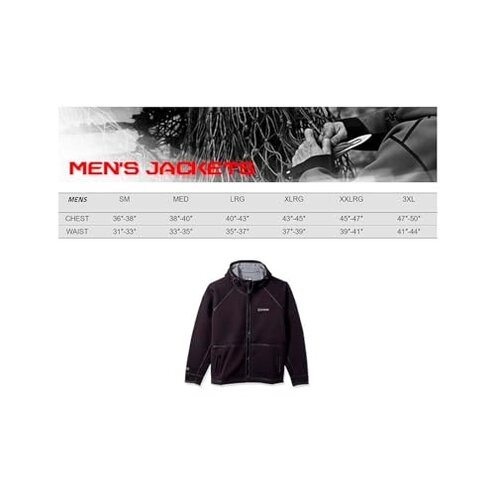
- Pick predictable sizing: Choose brands with detailed size charts and customer-fit photos to avoid the STORMR sizing risk.
- Check seam construction: Prefer sewn-and-taped seams rather than glued joins to reduce early durability failures.
- Prioritize articulation: Look for jackets that advertise articulated shoulders or gussets for long casting sessions.
- Warranty and support: Favor sellers with clear warranty or repair options to reduce long-term regret from seam or zipper issues.
The bottom line
Main regret: The most common trigger is unpredictable fit combined with early seam wear, which defeats the jacket's foul-weather promise.
Why worse than normal: These failures require more maintenance or returns than expected for a mid-range fishing jacket.
Verdict: Avoid this jacket if you need reliable fit, long-lasting waterproofing, or unrestricted mobility on long trips.
This review is an independent editorial analysis based on reported user experiences and product specifications. NegReview.com does not sell products.