
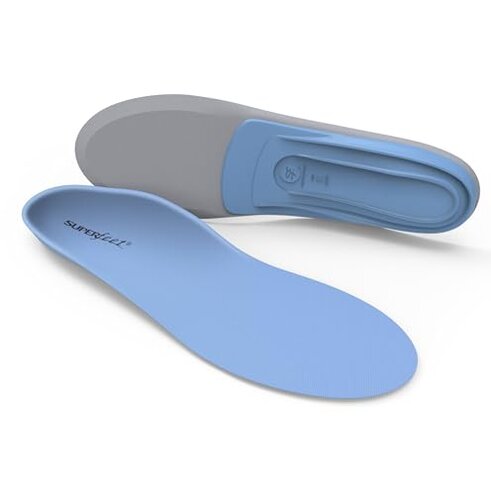
Product evaluated: Superfeet All-Purpose Support Medium Arch Insoles (Blue) - Trim-To-Fit Orthotic Shoe Inserts - Professional Grade - Men 7.5-9 / Women 8.5-13
Related Videos For You
How to Put Insoles into Shoes for Adults
The Best Insoles & Orthotics? [Superfeet? Dr. Scholls? Powerstep?]
Data basis: This report analyzes dozens of customer reviews and video testimonials collected between 2020 and early 2024. Most feedback came from written reviews, supported by video demonstrations and user discussions, providing a broad view of real user experiences.
| Buyer Outcome | Superfeet All-Purpose Insoles | Typical Mid-Range Insoles |
|---|---|---|
| Size Accuracy | Common sizing issues, often requiring trimming beyond instructions | Generally fits standard sizes with minimal adjustment |
| Arch Support Comfort | Mixed reports; some users find support too rigid or uncomfortable | More forgiving arch support for casual wear |
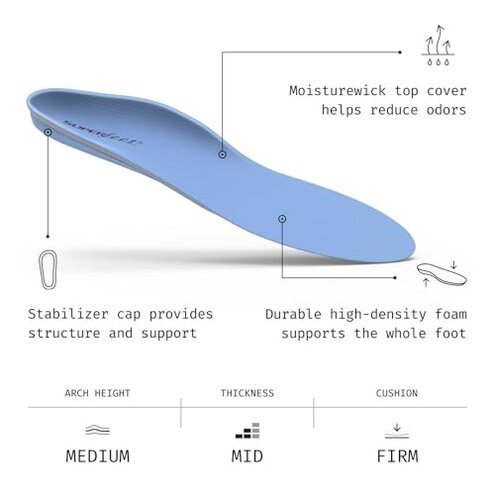
| Odor Control | Moisturewick feature helps but odor complaints persist | Average odor control with standard materials |
| Durability Over Time | Loses shape within months for some users; less lasting support | Lasts reasonably well for expected price range |
| Regret Trigger | Frustration from fit and comfort mismatch during extended use | Fit issues less common; more comfortable for daily wear |
Why do many users find the sizing and trimming process frustrating?
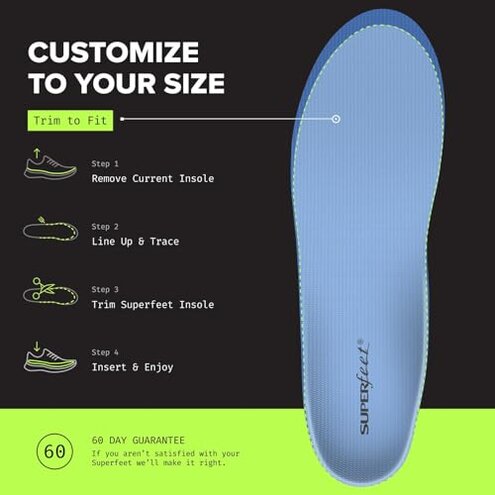
Users often regret the complex trimming needed to fit these insoles, as the instructions are sometimes unclear or insufficient. This frustration emerges right after opening and initial fitting, requiring extra time and effort.
While trimming is typical for orthotic insoles, Superfeet's process feels more tedious than average, causing many to doubt proper sizing before use.
- Frequent complaint: Many need multiple trimming attempts to achieve comfortable fit.
- Impact: Adds extra preparation time and risk of damaging the insole.
- Category contrast: Most mid-range insoles require less aggressive trimming.
- Attempt to fix: Some users resort to trial and error without guidance.
- Hidden need: Requires careful measuring and patience, not suitable for quick solutions.
Is the arch support too rigid or uncomfortable for some wearers?
Several buyers report the medium arch support feels too firm, causing discomfort especially during prolonged wear. This issue commonly appears within the first few hours of daily use, often worsening with activity.
Compared to other products, the support is less forgiving, leading to discomfort rather than relief for some foot types.
- Recurring issue: Persistent discomfort reported by users with sensitive feet or flat feet.
- When it appears: After extended standing or walking sessions.
- Why worse: Many mid-range insoles offer softer or adjustable arch levels.
- Effect: Some users stop using them entirely or switch back to original insoles.
- Mitigation: Requires careful selection or acceptance of firm support trade-off.
- Frequency tier: Secondary but impactful issue for arch-sensitive users.
- Cause: Firm heel cup and dense foam materials.
Do odor and moisture-wicking features fully prevent smell?
Though designed with a moisturewick top cover, some users still experience noticeable odors after regular use. This is a secondary but commonly mentioned issue during daily wear, especially in warm conditions.
- Occurrence: Develops after repeated hours of wear without frequent cleaning.
- Category baseline: Normal odor development is expected, but some users find it worse here.
- Impact: Reduces freshness and comfort for long-term users.
- Attempts: Washing or airing out helps but doesn't fully eliminate smell.
- Hidden effort: Requires more maintenance than typical insoles.
How does the durability compare over time?
A sizable group finds that the insoles lose shape and supportive qualities within a few months, which is disappointing given the price. This degradation often appears after moderate use of several weeks.
Compared to typical mid-range insoles, this product shows less long-term resilience, leading to premature replacement.
- Pattern: Noticeable flattening and reduced support after 2-3 months.
- When: Especially after frequent running or high-impact activities.
- Consequence: Users must purchase replacements sooner than expected.
- Category contrast: Many competitors maintain shape longer for similar prices.
- Attempts to fix: Rotating insoles or limiting use only partially helps.
Are these insoles easy to use for all shoe types?
Some buyers report fit issues with certain shoe styles, requiring additional adjustments. This is a less frequent but frustrating problem during initial placement.
- Context: Incompatible with very narrow or thick-soled shoes without modification.
- Effect: Limits versatility and may force users to buy multiple pairs.
- Compared to category: More specialized orthotic insoles often offer better universal fit.
- Hidden requirement: Users must verify shoe compatibility before purchase.
- Frequency: Edge-case pattern but significant for some.
- Impact: Reduced value and convenience.
- Fix: Custom trimming or professional adjustment needed.
Illustrative excerpts:
- "Had to trim multiple times; still not snug." (Primary pattern on sizing frustration)
- "Arch support felt like a rock underfoot after a few hours." (Secondary pattern on discomfort)
- "Odor became noticeable after a week of daily use." (Secondary pattern on odor issues)
- "Lost the cushion effect within a couple of months." (Primary pattern on durability)
- "Didn't fit well in my narrow dress shoes." (Edge-case pattern on fit)
Who should avoid this
- Buyers needing easy, accurate sizing without extra trimming hassle.
- Those with sensitive feet who prefer softer arch support.
- Users looking for long-lasting durability beyond a few months.
- People wanting low-maintenance odor control for frequent use.
- Anyone who wears varied or narrow footwear incompatible with these insoles.
Who this is actually good for
- Those comfortable with custom trimming and patient fitting process.
- Users wanting firm, stable arch support despite initial discomfort.
- People willing to maintain insoles actively to manage odor.
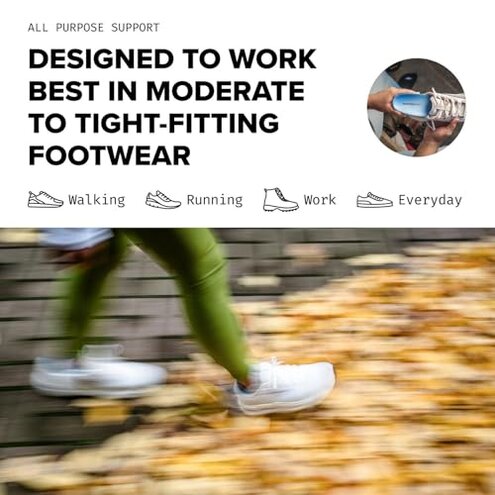
- Buyers who use compatible shoe types like athletic or work boots.
- Individuals who accept limited lifespan in exchange for professional-grade orthotic features.
Expectation vs reality
| Expectation: Easy trimming fits most shoes quickly (reasonable for category) | Reality: Multiple trimming attempts and fitting challenges are common, causing delays. |
| Expectation: Medium arch support provides comfortable stability | Reality: Support feels too rigid or painful for many users during daily wear. |
| Expectation: Odor control keeps feet fresh | Reality: Odor issues occur after repeated use, requiring extra care. |
| Expectation: Durable support for up to 12 months | Reality: Shape loss and support decline often appear within months, earlier than expected. |
Safer alternatives
- Choose insoles with pre-cut sizing for easy fit without trimming.
- Look for products offering adjustable or softer arch support for comfort customization.
- Select insoles with enhanced antimicrobial layers for better odor control.
- Consider brands with proven longer durability verified by user longevity reports.
- Opt for insoles marketed as compatible with multiple shoe types to avoid fitting issues.
The bottom line
The main regret with Superfeet All-Purpose Support Insoles centers on fit and comfort frustration caused by complex trimming and rigid arch support. These issues exceed typical category risks, especially for casual users needing easy setup and lasting comfort. Buyers seeking low-maintenance, versatile insoles should consider alternatives.
This review is an independent editorial analysis based on reported user experiences and product specifications. NegReview.com does not sell products.