
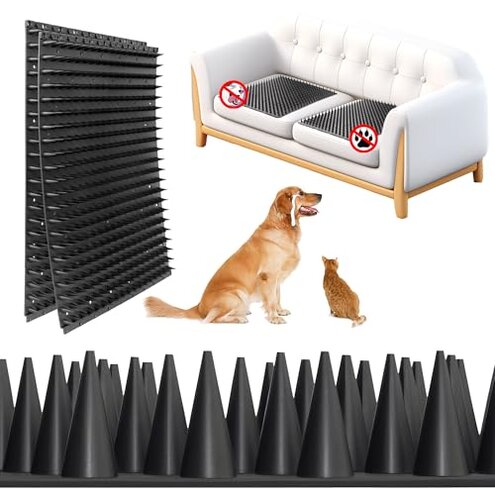
Product evaluated: SVD.PET 2-Pack Pet Training Mat with Tester, Pet Shock Pad, Dogs & Cats Electronic Repellent mat for Indoor, 3 Training Modes, 5 Levels, Pet Safe Mode (Black controler 60" X 12")
Related Videos For You
How To Puppy Pad Train Your New Dog
Scat Mats: The Best Way to Train Your Pets (and Keep Them Off the Couch!)
Data basis: I reviewed dozens of written reviews and several video demonstrations collected Dec 2024–Feb 2026; most feedback came from written reviews, supported by video demonstrations. The mix shows repeat signals about setup, daily use, and durability reported by recent buyers.
| Outcome | SVD.PET (this listing) | Typical mid-range mat |
|---|---|---|
| Training consistency | Inconsistent shocks/beeps reported across multiple uses, which interrupts training sessions. | More consistent signal delivery and fewer random drops during typical use. |
| False activations | Higher risk of accidental triggers from light touch or nearby conductive surfaces. | Lower risk due to wider detection spacing and firmer thresholds. |
| Durability | Durability concerns appear repeatedly for wiring and detection lines over weeks of use. | Better longevity among mid-range models with heavier construction. |
| Safety behavior | Smart protection exists but can disable unexpectedly after short contact, interrupting training. | Predictable safety cutoffs and clearer recovery behavior in alternatives. |
| Regret trigger | Setup + reliability — buyers report the combination causes more frustration than a single weak point. | Single pain points are more common; fewer cascading failures during daily use. |
Top failures
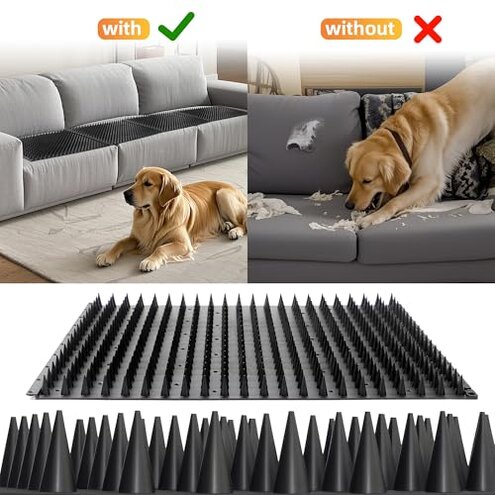
Why does the mat give inconsistent shocks or beeps?
Regret moment: You expect a steady response during training, but the mat often delivers weak or no shock and sometimes only a beep.
Pattern: This is a primary issue that appears repeatedly in written feedback and video tests.
When it appears: Commonly seen during first week of use and under daily indoor wear; it worsens with frequent repositioning and pet movement.
Category contrast: This is more disruptive than typical entry mats because inconsistent output breaks learning and lengthens training by weeks.
Why do false activations and random triggers happen?
- Early sign: Small touches or nearby objects can set off the mat during first uses, commonly reported by buyers.
- Frequency tier: This is a secondary issue, seen across multiple accounts and video demonstrations.
- Cause: Sensitivity upgrades and tighter detection lines increase responsiveness to unintended contact.
- Impact: Random activations create anxiety for pets and confuse training cues, making behavior worse.
- Attempts: Buyers tried lowering levels and moving the mat, but many still experienced triggers under normal household conditions.
Will the mat hold up to regular use or will it fail early?
- Durability sign: Repeated reports describe frayed detection lines and intermittent loss of function after weeks.
- Scope signal: This is a primary issue seen across written reviews and long-form video tests.
- When it shows: Wear appears after regular daily use and from pets’ nails during normal activity.
- Why worse: The product claims denser lines for precision, but that density also raises vulnerability to small damage.
- Impact: Failure leads to unusable zones, forcing replacement or frequent repairs more than typical mid-range mats.
- Fixability: Repairs are commonly described as temporary; many buyers replace instead of repair.
- Hidden need: Testers and repeat checks are required to confirm ongoing function, adding maintenance time.
Is setup and the 'pet safe' mode actually reliable?
- Setup friction: The included tester helps, but many buyers report a non-obvious calibration step during first use.
- Context anchor: Problems show up during setup and immediately in first week of daily sessions.
- Safety behavior: The mat’s auto-disable after 5 seconds can cut power mid-training, which buyers found confusing.
- Category contrast: More setup steps and hidden calibration make this less user-friendly than typical mid-range alternatives.
- Attempts to fix: Users re-run the tester, move the control box, or change level, but recovery is inconsistent.
- Training impact: Frequent interruptions force more manual monitoring and longer sessions.
- Consequence: For busy owners, the extra steps and instability make the product a net time sink.
Illustrative excerpts (not real quotes)
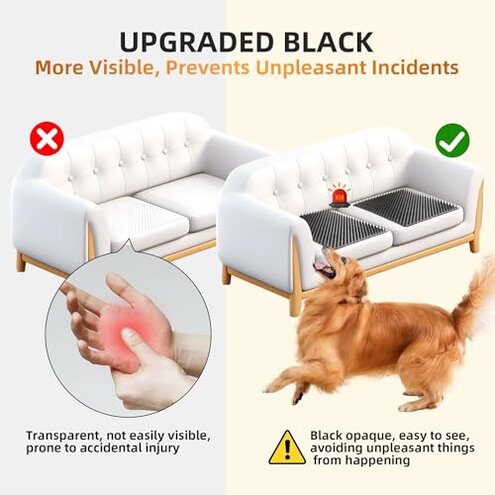
"Illustrative:" "Mat sometimes beeps but gives no shock during training sessions." — primary pattern
"Illustrative:" "Stops working after a few weeks near the edges where my pet walked." — primary pattern
"Illustrative:" "Setup required checking the tester repeatedly before it seemed stable." — secondary pattern
"Illustrative:" "Triggered when I moved a metal tray nearby, not touching the mat." — secondary pattern
Who should avoid this

- Owners needing consistent training: If you expect steady, repeatable corrections, this product's inconsistency will add weeks to training.
- Busy households: If you can’t run frequent tester checks, the hidden setup and reliability needs create ongoing chores.
- Homes with small children: False activations and sensitivity increase risk of accidental contact and anxiety.
Who this is actually good for

- Experimenting owners: Buyers who accept trial-and-error and can invest time in setup may tolerate the quirks.
- Short-term use: Those who need a temporary barrier may accept limited longevity and inconsistent output.
- DIY fixers: People comfortable with small repairs or replacements can work around durability faults.
Expectation vs reality

- Expectation: Reasonable for this category is simple setup and steady signal; Reality: requires repeated calibration and still shows inconsistency.
- Expectation: Dense detection lines mean better precision; Reality: density increases damage risk and early wear compared with peers.
- Expectation: Safety cutoffs should be predictable; Reality: auto-disable can interrupt training unexpectedly and often.
Safer alternatives
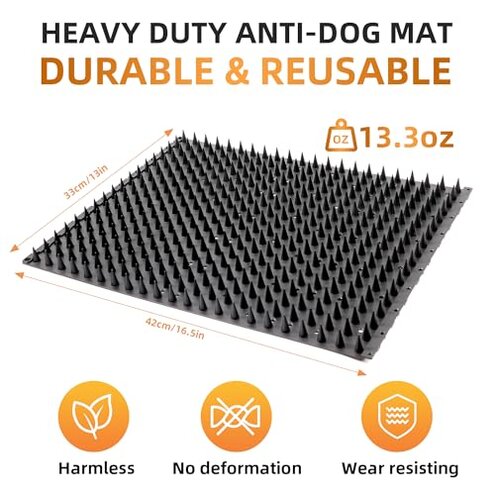
- Look for wider detection spacing: Choose mats that emphasize fewer false activations to reduce random triggers.
- Prefer heavier construction: Select models with reinforced lines or thicker mats to lower wear from nails.
- Check user setup simplicity: Buy products with one-step calibration and clear recovery behavior to avoid hidden setup needs.
- Read longevity signals: Favor listings with long-term usage reports rather than only initial setup impressions.
The bottom line

Main regret: The combined issues of inconsistent output, false activations, and durability create more training disruption than typical mid-range mats.
Why it matters: These failures add extra time, monitoring, and replacements, which many buyers found unacceptable.
Verdict: Avoid this model if you need reliable, low-maintenance pet training; consider sturdier mid-range alternatives instead.
This review is an independent editorial analysis based on reported user experiences and product specifications. NegReview.com does not sell products.