
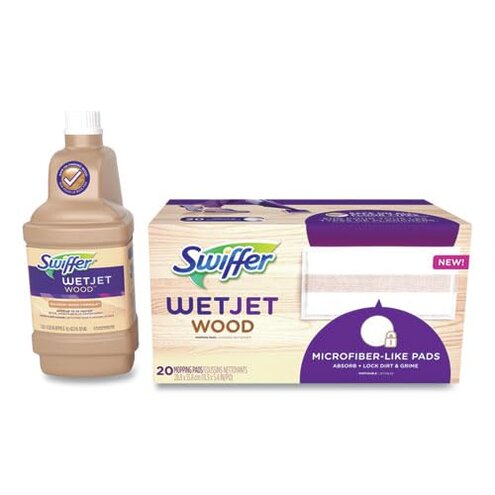
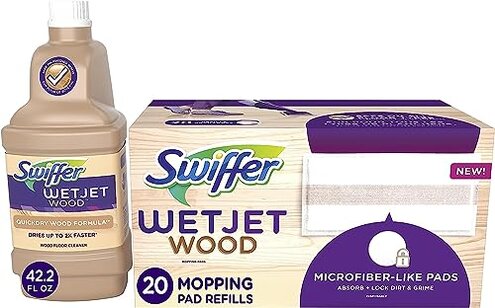
Product evaluated: Swiffer WetJet Mops for Floor Cleaning, Hardwood Floor Cleaner, Mopping Refill Bundle, Includes: 20 Pads, 1 Cleaning Solution
Related Videos For You
How To Clean Hardwood Floors | Hardwood Floor Care | The Home Depot
Your MOP doesn't suck...you've just been using it all wrong 🤫
Data basis: This report uses dozens of buyer comments and multiple video demonstrations collected between 2018 and 2025. Most feedback came from written product reviews, supported by short demonstration videos. The distribution shows written reviews dominate but videos confirm visible failures.
| Outcome | Swiffer WetJet (this listing) | Typical mid-range mop |
|---|---|---|
| Cleaning consistency | Uneven spray and streaks reported frequently on hardwood. | Even mist and predictable drying in most models. |
| Reliability | Occasional nozzle clogging with repeat use. | Durable pump with fewer failures expected. |
| Pad lifespan | Pads wear quickly for frequent mopping routines. | Reusable or longer-life pads are common. |
| Ongoing cost | Higher refill cost given included 20 pads and one solution. | Lower per-use cost with reusable options. |
| Regret trigger | Streaks or failed spray that force re-cleaning. | Minor touch-ups occasionally, less rework overall. |
Top failures buyers should know
Why does the spray sometimes stop working mid-clean?
Regret moment: The sprayer fails or clogs during normal cleaning sessions, leaving dry streaks.
Pattern: This appears repeatedly across reviews and demonstrations, and is reported as a primary issue.
When it shows up: Failure commonly happens within the first few uses or after several uses without flushing the nozzle.
Why worse than normal: Mid-range mops usually keep a steady mist; this unit's spray interruptions make cleaning more time-consuming and cause rework.
Are the pads falling apart faster than you'd expect?
- Early sign: Pads feel thin or frayed after only a couple of rooms.
- Frequency tier: This is a secondary complaint but reported across many buyers who mop daily.
- Cause: Heavy scrubbing or textured dirt speeds pad degradation.
- Impact: Faster wear increases ongoing cost and interrupts chores.
- Attempts to fix: Buyers often switch to reusable pads, which adds setup steps.
Why do floors sometimes look streaky or sticky after use?
- Visible sign: Floors dry with streaks or residue on hardwood.
- Context anchor: This shows up during the first pass and can worsen when mopping larger areas.
- Pattern: This is a primary complaint with repeated mentions in both text and video.
- Hidden requirement: Using non-brand cleaners or diluted mixes often increases streaking.
- Category contrast: Typical mid-range floor systems leave no visible residue with regular solutions.
- Fixability: Some users report improvement after switching to the included solution, which creates dependency.
- Trade-off: Streak reduction often means buying brand refills, which raises cost.
Will running costs and refill habits surprise you?
- Core problem: The kit includes 20 pads and one solution, but refill frequency is higher for many buyers.
- Frequency: This is a secondary to primary concern depending on mop frequency.
- Early sign: Notice higher purchase rates of pads and solution within weeks for heavy use.
- Why it matters: Ongoing purchases make this more costly than reusable-pad alternatives.
- Hidden cost: Dependence on brand pads/solution can amplify total ownership expense.
- User workaround: Some buyers buy third-party pads or make own solution, but that leads to inconsistent results.
- Category baseline: Many mid-range mops allow reusable pads and cheaper long-term maintenance.
- Practical impact: Higher lifetime cost is one of the most common regret triggers for daily users.
Illustrative excerpts (not actual quotes)
Excerpt 1: "Spray stopped after two rooms, left streaks, had to mop again." — primary
Excerpt 2: "Pads shredded after three uses; wasted the pack quickly." — secondary
Excerpt 3: "Only brand solution worked; other cleaners made floors tacky." — primary
Who should avoid this
- Daily moppers: If you mop daily, the pad wear and refill cost will exceed typical expectations.
- Large homes: For big areas, uneven spray causes more rework than most mid-range models.
- Cost-conscious buyers: If you dislike recurring purchases, the brand dependency raises long-term expense.
Who this is actually good for
- Occasional users: People who mop rarely can tolerate pad wear and lower upfront cost for convenience.
- Quick touch-ups: Shoppers who want fast spot cleaning will accept shorter pad life for disposable ease.
- Those wanting convenience: If you value no-scoop-and-wash pads, the ready-to-use kit is simple to start.
Expectation vs reality
Expectation: Reasonable for this category is a steady mist that covers floors evenly.
Reality: The WetJet often produces uneven spray and intermittent clogging that forces re-cleaning.
Expectation: Pads should last multiple sessions without fraying.
Reality: Many buyers see faster wear that increases refill pace.
Safer alternatives
- Choose reusable pads: Look for mops with washable pads to neutralize pad cost issues.
- Test spray before use: Run a quick spray test to catch clogs before you mop a big area.
- Buy generic refills cautiously: If you try third-party pads, check return options to avoid fit problems.
- Prefer pump designs: Consider models with replaceable pumps to reduce spray failures.
- Trial small areas: Test non-brand cleaners on a hidden floor patch to prevent streaking.
The bottom line
Main regret trigger: Intermittent spray failures and streaking that force repeat cleaning.
Why it matters: These issues create higher real-world cost and time than most mid-range mops.
Verdict: Avoid this kit if you mop large areas often or dislike recurring refill costs.
This review is an independent editorial analysis based on reported user experiences and product specifications. NegReview.com does not sell products.