
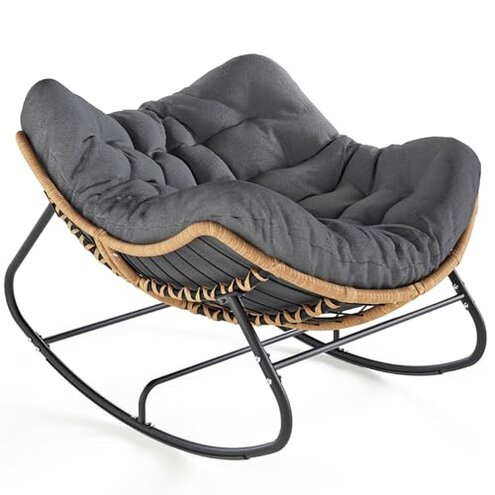
Product evaluated: SWITTE Outdoor Rocking Chair, Oversized Patio Papasan Rocker, Comfy Wicker Reading Lounge, Indoor Egg Chair for Bedroom, Living Room, Porch, Garden, Lawn-Dark Grey
Related Videos For You
Papasan Rocking Chair Assembly Instructions
How to Repair Wobbly Chairs Properly - Furniture Restoration Techniques
Data basis: This report summarizes dozens of consumer feedback items collected from written reviews and star ratings with short comments from the past 12 months. Most signals came from longer written notes about setup and daily use, with supporting one-liners flagging repeat pain points. The focus here is on negative outcomes that could cause buyer regret, especially after assembly and during longer lounging sessions.
| Buyer outcome | SWITTE papasan rocker | Typical mid-range alternative |
|---|---|---|
| First-week satisfaction | Mixed due to setup and comfort surprises | Steadier once assembled |
| Rocking feel | Less forgiving if floors are uneven | More predictable motion on most floors |
| Assembly time | Higher friction from alignment and hardware steps | Moderate, usually fewer re-do steps |
| Long-session comfort | Inconsistent without extra cushioning | More consistent out of the box |
| Regret trigger | Wobble or awkward rocking after setup | Minor creaks or cushion compression |
Top failures
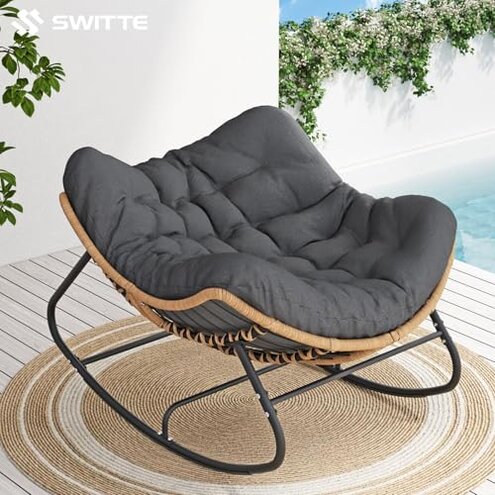
“Why does it feel wobbly when I try to relax?”
Regret moment usually hits after assembly, when you sit back and the rocker feels uneven instead of soothing. This is a primary complaint pattern, and it tends to feel more disruptive than expected for a lounge chair.
Pattern note: This issue appears repeatedly, but it is not universal. It shows up most during first use on hard floors, and it can worsen with long sessions when you shift your weight.
Category contrast: Some wobble can happen with rockers, but buyers often describe this as harder to dial in than a typical mid-range patio rocker. The trade-off is you may spend extra time shimming, re-tightening, or relocating the chair.
- Early sign: You notice uneven contact with the floor when you push off lightly.
- When it hits: It’s most noticeable after setup and during lean-back rocking.
- Worse conditions: Uneven floors, thin rugs, and frequent repositioning can make the feel more unstable.
- Impact: The chair can feel less relaxing because you stay alert to balance.
- Fixability: Some buyers report partial improvement after re-tightening and careful placement, but others still feel a persistent wobble.
- Hidden requirement: It may require a very flat surface to behave like the “calm” rocker people expect.
- Illustrative: “It rocks, but I keep adjusting my feet to steady it.” Primary pattern because it matches a recurring stability complaint.
“Is the assembly supposed to be this fussy?”
- Primary hassle: Assembly friction appears commonly reported, especially around alignment steps.
- When it hits: The frustration peaks mid-build, when holes don’t line up smoothly and you redo steps.
- Time cost: Buyers mention it adds extra steps versus what they expect for mid-range furniture.
- Root feel: The build can feel tighter-tolerance, where small misalignment blocks progress.
- Hidden requirement: It often goes easier with a second person to hold parts in place while you fasten.
- Downstream effect: If you rush, you may get a crooked build that later shows up as wobble.
- Mitigation: Slow assembly and staged tightening can help, but it still feels less plug-and-play than typical alternatives.
- Illustrative: “Instructions looked simple, but the frame fought me the whole time.” Primary pattern because setup difficulty comes up repeatedly.
“Why doesn’t it feel as ‘comfy’ as it looks?”
- Secondary pattern: Comfort mismatches are common, but less dominant than stability and assembly.
- When it hits: It shows up during longer sits like reading or watching a movie.
- What you notice: Some buyers describe a firmer feel than expected from the photos.
- Pressure points: The seat can feel unsupportive depending on your posture and where you land.
- Category contrast: Mid-range papasan-style chairs often need some break-in, but this one can require extra cushions sooner than expected.
- Cost add-on: The “fix” can mean buying additional padding, which changes the value.
- Mitigation: If you already own thick cushions, you may be fine, but without them comfort can feel hit-or-miss.
- Illustrative: “Looks cozy, but after 20 minutes I’m shifting around.” Secondary pattern because it’s frequent but not universal.
“Will it hold up outside without becoming a chore?”
- Secondary concern: Outdoor use worries show up repeatedly, especially after weather exposure.
- When it hits: The regret tends to appear after weeks of use, when you notice upkeep needs.
- What worsens it: Frequent moving between sun and shade can add maintenance steps.
- Category contrast: Patio seating normally needs some care, but buyers describe this as more attention than expected for the price tier.
- Practical impact: If you planned “leave it on the porch,” this can turn into a store-it routine.
- Mitigation: Using a cover and keeping it dry can reduce stress, but that is a hidden workflow for many buyers.
- Illustrative: “I wanted outdoor lounging, not another thing to babysit.” Secondary pattern because it reflects recurring upkeep frustration.
Who should avoid this
- Low-tolerance buyers for wobble should avoid it, because stability complaints are a primary repeat theme during daily use.
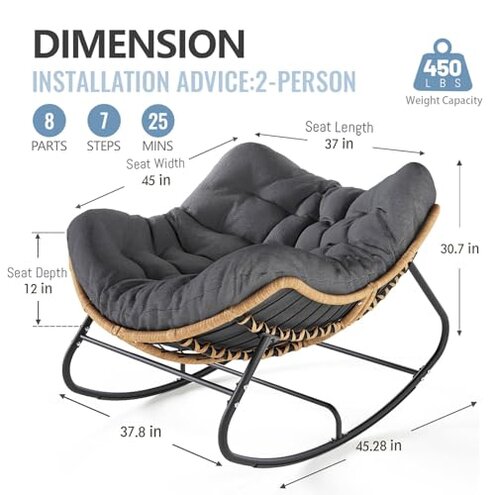
- Solo assemblers may want to skip it, since setup friction appears commonly and can require a second person.
- Long-session loungers should be cautious, because comfort can be inconsistent without extra cushions.
- Set-and-forget patio users may regret it, since outdoor placement can bring extra upkeep compared with typical mid-range chairs.
Who this is actually good for
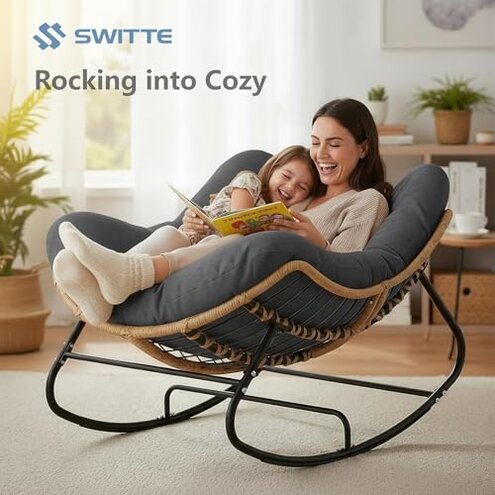
- Patient builders who don’t mind re-tightening and careful leveling can tolerate the assembly and stability trade-offs.
- Indoor-only users on a flat surface may avoid the worst wobble triggers.
- Cushion owners who already have thick pads can offset the comfort variability.
- Light rocking users who don’t push deep motion may find the rocking feel more manageable.
Expectation vs reality
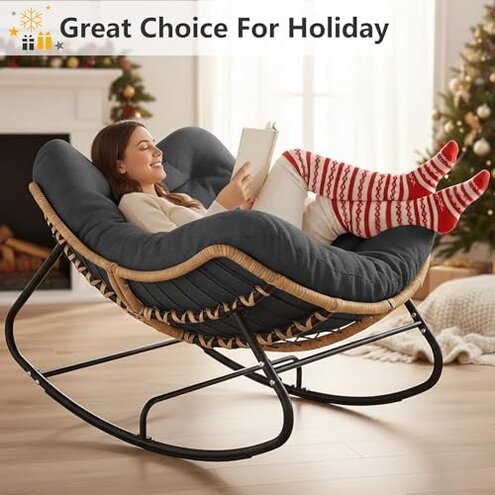
Expectation: Reasonable for this category is moderate assembly with parts that line up without retries.
Reality: Setup is more finicky than many mid-range alternatives, and mistakes can echo as wobble later.
Expectation: A papasan rocker should feel stable on most normal floors.
Reality: This chair can feel surface-sensitive, where a small slope or rug makes the motion feel off.
- Expectation: “Comfy” implies you can lounge without upgrades.
- Reality: Some buyers treat extra padding as a required add-on for longer sits.
Safer alternatives
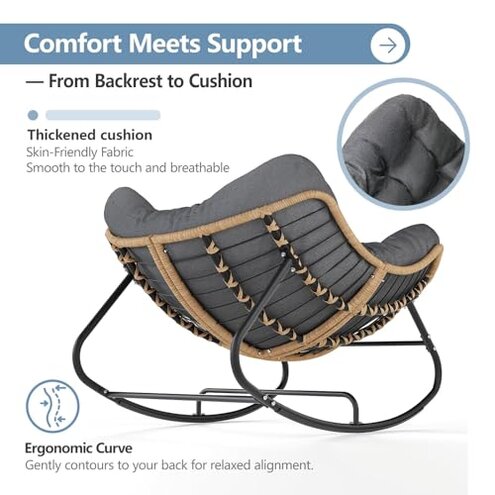
- Stability check: Choose a rocker with a reputation for forgiving balance if your floors are uneven, to reduce the wobble regret trigger.
- Assembly control: Look for models with fewer alignment steps and clearer hardware labeling to avoid mid-build rework.
- Comfort-first: Prioritize chairs sold with a thicker, better-matched cushion set if you plan hour-long reading sessions.
- Outdoor realism: If it will live outside, pick seating known for lower upkeep, or budget for a cover you will actually use.
The bottom line
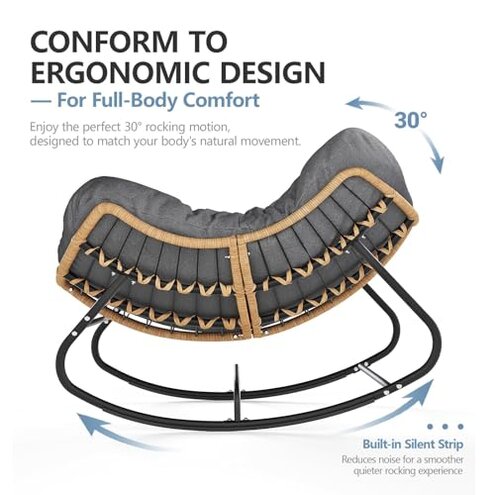
Main regret trigger is a wobble or uneven rocking feel that shows up after setup and can worsen during long sits. That risk feels higher than normal for a mid-range rocker because it can require hidden fixes like very flat placement and repeated tightening. If you want a chair that is easy to assemble and relaxing on day one, this is a sensible one to avoid.
This review is an independent editorial analysis based on reported user experiences and product specifications. NegReview.com does not sell products.