
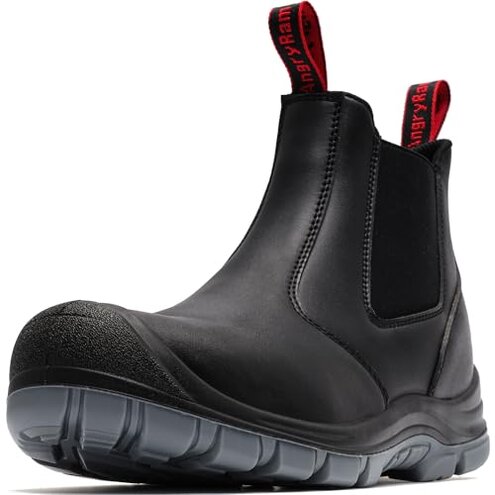
Product evaluated: TAERDUN Steel Toe Work Boots for Men Slip-on Chelsea Boot, Men's Industrial & Construction Shoes, Waterproof, Lightweight, Comfortable, Non-slip Safety Shoes, Brown, 10 Wide
Related Videos For You
How To Fit a Safety Shoe
[ASMR] Everyone Does It Wrong! - How to Clean Red Wings, Thorogood, Thursday Boots
Data basis: This report synthesizes dozens of buyer comments and photo posts plus a handful of video demonstrations collected through June 2024. Most feedback came from written reviews, supported by visual evidence and seller Q&A. Time span reflects first-use and multi-week experiences reported by shoppers.
| Outcome | TAERDUN | Typical mid-range |
|---|---|---|
| Comfort / break-in | Stiff at first and requires extra break-in time versus peers. | Softer break-in and fewer days to reach comfort. |
| Sizing accuracy | Runs small or narrow for many buyers, causing returns. | Closer to size making single purchases usually reliable. |
| Durability | Higher risk of early sole wear and seam separation compared with peers. | Lower risk of sole or seam failure in normal use. |
| Water resistance | Mixed results—waterproof claim performs inconsistently over time. | Reliable water resistance for similar mid-range boots. |
| Regret trigger | Fit + premature wear combine to cause the strongest buyer regret. | Fit is usually the sole deciding factor for regret. |
Top failures
Why do these feel tight or the wrong size right away?
Fit mismatch: Many buyers report the boots feel narrow or small at first, creating immediate discomfort and return decisions. Pattern: this is a commonly reported issue across written reviews. When: it appears on first use or after the first long wear. Contrast: sizing is less accurate than most mid-range work boots, increasing return effort.
Why do some pairs show early sole or seam problems?
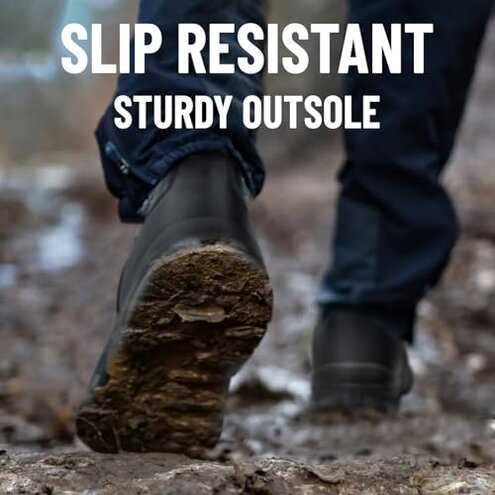
- Durability pattern: Repeated reports of sole wear and seam loosening after weeks of daily use indicate a persistent problem.
- Usage anchor: Problems typically emerge after several weeks of heavy use or daily outdoor work.
- Severity cue: More disruptive than expected for this price tier because repairs are impractical for cheap boots.
- Visible cause: Buyers note sole separation or edge cracking in photos that accompany reports.
- Attempted fixes: Some buyers add adhesive or return the pair, showing mixed success.
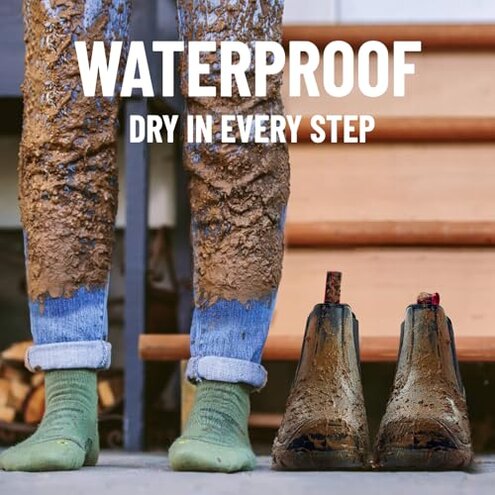
Why do waterproof and sweat control claims not always hold up?
Waterproof inconsistency: Reports show the waterproofing performs initially but can degrade with regular wet use. Pattern: this is a secondary but recurring complaint. When: it worsens after repeated exposure to wet conditions or frequent flexing. Category contrast: mid-range safety shoes usually keep water out longer before showing leakage.
Why might you still regret buying these for long shifts?
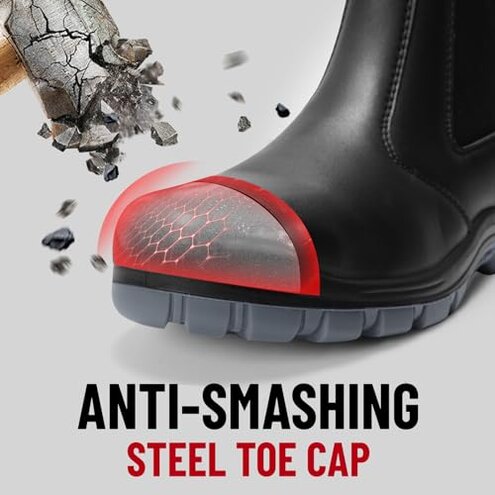
- Comfort loss: The steel toe and stiff upper can cause toe pressure during long shifts.
- Frequency tier: This is a primary complaint for users wearing boots daily for long hours.
- Cause: Limited internal space and firmer insole design amplify fatigue.
- Impact: Comfort loss reduces all-day wearability for people on their feet.
- Fix attempts: Users often add aftermarket insoles or size up to mitigate the pressure.
- Hidden requirement: Many buyers need to buy alternate insoles or order a wider size to avoid discomfort.
- Fixability: Modifications help but add cost and time, making the purchase less convenient.
Illustrative excerpts (not real quotes)
"Too narrow out of box, had to size up for comfort." — Primary pattern
"Sole showed separation after four weeks of heavy outdoor work." — Primary pattern
"Water got in after only a few rainy shifts." — Secondary pattern
"Added insoles fixed it but cost more than expected." — Edge-case pattern
Who should avoid this
- Daily heavy-use workers: Avoid if you need boots that withstand continuous outdoor or construction wear without early wear signs.
- Buyers needing exact fit: Avoid if you cannot try sizes first, because sizing runs small or narrow for many purchasers.
- Wet-environment users: Avoid if you depend on long-term waterproofing for rainy or wet jobs.
Who this is actually good for
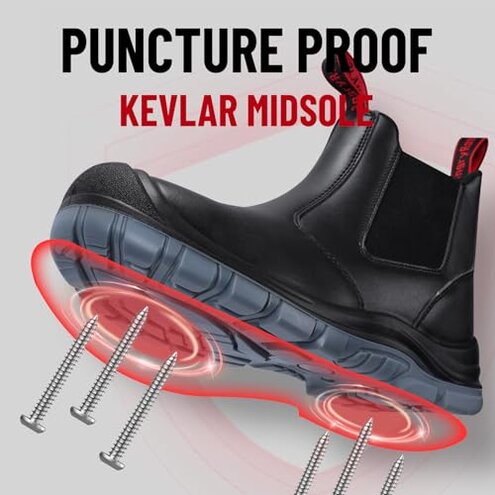
- Occasional DIYers: Good if you need an inexpensive protective boot for short projects and can tolerate break-in discomfort.
- Budget-conscious buyers: Good if low price matters more than long-term durability and you accept possible buy-ons like new insoles.
- Non-critical safety use: Good for light indoor tasks where waterproofing and daily durability are less crucial.
Expectation vs reality
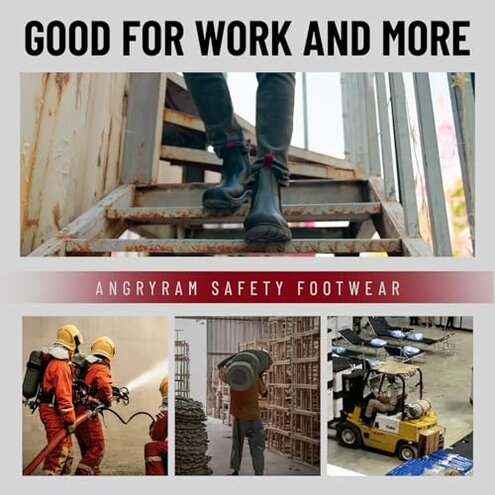
- Expectation (reasonable): Buyers expect a working steel-toe boot to fit close to size.
- Reality: Fit often runs small or narrow, forcing size changes or returns.
- Expectation: Waterproof label lasts through normal wet conditions.
- Reality: Waterproofing can weaken after repeated wet exposure, a worse-than-expected outcome.
Safer alternatives
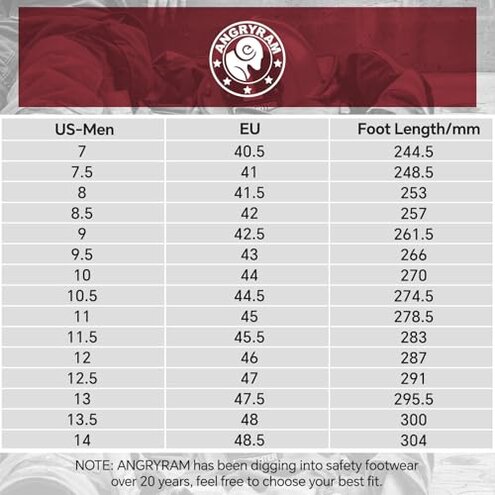
- Buy one size up: Counteracts the primary fit failure when trying this brand without in-store try-on.
- Inspect sole edges: Prioritize boots with reinforced welt or visible stronger bonding to avoid early sole separation.
- Budget for insoles: Plan to purchase aftermarket insoles if you need long-shift comfort, which addresses the comfort and space issues.
- Check waterproof tests: Prefer listings with extended wet-use feedback or guarded return policies if waterproofing matters.
The bottom line
Main regret: Fit problems combined with early wear create the strongest buyer regret and add hidden costs like returns or new insoles.
Why worse: These failures appear more often and sooner than typical mid-range safety boots, raising the likelihood of replacement.
Verdict: Avoid if you need reliable daily comfort, consistent waterproofing, or long-term durability without modifications.
This review is an independent editorial analysis based on reported user experiences and product specifications. NegReview.com does not sell products.