
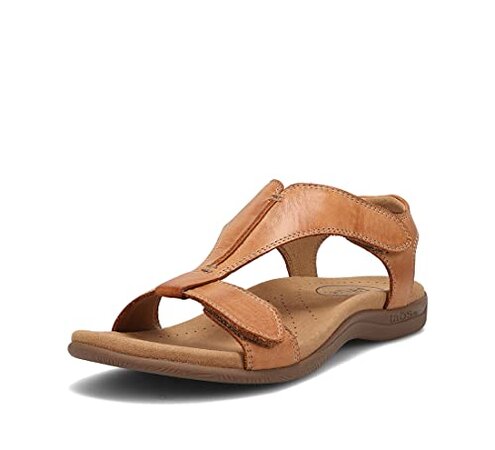
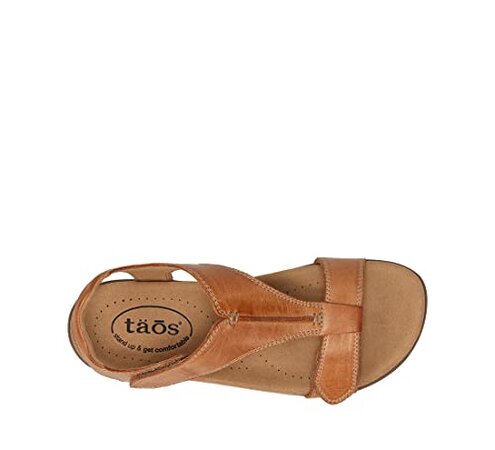
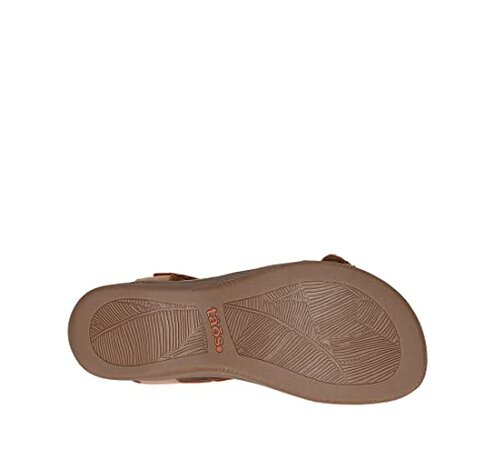
Product evaluated: Taos The Show Premium Leather Women's Sandal - Experience Everyday Style, Comfort, Arch Support, Cooling Gel Padding and an Adjustable Fit for Exceptional Walking Comfort Caramel 8 (M) US
Related Videos For You
Straps that dig in? Sandals that let your bunion hang out? We’ve been there, and we’ve had
5 Tips for Finding the Best Arch Support Sandal!
Data basis comes from dozens of aggregated shopper comments collected across written ratings and photo-backed feedback, plus a smaller slice of Q&A-style posts. Collection spans roughly the past 12–24 months, with most detail coming from longer written notes and fewer but useful fit-focused visuals. Signals were weighted toward repeatable wear-and-fit outcomes rather than one-off delivery or packaging complaints.
| Buyer outcome | Taos The Show | Typical mid-range sandal |
| First-day comfort | Mixed because fit and straps can feel picky | More predictable with less break-in sensitivity |
| Fit consistency | Higher risk of sizing feeling off even when ordered “usual” | Moderate risk with fewer surprise width/length issues |
| All-day walking | Polarizing because support can hit the foot wrong | More forgiving cushioning and footbed shapes |
| Adjustment effort | More fiddly with straps needing tuning to stop rubbing | Lower effort with simpler, set-and-forget fits |
| Regret trigger | Paying premium then still chasing comfort | Lower regret because expectations match price |
Why do they feel uncomfortable even though they have “support”?
Regret usually shows up on the first longer walk, when the “supportive” footbed starts to feel like a pressure point instead of help. Severity is more disruptive than expected at this price because discomfort can end a day out early.
Pattern is recurring but not universal, and it clusters around feet that do not match the footbed shape. Trade-off is that structured support can feel great for some, and oddly placed for others.
- When it hits: discomfort shows up during 30–60 minute wear, not just at try-on.
- Primary pattern: a persistent “arch feels too high” sensation appears repeatedly in fit-focused feedback.
- Worse conditions: longer errands and standing days make the pressure feel sharper.
- What you notice: tingling, hot spots, or a “lump underfoot” feeling is commonly described.
- Category contrast: mid-range comfort sandals are usually more forgiving, even if they feel less “supportive.”
- Mitigation: some buyers report improvement after a break-in period, but others do not.
- Fixability: if the arch placement is wrong for your foot, adjustment options are limited.
Illustrative: “The arch feels like it’s in the wrong place for me.” Pattern: primary fit-and-footbed complaint.
Why is the sizing so hard to get right?
Regret tends to happen after you wear them indoors and realize your “normal” size still feels short or oddly placed. Severity is high because exchanges add extra steps and time, and some buyers end up abandoning the style.
- Recurring signal: sizing confusion shows up repeatedly across written feedback and fit notes.
- Early sign: toes feel near the edge, or the foot sits not centered on the footbed.
- Hidden requirement: you may need to measure your foot and compare to brand guidance instead of ordering your usual.
- Worse conditions: foot swelling later in the day makes “almost fits” turn into toe crowding.
- Category contrast: most mid-range sandals tolerate small size errors better because the footbed shape is less rigid.
- Impact: returns are more likely if you expected a quick, true-to-size buy-and-go experience.
- Workaround: ordering two sizes can reduce risk, but it adds hassle and upfront cost.
- Fixability: strap adjustment helps width feel, but it cannot fully fix a length mismatch.
Illustrative: “I ordered my usual size and my heel still sat wrong.” Pattern: primary sizing/positioning complaint.
Why do the straps still rub even with adjustability?
Regret often arrives after the first real outing, when a strap that felt fine at home starts to chafe. Severity is a secondary but persistent issue because it can limit wear to short trips.
- When it appears: rubbing shows up during walking, especially on warm days.
- Secondary pattern: reports of hot spots and strap bite appear less often than sizing issues, but remain persistent.
- Worse conditions: long distances and sweaty feet increase friction and make irritation faster.
- What causes it: strap edges and foot movement can create repeated contact at the same spot.
- What buyers try: loosening or tightening helps sometimes, but can create a new rub elsewhere.
- Category contrast: many mid-range sandals have softer, more flexible strap feel, even if they look less premium.
Illustrative: “I kept adjusting straps, but one spot kept blistering.” Pattern: secondary friction complaint.
Why do they feel heavy or stiff on longer days?
Regret usually hits after several hours, when you notice foot fatigue and wish the sandal felt lighter. Severity is an edge-case issue, but it is more frustrating when it happens because it shows up only after you commit to wearing them out.
- When it shows: stiffness is noticed after extended wear, not in a quick try-on.
- Edge-case pattern: complaints are less frequent than fit issues, but they appear across multiple wear contexts.
- Worse conditions: travel days, lots of steps, and standing amplify the sense of fatigue.
- What you notice: the sandal can feel less “easy” and more like you are wearing a structured shoe.
- Category contrast: typical casual sandals prioritize easy flex, so this feels more demanding than expected.
Illustrative: “Cute, but after hours my feet felt tired and done.” Pattern: edge-case fatigue complaint.
Who should avoid this
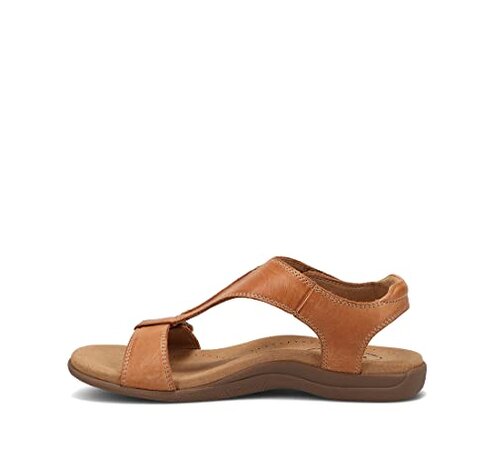
- High-arch sensitive shoppers who often feel “arch support” as a pain point during long walks.
- Between sizes buyers who need a predictable “true-to-size” fit without trial orders.
- Blister-prone walkers who can’t tolerate strap chafing on warm or high-step days.
- One-sandal travelers who need immediate comfort without a break-in learning curve.
Who this is actually good for
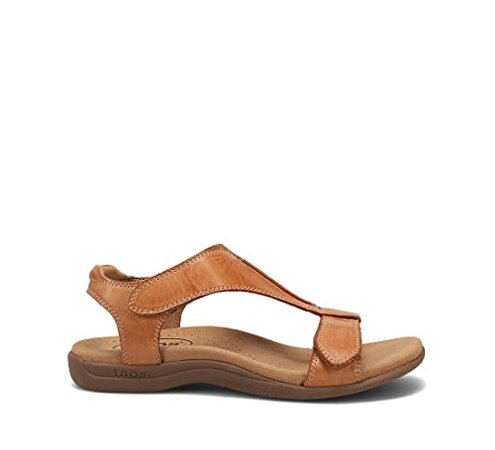
- Footbed-lovers who already know they like a structured arch shape and can handle a picky fit.
- At-home testers willing to do short indoor wears and strap tuning before committing outside.
- Style-first buyers who want this look and accept possible exchanges as the cost of getting the right fit.
- Short-outing wearers who mainly use sandals for brief errands, where rubbing risk is lower.
Expectation vs reality
Expectation: for this category, it is reasonable to expect minor break-in but stable comfort after a few wears.
Reality: feedback shows comfort can stay polarizing, because footbed shape may never match your foot.
| What you expect | What can happen |
| Adjustable straps mean easy dialing-in. | Fiddly adjustments can still leave one rub spot. |
| Premium price means predictable sizing. | Inconsistent fit can require exchanges. |
| Supportive footbed means longer walks. | Pressure placement can shorten wear time. |
Safer alternatives
- Prioritize retailers with easy exchanges to neutralize the sizing risk seen repeatedly here.
- Choose a sandal with a more forgiving footbed shape if you have a history of arch discomfort.
- Look for softer strap designs to reduce chafing during warm, long-step days.
- Filter for “true-to-size” consistency in a mid-range option if you want a low-hassle purchase.
- Test at home with socks or short wears to spot hot spots before you miss return windows.
The bottom line
Main regret is paying a premium and still getting a picky fit that can create pressure points on real walks. Risk feels higher than a typical mid-range sandal because the structured footbed and sizing sensitivity are less forgiving. Verdict: avoid if you need dependable comfort out of the box and don’t want exchange hassle.
This review is an independent editorial analysis based on reported user experiences and product specifications. NegReview.com does not sell products.