
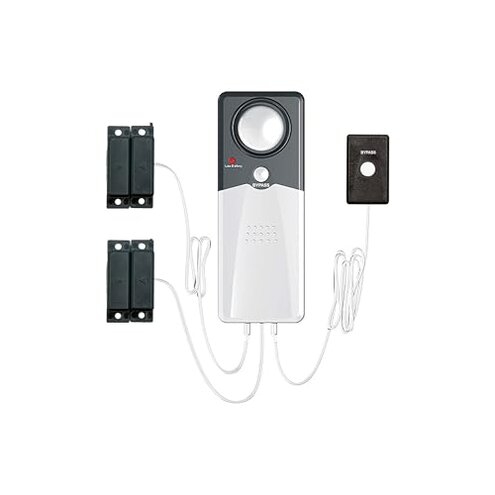
Product evaluated: Techko S189 Ultra Slim Safe Pool Alarm for Kids, ETL Listed UL 2017 Compliant, Indoor/Outdor Weather Resistant, 110db Loud Alarm with 2X Bypass Buttons, Gray, 1Count
Related Videos For You
Pool Alarm | Pool School
How to Buy The BEST POOL ALARM
Data basis: This report is based on dozens of buyer reviews and several video demonstrations collected through Jan 2026. Most feedback came from written reviews, supported by demonstration clips and Q&A posts.
| Outcome | Techko S189 | Typical mid-range alarm |
|---|---|---|
| False alarms | Higher frequency of nuisance triggers reported during normal activity. | Lower nuisance rate; designed to avoid routine vibrations. |
| Installation fuss | More time and trial mounting to avoid misfires. | Simpler mounting with clearer placement tolerance. |
| Weather reliability | Mixed reports of weather resistance over months. | Consistent performance for similar-priced models. |
| Battery life | Shorter perceived run-time and confusing indicator behavior. | Standard AAA longevity with clearer low-battery alerts. |
| Regret trigger | Nuisance alarms that interrupt daily use and reduce trust. | False alarms less common, preserving confidence. |
Top failures
Why does the alarm trigger for no reason?
Primary frustration: Buyers commonly report frequent false alarms during normal pool-area activity.
Usage anchor: False alarms appear after setup and during routine events like wind, door movement, or nearby foot traffic.
Category contrast: This is more disruptive than typical mid-range alarms because it reduces trust and requires repeated resets.
Is setup and placement frustrating?
- Early sign: Alarm often needs multiple reposition attempts to stop misfires.
- Frequency tier: Recurring — a secondary but common complaint among buyers.
- Cause: Sensitivity plus slim mounting makes exact placement critical to avoid triggers.
- Impact: Adds extra setup time and trial-and-error for safe coverage.
- Attempted fixes: Buyers reposition, add padding, or reorient sensors to reduce false alerts.
Why are batteries and indicators confusing?
- Pattern: Persistent reports of the unit showing a constant red light or unexpected low-battery behavior.
- When it shows up: Usually noticed in the first weeks of use or after battery replacement.
- Category contrast: Worse than expected, because mid-range alarms typically give clearer low-battery cues.
- Hidden requirement: Users must check battery contacts and replace with fresh AAA cells more often than they expected.
- Impact: Confusing indicators lead to distrust and extra maintenance steps.
- Fixability: Sometimes solved by new batteries or reseating, but not universally.
Will the screen-door sensor meet my sliding-door needs?
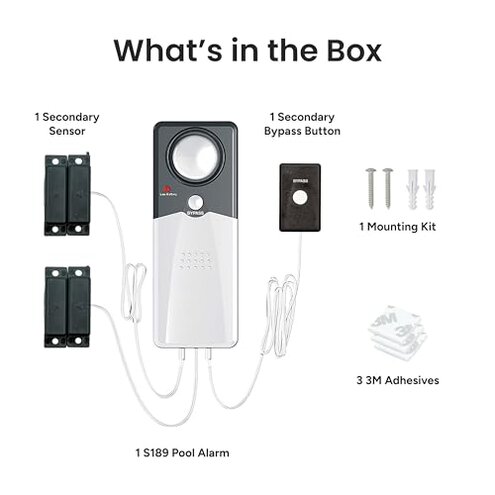
Buyer regret: The secondary sensor design forces a trade-off for sliding doors and is not a separate alarm.
Usage anchor: Problem appears when homeowners expect to use the screen sensor as an independent monitor and then discover it cannot act alone.
Category contrast: This is an important limitation compared to some competitors that offer independent multi-sensor setups.
How weatherproof and durable is this unit?
- Pattern: Less frequent but persistent durability concerns after months of outdoor exposure.
- When it worsens: Problems tend to show after repeated wet/dry cycles or long summer use.
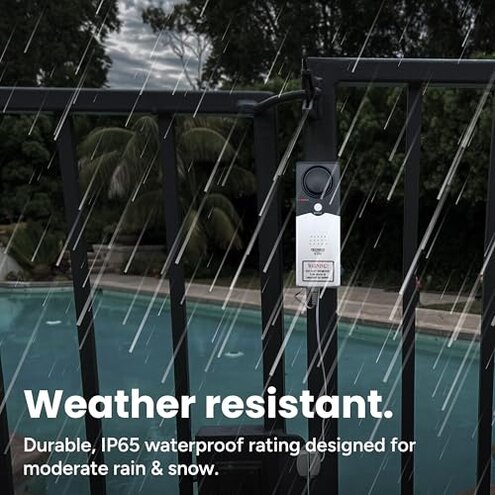
- Cause: IP65 rating is useful but buyers report inconsistent long-term performance in harsh conditions.
- Impact: Potentially more frequent replacements or repositioning under covered areas.
- Attempted fixes: Users add extra sealing or move units indoors during storms.
- Hidden requirement: Expect to protect the unit from direct rain and prolonged sun to keep reliability high.
- Fixability: Mitigation reduces failures but adds maintenance compared with typical models.
Illustrative excerpts
"Alarm blares in wind, not when a child approaches." — reflects a primary pattern of false triggers.
"Red light stayed on though new batteries were used." — reflects a secondary battery/indicator pattern.
"Screen sensor won't work as a separate alarm for my patio door." — reflects an edge-case limitation.
Who should avoid this
- High-reliability buyers: Avoid if you need an alarm that never false-trips during regular activity.
- Low-maintenance households: Avoid if you cannot tolerate extra battery checks and frequent repositioning.
- Multi-door setups: Avoid if you expect the screen sensor to act as an independent alarm for several doors.
Who this is actually good for
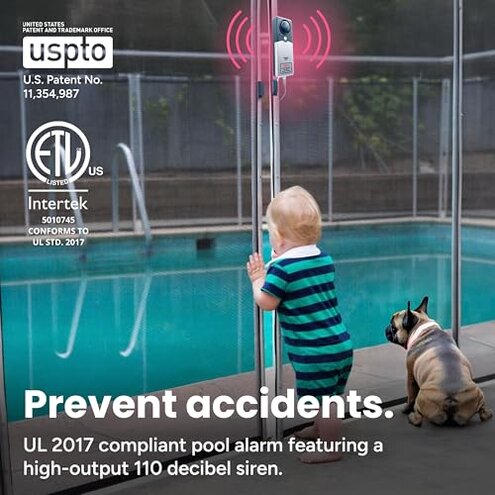
- Budget-conscious users: Good if you accept occasional false alarms in exchange for a lower price point.
- Hands-on installers: Good if you are willing to test positions and tweak mounting to reduce misfires.
- Seasonal use: Good if you use it only during calm weather seasons and can store it during storms.
Expectation vs reality
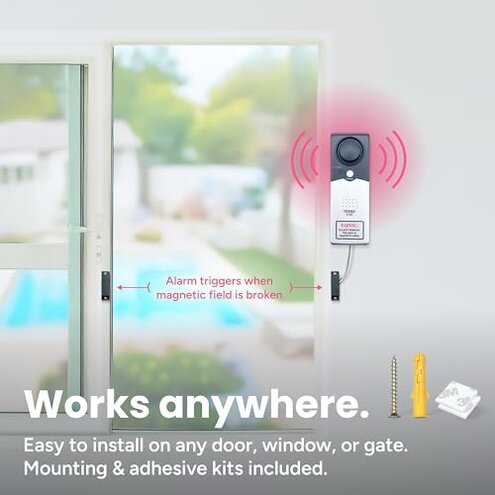
Expectation: Reasonable for this category to expect simple setup and clear low-battery warnings.
Reality: The S189 often needs extra adjustment and gives confusing battery indicators, increasing upkeep.
Expectation: Buyers think a secondary screen sensor will give flexible placement options.
Reality: The screen sensor is limited and cannot act as a separate alarm in most setups.
Safer alternatives
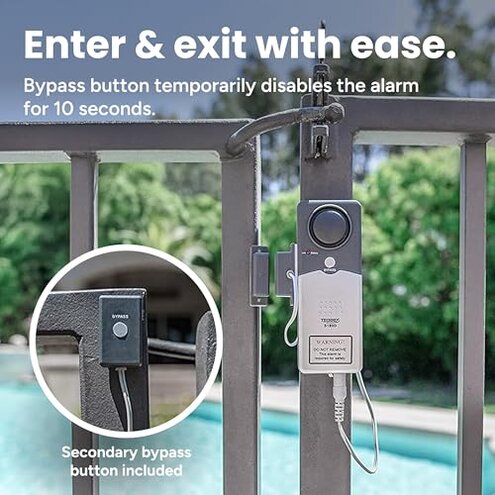
- Pick alarms with adjustable sensitivity settings to reduce false triggers in windy or busy areas.
- Choose models that explicitly state independent multi-sensor capability if you need multiple-door coverage.
- Look for units with clearer battery indicators or rechargeable options to avoid confusing LEDs.
- Buy protective housings or select higher-rated weatherproof models if you want long outdoor durability.
The bottom line
Main regret: Nuisance false alarms and finicky setup are the most common triggers of buyer disappointment.
Why worse: These problems are more disruptive than typical mid-range alarms because they reduce trust and add maintenance time.
Verdict: Avoid this unit if you need low-maintenance, reliable pool protection; consider alternatives with adjustable sensitivity and clearer battery signals.
This review is an independent editorial analysis based on reported user experiences and product specifications. NegReview.com does not sell products.