
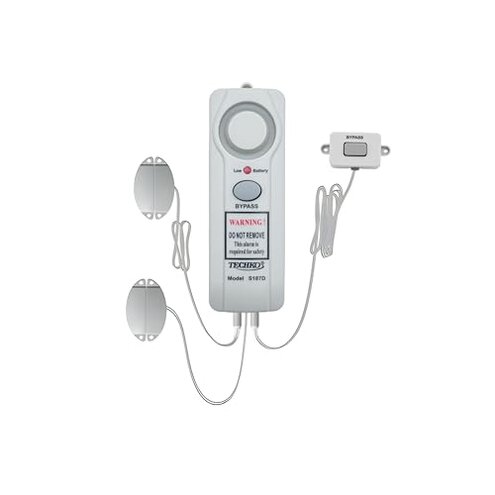
Product evaluated: Techko S187D Safe Pool Alarm
Related Videos For You
Pool Alarm | Pool School
How to Buy The BEST POOL ALARM
Data basis Dozens of customer reviews and several setup videos were analyzed through January 2026. Feedback types included written product reviews and hands-on videos. Distribution Most feedback came from written reviews, supported by video demonstrations.
| Outcome | Techko S187D | Typical mid-range alarm |
|---|---|---|
| False alarms | Higher frequency of unexpected triggers, commonly reported after initial setup. | Lower frequency; usually triggered only by clear submersion or major movement. |
| Sensor behavior | Confusing secondary sensor design that won’t act as an independent alarm. | Clear sensor roles and separate alarms more common. |
| Battery management | Higher perceived maintenance because of aggressive low-battery alerts and 9V replacement need. | Typical AA/longer-life options or clearer battery indicators on alternatives. |
| Installation & adhesives | Mixed results for mounting longevity in outdoor conditions. | More robust mounting solutions and clearer prep instructions common. |
| Regret trigger | False alarms combined with sensor quirks cause the most buyer regret. | False alarms are less frequent and easier to diagnose. |
Why does this alarm go off randomly?
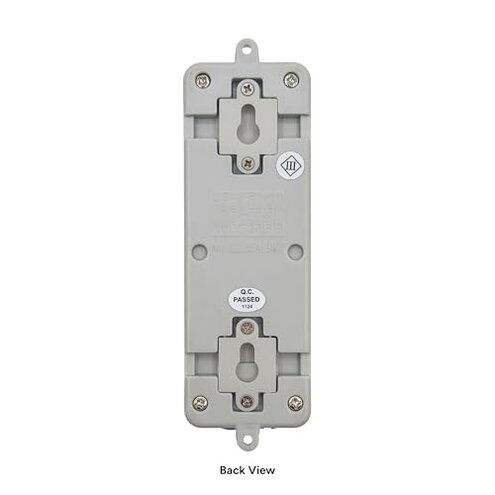
Regret moment Buyers commonly report the alarm triggering without any swimmer contact, especially during routine pool use. Pattern This recurring issue appears repeatedly after setup and during daily use.
Severity The problem is more disruptive than expected for mid-range pool alarms because false triggers interrupt normal pool activity. Context It tends to worsen in windy conditions or when pool covers and float toys move.
Is the screen-door sensor really a separate alarm?
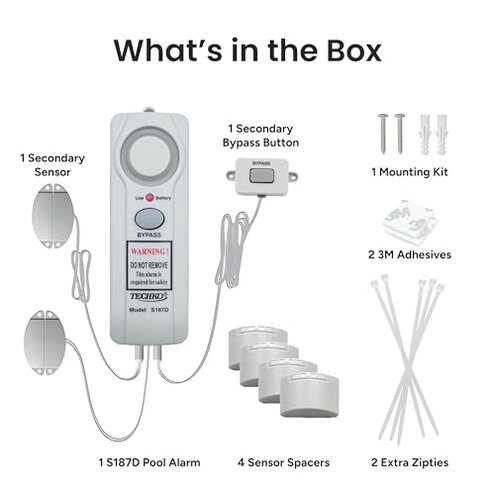
- Primary pattern: The secondary screen-door sensor often does not act as an independent alarm, a commonly reported design limitation.
- Usage moment: This shows up during normal home entry when owners expect the sensor to protect a sliding door separately.
- Category contrast: This is worse than typical because mid-range alternatives usually allow distinct sensor roles.
- Cause hint: The product’s design links sensors to one unit, so a separate door alarm requires a different device.
- Impact: Users wanting multi-door monitoring face extra cost and effort to add units.
- Fixability: Workarounds exist but add steps and expense, which is more upkeep than most buyers expect.
How often will I change the battery or chase low-battery alerts?
- Early sign: Buyers frequently notice an always-on red LED that signals low battery, raising maintenance worry.
- Frequency tier: This is a secondary issue but commonly reported across purchases.
- When it appears: The alert often shows up during regular use rather than as an end-of-life warning.
- Practical impact: Needing a 9V replacement and frequent checks adds time and cost compared with typical alarms.
- Attempted fixes: Users report swapping batteries temporarily reduces false alarms but does not eliminate sensor sensitivity problems.
Will this stay mounted and weatherproof long-term?
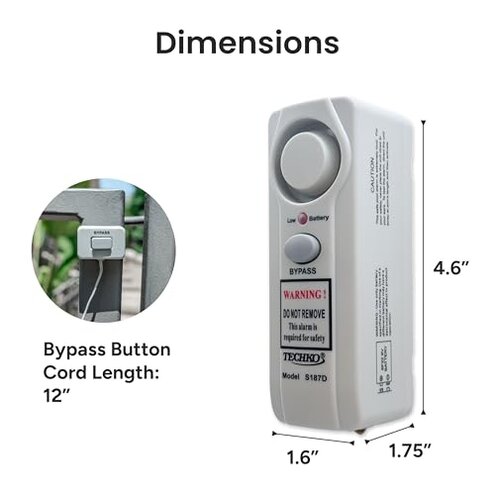
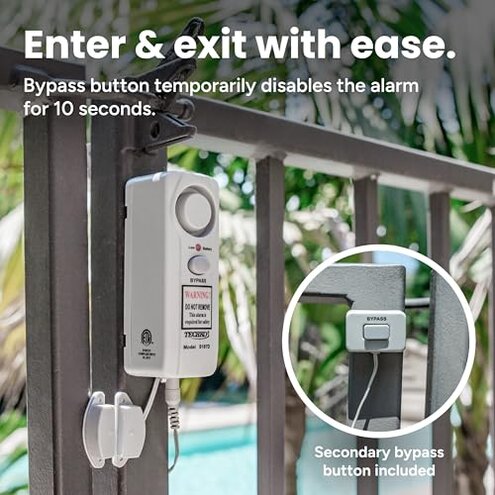
- Initial sign: Adhesives and mount placers included work initially for many buyers.
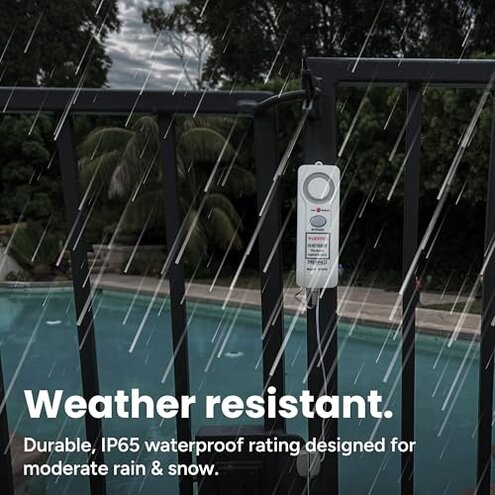
- Environmental risk: Some feedback shows mounts failing after weather exposure, a persistent but not universal report.
- Hidden requirement: Successful long-term mounting commonly requires extra surface prep and stronger adhesives.
- Cause: UV, humidity, and temperature swings can weaken the supplied adhesive over time.
- Impact: Re-mounting adds tasks and may lead to alarm misalignment or false triggers.
- Fixes tried: Owners often buy aftermarket mounting kits or screws to keep the alarm in place.
- Category contrast: This requires more upkeep than most mid-range options, which usually include clearer mounting guidance.
- When it worsens: Problems become more common after months of outdoor exposure.
Illustrative excerpts
"Goes off with wind and pool toys nearby" — illustrative; reflects a primary pattern.
"Screen sensor won’t act alone; I had to buy another unit" — illustrative; reflects a secondary pattern.
"Low-battery LED stayed on despite fresh battery" — illustrative; reflects a secondary pattern.
"Adhesive failed after a month of sun" — illustrative; reflects an edge-case pattern.
Who should avoid this
- Frequent pool hosts: If you need quiet, interruption-free protection, the higher false-alarm risk is unacceptable.
- Multi-door monitoring homes: If you expect the screen sensor to act independently, this product will fall short.
- Low-maintenance buyers: If you do not want regular battery checks or remounting, this alarm requires more upkeep than typical.
Who this is actually good for
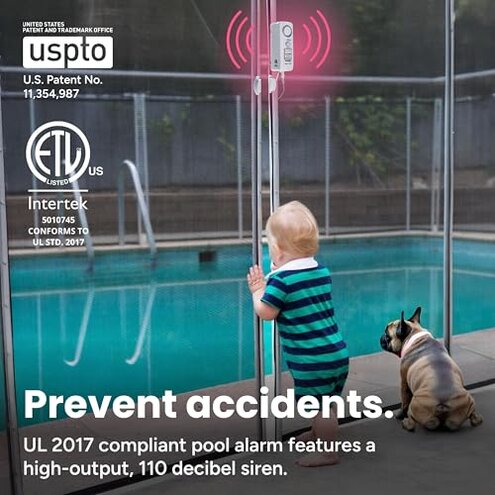
- Do-it-yourself users: Comfortable adding stronger mounts and extra alarms; they can manage the hidden mounting needs and sensor limits.
- Budget-conscious buyers: Willing to accept false-alarm risk and occasional battery swaps to save on upfront cost.
- Single-door setups: Homes with only one monitored entry may tolerate the linked sensor design without extra purchases.
Expectation vs reality
- Expectation: Reasonable for this category is a pool alarm that only sounds on submersion.
- Reality: The Techko often triggers from non-submersion movement, making it noisier than expected.
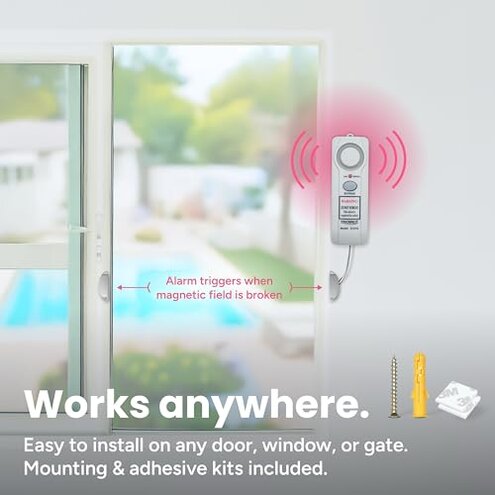
- Expectation: A screen-door sensor will serve as a separate door alarm.
- Reality: The secondary sensor is linked and not a substitute for a separate alarm, which forces extra purchases.
Safer alternatives
- Choose alarms with clearly independent sensors if you need multi-door monitoring to avoid the linked-sensor problem.
- Prefer models using longer-life batteries or clearer low-battery staging to reduce maintenance trips.
- Look for products with rated outdoor mounting kits or screw-mount options to avoid adhesive failures.
- Buy brands known for conservative sensitivity settings or user-adjustable thresholds to cut false alarms.
The bottom line
Main regret The strongest buyer regret is frequent false alarms combined with sensor design quirks.
Why worse These issues exceed normal category risk because they add repeated interruptions and extra purchases or mounting work.
Verdict Avoid this unit if you need reliable, low-maintenance pool protection; consider alternatives with clearer sensor roles and mounting.
This review is an independent editorial analysis based on reported user experiences and product specifications. NegReview.com does not sell products.