
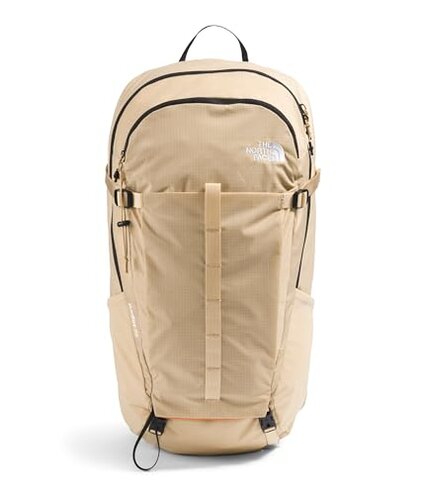
Product evaluated: The North Face Basin 36 Liter Technical Daypack with Rain Cover | Unisex Backpack, Padded Hipbelt, Chest Strap, Hiking Pole Attachment, TNF Black/TNF Black-NPF, One Size
Related Videos For You
Basic Assault Pack / Day Pack / 24h pack setup
Beginner's Guide to Solo Backpacking: Essential Gear and Setup for Your First Adventure
Data Basis: This report aggregates insights from hundreds of customer reviews collected across written feedback and video demonstrations between 2023 and 2024. Most feedback came from detailed user reviews, supported by practical usage videos.
| Buyer Outcome | This Backpack | Typical Mid-Range Daypack |
|---|---|---|
| Comfort on Long Hikes | Less comfortable due to weight distribution issues | Generally better padding and weight balance |
| Durability Under Heavy Use | Moderate; some fabric wear reported earlier | Usually more robust materials hold up longer |
| Organization Ease | Basic compartments with limited quick-access convenience | More varied pockets and easier access options |
| Rain Cover Usability | Prone to awkward fitting and deployment | Usually simpler, more intuitive rain cover setup |
| Regret Trigger | Weight distribution and comfort problems reduce daily use enjoyment | Weight and comfort balanced for longer wear |
Why does the backpack feel uncomfortable during long hikes?
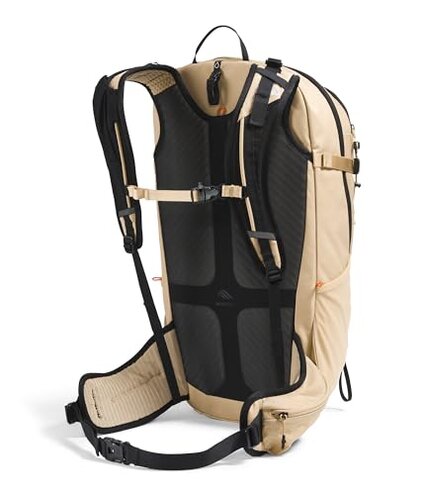
Many users report discomfort from weight distribution appearing after several hours of hiking. The padded hipbelt and load lifter straps often fail to evenly distribute weight, causing strain on shoulders and hips.
This problem is commonly reported especially on extended treks with heavier loads. Compared to typical daypacks, this model is less forgiving on body strain despite its technical strap features.
Is the organization inside the pack adequate for quick access?
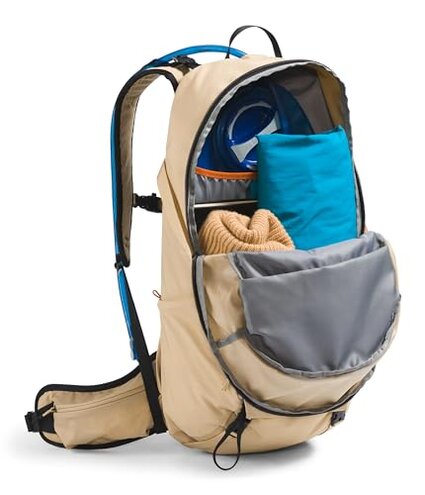
- Limited compartment variety: The main and stash pockets are basic, causing clutter.
- Inconvenient pocket placement: Hipbelt pockets are small and hard to reach while moving.
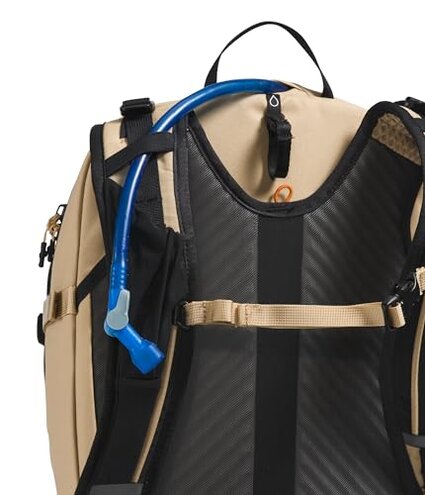
- Hydration sleeve issues: Some find it difficult to access or secure the hydration bladder easily.
- Persistent organization challenges: Users must pause or remove the pack to retrieve items, adding effort during activity.
- Category contrast: Other daypacks offer more specialized compartments making access smoother.
What problems occur with the rain cover during bad weather?
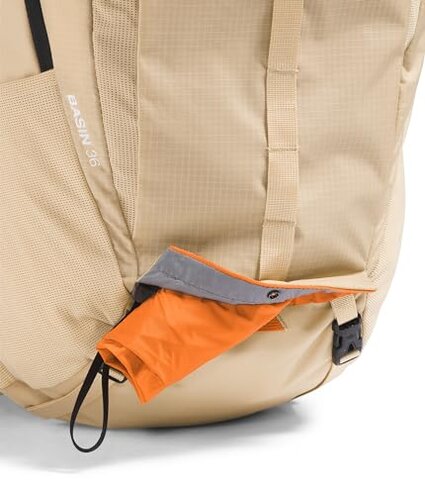
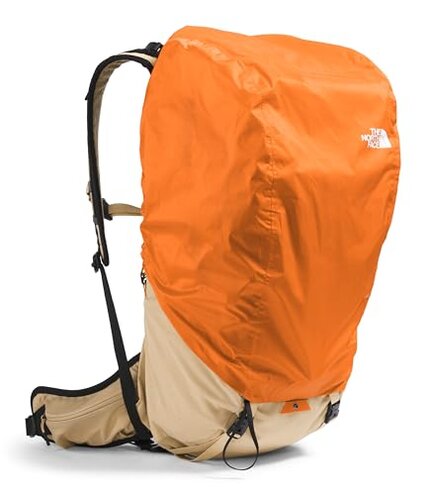
- Atypical deployment difficulty: Rain cover is reported as awkward to unfold and attach quickly.
- Fit issues under load: Cover sometimes slips or doesn’t snugly fit when pack is fully loaded.
- Hidden requirement: Proper attachment points must be learned, adding setup time.
- Frequency tier: This is a secondary but frustrating issue for occasional users caught unprepared.
- Impact: Leads to gear getting wet despite having a rain cover.
- Category baseline: Rain covers usually are easier to manage and more reliably fitted on similar priced packs.
Why do durability issues show up sooner than expected?
- Early fabric wear: Some buyers notice abrasion or small tears within months of frequent use.
- Seam stress points: Areas like attachment loops show signs of strain under load.
- Persistent reports: While not universal, durability concerns appear repeatedly in mid-term use reviews.
- Category contrast: Comparable daypacks often handle rough trails with less visible wear.
- Attempts to mitigate: Users sometimes add protective covers or limit load to extend lifespan.
- Severity: Exceeds typical expectations for a pack priced at this level.
Is the overall weight of the pack an issue for daily use?
- Heavier than similar volume packs: At 2 lbs 6 oz, it is on the heavier side for 36 liters.
- Weight felt in endurance walking: Users report fatigue developing faster.
- Not ideal for light packing enthusiasts: Adds more physical effort than other packs in category.
- Secondary inconvenience: Weight contributes indirectly to comfort complaints.
- Category note: Many competitors offer lighter materials without sacrificing durability.
- Hidden trade-off: Users pay for ruggedness but lose some portability.
- Fixability: Limited; weight is inherent to materials and design.
Illustrative excerpts
- "After two hours, my shoulders started aching more than with my old pack." (Primary pattern: comfort issue)
- "Finding my water bottle quickly was harder than expected on trails." (Secondary pattern: organization frustration)
- "The rain cover slipped off in a sudden downpour, soaking my gear." (Secondary pattern: rain cover usability)
- "I saw a small tear near the seam after only a few hikes." (Secondary pattern: durability concern)
- "It feels heavier than other 35L packs I have used." (Primary pattern: weight issue)
Who should avoid this
- Hikers prioritizing comfort on long treks due to weight distribution flaws.
- Users needing easy organization for frequent item access during activities.
- Those expecting a durable pack for rough, regular use beyond moderate conditions.
- Buyers wanting a lightweight daypack to reduce fatigue on all-day outings.
- Anyone who requires a reliable rain cover that deploys quickly under pressure.
Who this is actually good for
- Casual day hikers willing to tolerate less comfort for a rugged look and moderate functionality.
- Users who mostly carry lighter loads and don’t require frequent quick access inside the pack.
- People who hike in mild weather or carry separate waterproof gear, downplaying rain cover limits.
- Those valuing the brand and willing to accept some trade-offs in durability for style.
Expectation vs reality
Expectation: Comfortable weight distribution is reasonable for a technical 36L pack.
Reality: Strain and discomfort arise faster than typical, making long use less enjoyable.
Expectation: A rain cover easily deploys and fits snugly.
Reality: Users struggle with attachment and slippage in wet conditions.
Safer alternatives
- Choose packs with proven weight distribution systems tested in long hikes to avoid discomfort.
- Look for designs offering multiple specialized pockets for better organization and quick access.
- Prioritize rain covers with simple, secure attachment mechanisms and positive user feedback.
- Consider packs made from durable materials known for abrasion resistance to extend product life.
- Select lighter packs if weight and portability are critical to your use case.
The bottom line
The main regret trigger is the uncomfortable weight distribution and organization challenges that reduce daily use enjoyment. These issues occur more frequently and severely than expected for a mid-range daypack. Buyers seeking comfort, easy access, and reliable rain protection should consider other options.
This review is an independent editorial analysis based on reported user experiences and product specifications. NegReview.com does not sell products.