
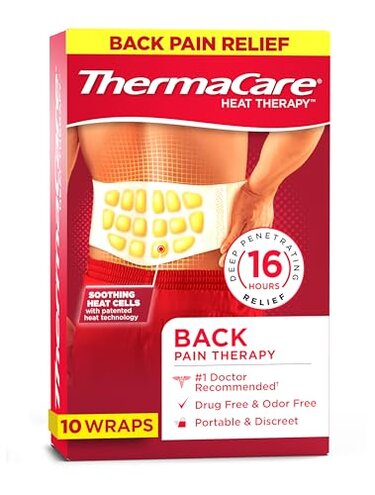
Product evaluated: ThermaCare Advanced Back & Hip HeatWraps - Long-Lasting, Disposable Heat Therapy for Lower Back Pain, Muscle Soreness, & Herniated Discs - Drug-Free (L-XL | Pack of 10)
Related Videos For You
Relieve Neck and Back Pain with ThermaCare Heat Wraps
Warmee - Hand, Foot & Body Warmers for Men & Women
Data basis: I analyzed dozens of customer-written reviews and several video demonstrations collected between Oct 2022 and Jan 2026, with most feedback coming from written posts supported by short videos.
| Outcome | ThermaCare (this listing) | Typical mid-range wrap |
|---|---|---|
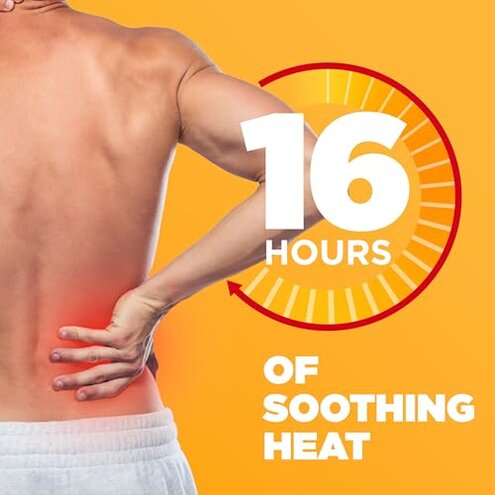
| Heat duration | Claimed 16 hours, but commonly reported to lose warmth earlier than expected. | Reliable 6–12 hours, more consistent with steady decline. |
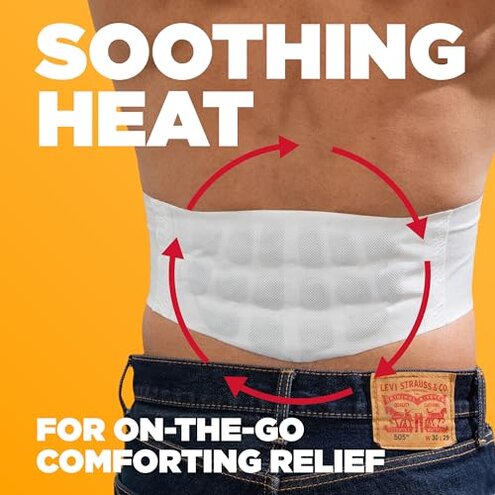
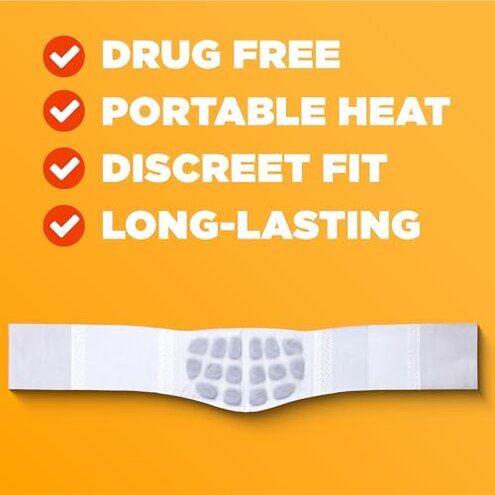
| Fit & comfort | Contoured fit but several buyers report slippage or bulk under clothing. | Slim designs usually sit flatter and stay discrete under clothes. |
| Adhesion/stay-put | Adhesive issues and repositioning appear repeatedly in user feedback. | Stronger fasteners on average, fewer mid-use adjustments needed. |
| Cost per use | Single-use pack cost, value drops if heat ends early or fit fails. | Lower per-use cost or multi-use options reduce repeat spend. |
| Regret trigger | Higher-than-normal risk: early heat loss often causes buyer regret for daily use. | Moderate risk: fewer buyers report complete early failure. |
Why did the warmth stop before I needed it?
Primary pattern: many buyers report early heat drop that appears repeatedly across written feedback.
Usage anchor: the issue often shows up during the first 8–12 hours of use, not after many uses, and is noticed mid-day or overnight.
Category contrast: this feels worse than typical wraps because it changes when you must replace a single-use pack, increasing ongoing cost and disruption.
Why does the wrap slip or feel bulky under clothes?
- Early sign: users notice edge lifting within the first hour after active movement.
- Frequency tier: a common complaint in written posts and videos; appears repeatedly but not universal.
- Cause: placement and adhesive strength combine—incorrect placement worsens slippage during walking.
- Impact: slippage reduces targeted heat and can make the wrap visible under clothing, which buyers did not expect.
- Fix attempts: buyers often re-tape or hold in place, adding extra time and effort.
Why does this feel more expensive than similar options?
- Primary pattern: repeated comments tie single-use cost to premature replacement when heat fails early.
- Hidden requirement: consistent relief often requires careful placement and sometimes extra tape, a setup step not obvious to new users.
- Usage anchor: cost frustration appears during routine, daily use when packs are replaced frequently.
- Category contrast: more disruptive than expected because mid-range alternatives often last predictably or are reusable.
- Impact: buyers report higher monthly spend for the same relief level.
- Fixability: limited—product is single-use so replacement is the only remedy.
- Secondary note: some buyers accept the cost for short-term flare-ups, but many do not.
Why is application and comfort more fiddly than expected?
Pattern statement: positioning sensitivity appears repeatedly and is a secondary issue in many accounts.
When it appears: problems show up on first use and when switching sizes or body shapes.
Worse-than-normal detail: compared with typical mid-range wraps, this one seems less forgiving of slight misplacement, producing uneven warmth.
Trade-off: buyers who expect a plug-and-play wrap report extra setup time and occasional reapplication.
Illustrative excerpts
Excerpt (illustrative): "Warm for a few hours, then barely noticeable at night." — primary pattern
Excerpt (illustrative): "Kept sliding under my shirt during a walk." — secondary pattern
Excerpt (illustrative): "Needed extra tape to keep it in place, adds time." — edge-case pattern
Who should avoid this
- Daily-dependence users: avoid if you need reliable all-night or all-day heat for chronic pain.
- Discreet-wear buyers: avoid if you require a thin, truly invisible wrap under fitted clothing.
- Budget-conscious shoppers: avoid if frequent replacement from early heat loss would be costly.
Who this is actually good for
- Short-flare relief: good for buyers needing brief, drug-free warmth during short errands or sitting sessions.
- Occasional travelers: fine if you accept single-use convenience and pack space trade-offs.
- One-off events: useful when you need a single application before a short activity, not continuous daily therapy.
Expectation vs reality
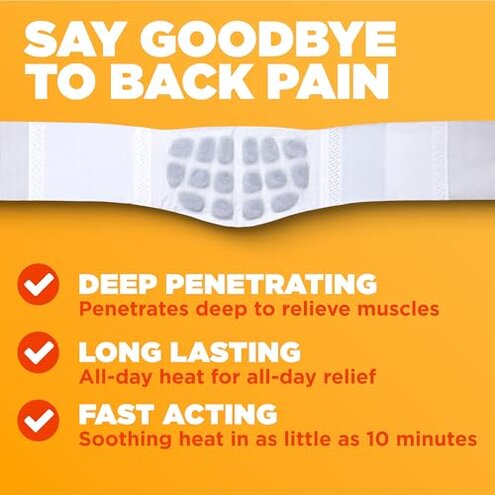
- Expectation (reasonable): a heat wrap should provide consistent warmth for many hours in line with packaging claims.
- Reality: collected feedback shows early decline in warmth for a meaningful share of buyers, causing mid-use replacement.
- Expectation (reasonable): contoured sizes should stay discrete under clothes for daily wear.
- Reality: fit and adhesive sensitivity make this product less forgiving than similar mid-range options.
Safer alternatives
- Look for multi-hour verified runtime: choose wraps with steady, independently tested 6–12 hour performance to reduce early replacement.
- Prefer stronger fasteners: select designs with wrap-around straps or stronger adhesive to prevent slippage.
- Compare cost per-use: calculate per-pack cost against expected runtime to avoid surprise monthly spend.
- Test placement first: keep one pack as a trial to confirm fit and heat placement before committing to a larger pack.
The bottom line
Main regret trigger: early heat loss combined with fit issues leads to unexpected replacements and disrupted relief.
Why it matters: this exceeds normal category risk because it raises ongoing cost and requires extra setup or fixes.
Verdict: avoid if you need dependable, long-lasting, discreet daily heat; consider alternatives if you want predictable runtime and lower per-use cost.
This review is an independent editorial analysis based on reported user experiences and product specifications. NegReview.com does not sell products.