
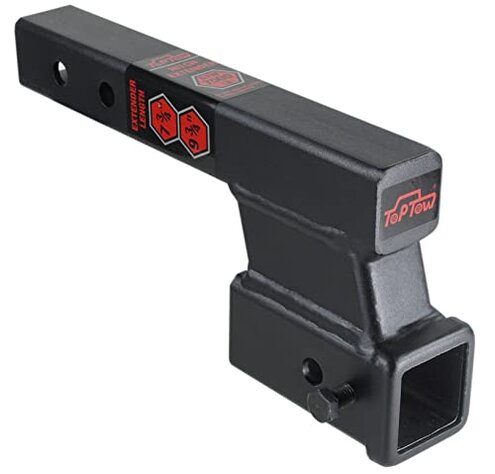
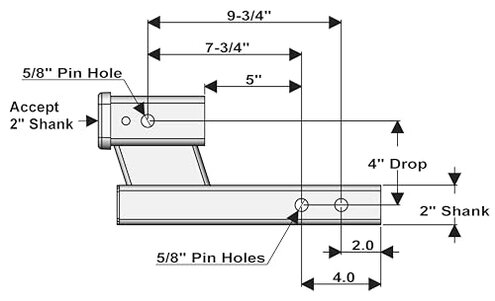
Product evaluated: TOPTOW Trailer Receiver Hitch Extender Adapter 4" Drop/Riser, 8" and 10" Extension Length, 2" Shank, 7500lbs Towing Capacity, Matte Black…
Related Videos For You
Hitch Extension / Is your hitch too short? Extend It!
Data basis: This report summarizes findings from dozens of buyer comments gathered between Jan 2021 and Feb 2026, drawn from written reviews and video demonstrations, with most feedback coming from written reviews and supported by visual tests.
| Buyer outcome | This product | Typical mid-range alternative |
|---|---|---|
| Fit & compatibility | Mismatch risk often reported when mating with aftermarket ball mounts or close-clearance bumpers. | Better fit more commonly achieved by mid-range extenders with clearer specs or shims. |
| Noise & rattle | Higher-than-normal tendency to wobble or rattle unless extra anti-rattle steps are taken. | Lower noise mid-range options usually include more robust anti-rattle hardware. |
| Installation time | Extra steps commonly needed for alignment, extra washers, or longer pins. | Straighter install typical alternatives fit with the mount out of the box. |
| Finish & corrosion | Surface wear reports appear repeatedly after normal outdoor use. | Tougher finish many mid-range rivals show fewer early chips and rust reports. |
| Regret trigger | Immediate frustration occurs at first hookup when the shank does not seat or rattles badly. | Lower regret typical alternatives avoid this main installation annoyance. |
Top failures
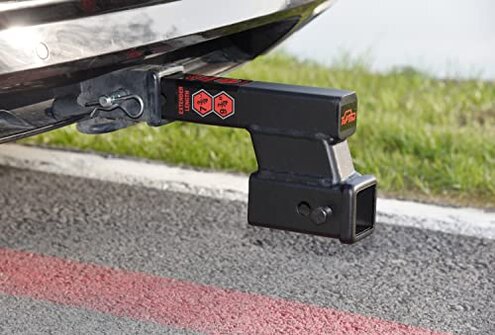
Why won't this fit cleanly with my ball mount or bumper?
Fit mismatch is the clearest regret moment buyers report during first fit checks when attaching the ball mount.
Pattern note: This is a primary issue that appears repeatedly across buyer feedback.
Category contrast: This feels worse than normal because many mid-range extenders seat without shim or modification.
Why does it rattle or feel unstable while towing?
- Wobble often shows up during the first towing trip and gets worse on rough roads.
- Anti-rattle hardware included may not eliminate movement for close-fit receiver/mount pairs.
- Frequency tier is a secondary issue for many users but primary for those with loose receivers.
- Impact is increased noise, quicker wear, and reduced confidence for long trips.
Why does the finish chip or rust sooner than expected?
- Finish issues appear repeatedly after outdoor exposure and towing in wet conditions.
- Early signs include chipped paint at welds and exposed metal spots.
- Cause commonly reported as surface wear from contact and road debris.
- Attempts to touch up paint help briefly but do not stop progression for some users.
- Frequency tier is a secondary complaint but visible in multiple feedback types.
- Hidden requirement of seasonal maintenance is more than many buyers expect from a new hitch extender.
Can I trust the stated towing capacity and avoid safety hassles?
- Capacity concern appears less frequently but is more disruptive when buyers question load behavior under heavy tongue weight.
- Usage anchor usually shows up after repeated heavy towing or long-distance hauling.
- Cause is often perceived flex or deformation under load, or anxiety about reduced leverage from the extender.
- Impact can force slower speeds, extra inspections, or reduced tow loads.
- Fixability varies; some buyers add reinforcement or return the unit when they spot bending.
- Scope is a persistent worry across written reviews and visual inspections reported by buyers.
- Category contrast this is less forgiving than many mid-range extenders, which feel stiffer under load.
Illustrative excerpts (not actual quotes)
Illustrative: "Doesn't seat flush; needed extra washers to stop movement on day one." — primary
Illustrative: "Started flaking paint after a few wet trips, worried about rust." — secondary
Illustrative: "Felt a flex on a long haul, so I reduced the trailer weight." — edge-case
Who should avoid this
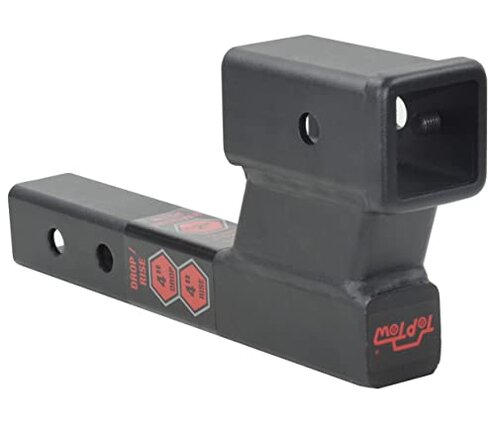
- Buyers needing perfect fit for tight bumper clearances should avoid it due to frequent fit mismatch reports.
- Frequent long-haul towers who expect rock-solid stability should avoid it because wobble appears on rough roads.
- Low-maintenance owners who dislike seasonal touch-ups should avoid it because surface wear is commonly reported.
Who this is actually good for
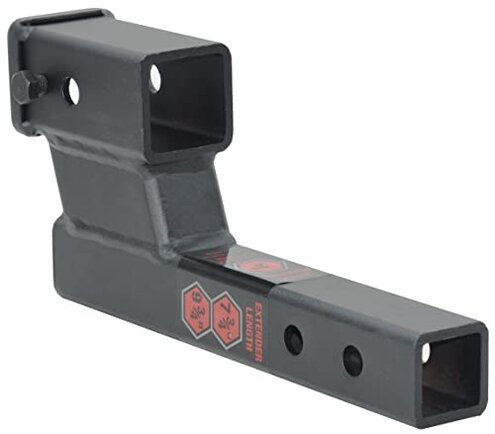
- Budget-conscious users willing to do minor mods can accept fit workarounds to save money.
- Occasional haulers who tow light loads and stop for checks can tolerate the wobble risk on short trips.
- DIY owners who will add anti-rattle kits or paint touch-ups can manage the main failures cheaply.
Expectation vs reality
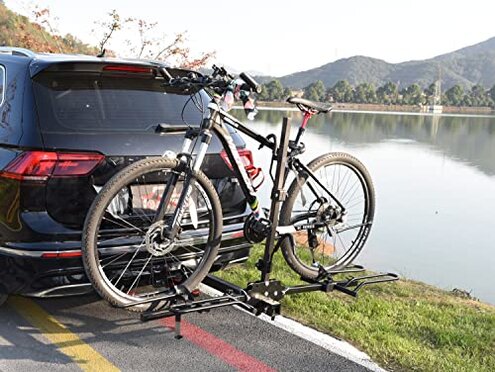
Expectation (reasonable for category): Buyers expect a 2" extender to seat cleanly and stay rattle-free with standard hardware.
Reality: Many buyers find extra steps, shims, or stronger anti-rattle kits are needed before safe, quiet towing.
Safer alternatives
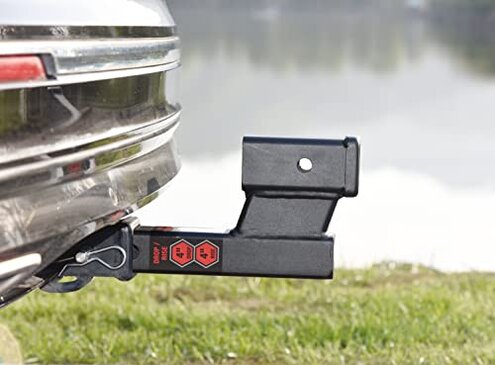
- Measure first verify receiver depth and accessory shank length to avoid the primary fit mismatch.
- Anti-rattle kit buy a proven anti-rattle system to neutralize wobble before your first trip.
- Stronger finish choose extenders with proven powder-coat claims or stainless options to prevent early rust.
- Shorter extension prefer shorter extenders when towing near the product's tongue-weight limit to reduce flex.
The bottom line
Main regret is fit and stability problems that show up immediately at hookup and during early towing.
Why it matters these issues exceed normal category risk because many mid-range extenders install and perform with fewer extra fixes.
Verdict avoid this unit if you need a plug-and-play, worry-free hitch extender without extra hardware or maintenance.
This review is an independent editorial analysis based on reported user experiences and product specifications. NegReview.com does not sell products.