
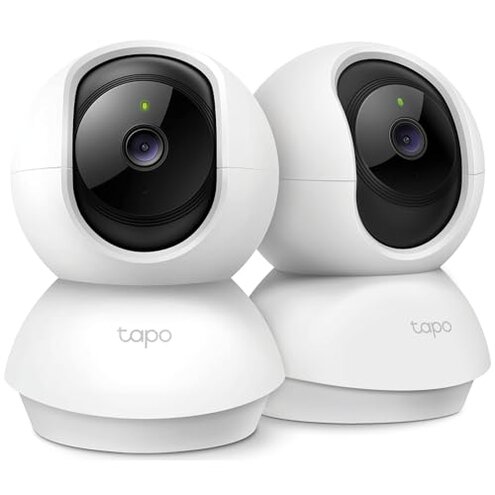
Product evaluated: TP-Link Tapo 2K Pan/Tilt Security Camera for Baby Monitor, Dog Camera w/Motion Detection, 2-Way Audio, Siren, Night Vision, Cloud & SD Card Storage, Works with Alexa & Google Home, 2-Pack (C210P2)
Related Videos For You
Blink Mini Indoor Security Camera - Setup & First Impressions!
1080p Wifi Pan and Tilt Security Camera SETUP Tutorial
Data basis: I reviewed dozens of recent written reviews and video demonstrations collected between Jan 2023 and Jan 2026. Most feedback came from written buyer reviews, supported by hands‑on video tests and Q&A threads.
| Outcome | TP‑Link Tapo C210P2 (this) | Typical mid‑range camera |
|---|---|---|
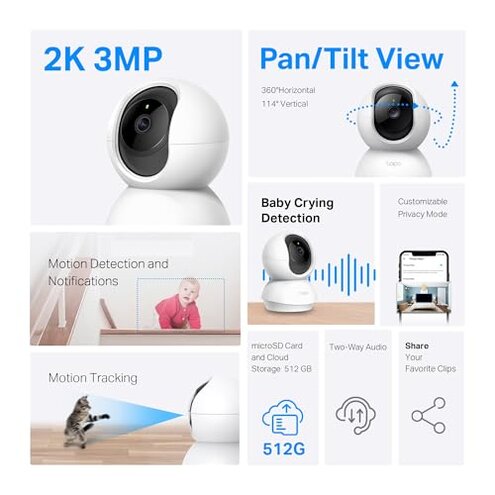
| Video quality | 2K clarity present but intermittent due to streaming drops. | Stable 1080p is common and more consistent for everyday monitoring. |
| Connectivity stability | Frequent Wi‑Fi drops reported, especially on 2.4GHz setups. | Less frequent drops with better error recovery expected for peers. |
| Motion alerts | False positives often generate noisy notifications. | Fewer false alerts with more refined detection in competitors. |
| Local storage | SD card issues and unclear setup are commonly reported. | Plug‑and‑play SD recording is more reliable in typical models. |
| Regret trigger | Higher‑than‑normal risk: connectivity and alert noise lead to lost footage and alert fatigue. | Lower risk: mid‑range alternatives usually balance stability with alert accuracy. |
Top failures
Why does the camera lose connection so often?
Frustration moment: Stream drops interrupt live view and recordings during routine monitoring. This is a primary regret because buyers expect continuous home monitoring.
Pattern: This failure is commonly reported across recent feedback and appears during initial setup and daily use.
Usage anchor: Drops happen during live streaming, when cameras are left running for long sessions, and after router or firmware changes.
Category contrast: The problem is worse than typical because mid‑range cameras usually recover faster from brief Wi‑Fi hiccups.
Why do I get so many false motion alerts?
- Early sign: You’ll see many push notifications that don’t match real events during the first week.
- Frequency tier: This is a primary issue for many buyers and tends to persist without manual tuning.
- Cause: Detection sensitivity and person recognition are overactive in typical home scenes.
- Impact: False alerts cause alert fatigue and reduce trust in real warnings.
- Fixability: Users report that turning sensitivity down helps but reduces useful detections.
Why is local storage and cloud use confusing or unreliable?
- Hidden requirement: The camera requires a specific SD card format and sometimes reformatting to record reliably.
- Pattern: SD card recording failures are a secondary issue that shows up after setup and when power cycles occur.
- Usage anchor: Failures often appear after power loss or firmware updates.
- Cause: The app’s storage settings and cloud subscription messaging are unclear to many buyers.
- Impact: Missed clips during incidents lead to lost evidence and buyer frustration.
- Attempts: Workarounds include reformatting the card, toggling recording modes, or using cloud backup, which adds time and cost.
Why can the pan/tilt or audio feel unreliable or awkward?
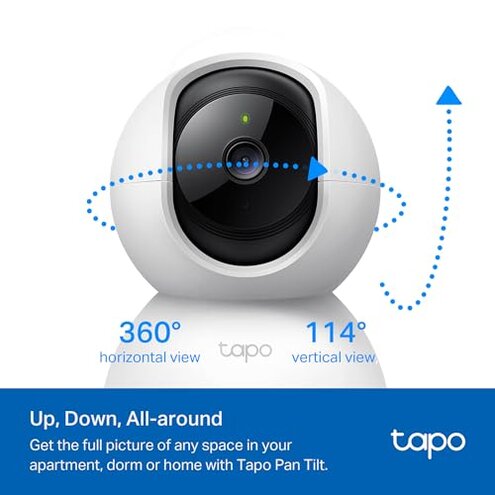
- Early sign: Pan/tilt may stutter or fail to reach requested angles during the first uses.
- Pattern: This is a secondary but persistent problem for some buyers and is more visible over weeks of use.
- Usage anchor: Issues appear when using automation or voice assistants and during continuous panning sessions.
- Cause: Motor responsiveness and app latency cause slow or jerky movement.
- Impact: Slow panning reduces usefulness for tracking pets or moving subjects and can miss events.
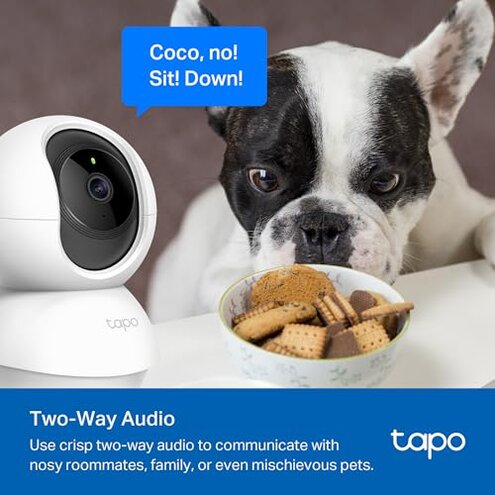
- Audio lag: Two‑way audio shows noticeable latency, making real‑time interaction awkward.
- Fix attempts: Reboots, local network changes, and firmware updates sometimes help but don’t always resolve the problem.
- Privacy note: Frequent reboots or resets are needed to regain full control, which is a hidden maintenance cost.
Illustrative excerpts (not real quotes)
"Keeps disconnecting every few hours, missed nighttime recording when needed." — reflects a primary pattern.
"Alerts ping non‑stop for leaves and shadows until I lower sensitivity." — reflects a primary pattern.
"SD card stopped saving clips after an update; had to reformat twice." — reflects a secondary pattern.
"Pan is jerky and audio lags during calls, not smooth enough for baby monitoring." — reflects an edge‑case pattern.
Who should avoid this

- Reliability‑critical users: Avoid if you need uninterrupted live streaming and guaranteed recordings.
- Non‑technical buyers: Avoid if you don’t want to manage Wi‑Fi bands, SD reformatting, or frequent troubleshooting.
- High‑sensitivity monitors: Avoid if you require precise motion/person alerts without lots of false positives.
Who this is actually good for
- Budget‑watchers: Good if you accept occasional drops and want affordable 2K video quality.
- DIY tinkerers: Good if you’re comfortable adjusting sensitivity, network settings, and reformatting SD cards.
- Secondary rooms: Good for low‑risk areas where missed clips are acceptable, like garages or basements.
Expectation vs reality

Expectation (reasonable): A mid‑range indoor camera should give stable streaming and usable motion alerts.
Reality: The Tapo delivers higher resolution but often with more connection and alert noise than expected, which reduces practical reliability.
Safer alternatives
- Choose 2.4/5GHz support: Pick cameras that explicitly support dual‑band recovery to neutralize connectivity drops.
- Better detection tech: Look for models advertising advanced person detection to reduce false alerts.
- Plug‑and‑play storage: Prefer cameras with proven SD reliability and clear local backup workflows to avoid lost clips.
- Test motor function: If tracking matters, test pan/tilt responsiveness in video reviews before buying to avoid jerky movement.
The bottom line

Main regret trigger: Recurrent Wi‑Fi instability and noisy motion alerts lead to missed recordings and alert fatigue.
Why worse than normal: These issues are more disruptive than typical mid‑range cameras because fixes often require extra steps and ongoing maintenance.
Verdict: Avoid this if you need a set‑and‑forget home monitor; consider it only if you’re willing to manage network and storage quirks.
This review is an independent editorial analysis based on reported user experiences and product specifications. NegReview.com does not sell products.