
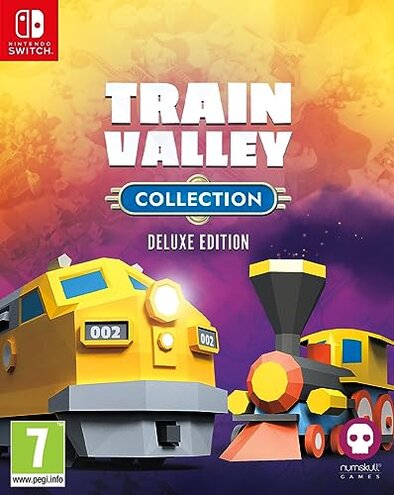
Product evaluated: Train Valley Collection (Deluxe Edition)
Related Videos For You
Factorio Trains Explained in Less Than Three Minutes
This train game is very HARD...
Data basis: This report compiles insights from dozens of written reviews and video demonstrations collected between early 2023 and mid-2024. Most feedback originated from detailed written critiques, supplemented by player walkthroughs and casual gameplay videos, offering a broad view of user experiences and issues.
| Buyer Outcome | Train Valley Collection | Typical Mid-Range Game |
|---|---|---|
| Setup complexity | Noted as more time-consuming due to modes and options | Generally streamlined and quick to start |
| Gameplay challenge balance | Uneven difficulty spikes frustrate many users | Smoother difficulty curve eases progression |
| Content depth | Offers many locomotives but content feels repetitive | Varied engaging content with more mechanics |
| Regret trigger | Frustration from inefficient network building and mode limitations | Balanced challenge and gameplay flow |
| Replayability | Limited by repetitive scenarios after initial play | Higher with diverse challenges |
Why does setup feel more complicated than expected?

Many users hit a frustrating wall during initial game setup, finding the array of modes and options overwhelming and time-consuming. This complexity adds extra steps before play can even begin, which is not typical for similar strategy puzzle games.
Pattern: Recurring in first-time users.
When: At game launch or mode selection.
Category contrast: Most games streamline setup to get players into the action quickly, but this title requires more navigation and decisions, causing early frustration.
How uneven difficulty spikes impact gameplay?
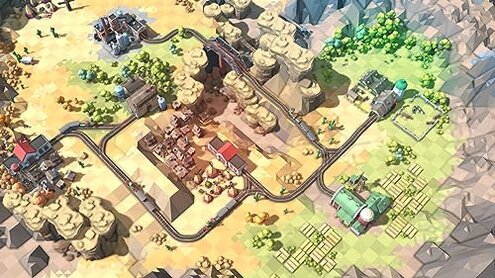
- Challenge inconsistency: Difficulty jumps abruptly in story and company modes.
- Frustration trigger: Players report feeling stuck without clear strategies.
- Frequency: Common among mid-progress players after initial learning.
- Impact: Gameplay flow breaks, leading to decreased enjoyment.
- Mitigation attempts: Some users resort to sandbox mode to avoid tough spots.
- Category norm: Competitors typically implement smoother difficulty curves to retain players.
Why does the content feel repetitive despite many locomotives?
- Variety promise: Over 30 locomotives and 60 train cars advertised.
- Repetitive experience: Gameplay scenarios and network building feel similar across modes.
- Usage context: Repetitiveness becomes apparent after multiple play sessions.
- User impact: Reduces long-term engagement and replay value.
- Category expectation: Other games offer more varied mechanics or storylines to maintain interest.
Are there hidden requirements that frustrate players?
- Hidden learning curve: Efficient network building requires detailed planning.
- Usage context: Frustrations peak during advanced stages with complex logistics.
- Frequency: Reported by dedicated players aiming for high scores.
- Category contrast: Some strategy games provide better in-game guidance; this product depends heavily on player trial and error.
- Fixability: Limited without external tutorials or community help.
- Impact: Adds stress and reduces accessibility for casual players.
- Buyer note: Newcomers may underestimate this requirement.
Do mode limitations restrict player freedom?
- Mode variety: Includes story, random, company, and sandbox modes.
- Limitation reports: Some modes feel less polished or restrictive.
- Usage context: Noticed during extended play sessions exploring all modes.
- Impact: Limits gameplay experimentation and enjoyment.
- Category baseline: Competing games often have more balanced and fully developed modes.
Illustrative buyer excerpts
- "Setup took longer than expected, with confusing options upfront." – Primary pattern
- "Difficulty spikes stopped my progress suddenly in company mode." – Primary pattern
- "Loved the trains but felt like playing the same puzzles repeatedly." – Secondary pattern
- "Needed extra tutorials to plan routes efficiently." – Secondary pattern
- "Sandbox mode felt like the only one worth playing after a while." – Edge-case pattern
Who should avoid this
- Players seeking quick, easy setup and streamlined gameplay flow.
- Casual gamers preferring smooth difficulty progression without sudden challenge spikes.
- Those wanting highly varied and engaging content beyond repetitive scenarios.
- Newcomers uncomfortable with steep hidden strategic requirements and learning curves.
- Gamers expecting balanced, fully developed modes for diverse play experiences.
Who this is actually good for
- Strategy enthusiasts who enjoy complex logistical puzzles and don’t mind investing time in learning.
- Players willing to tolerate setup complexity for a deep railway building experience.
- Fans of sandbox modes who appreciate creative freedom despite limitations in other modes.
- Those interested in collecting and experimenting with numerous train types.
- Gamers who prefer challenging gameplay and are prepared for difficulty spikes.
Expectation vs reality
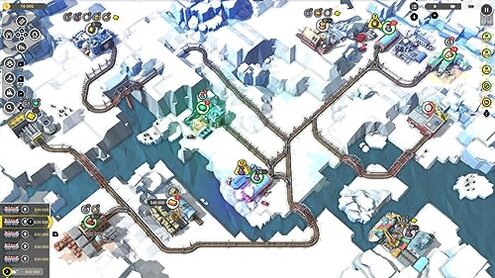
- Expectation: Easy and quick setup is reasonable for this strategy game category.
Reality: Setup is notably more complicated and time-consuming, causing early frustration. - Expectation: Progressive difficulty built smoothly to maintain player engagement.
Reality: Unbalanced spikes disrupt gameplay flow more than typical games. - Expectation: Variety in modes and content keeps the game fresh.
Reality: Modes have limitations and content feels repetitive after initial exploration.
Safer alternatives
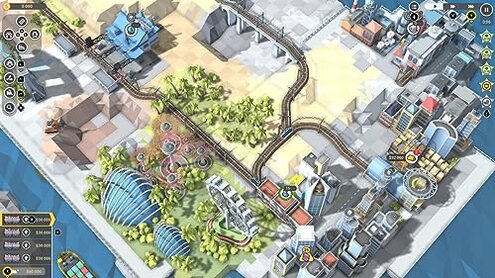
- Choose games with intuitive, quick setup processes to avoid early friction.
- Look for products offering gradual difficulty progression to reduce player frustration.
- Select titles featuring diverse gameplay mechanics and rich content variety for longevity.
- Prefer games with built-in tutorials and guidance to handle complex strategies smoothly.
- Opt for alternatives with balanced and fully developed modes for varied experiences.
The bottom line

Main regret trigger: Complex setup and uneven difficulty spikes cause significant frustration.
This product carries higher-than-normal risk for players expecting a smooth entry and balanced challenge in the strategy puzzle category.
Buyers prioritizing ease of use, gameplay flow, and content variety should consider other options.
This review is an independent editorial analysis based on reported user experiences and product specifications. NegReview.com does not sell products.