
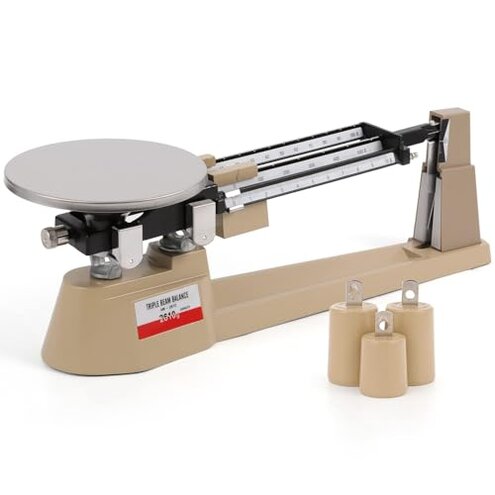
Product evaluated: Triple Beam Balance Scale Lightweight Lab Mechanical Balance Scale 2610g/0.1g with Stainless Steel Weighing Platter
Related Videos For You
Tutorial: Triple Beam Balance
LearningTools: Reading Weight Measurements on a Physician Mechanical Beam Scale
Data basis: This report is based on dozens of feedback points collected from product listings, written buyer comments, and video-style demonstrations from late 2023 to early 2026. Most feedback came from written impressions, with video walkthroughs helping confirm setup friction, accuracy expectations, and how this type of balance behaves during real use.
| Buyer outcome | This balance | Typical mid-range alternative |
|---|---|---|
| First-use setup | Higher effort; manual zeroing and rider placement can slow the first session. | Moderate effort; still manual, but usually more forgiving to start. |
| Daily speed | Slower workflow; each measurement can take extra steps to settle and confirm. | Faster routine; usually less finicky during repeat weighing. |
| Accuracy confidence | Mixed confidence; depends heavily on careful leveling and user technique. | More consistent; usually easier to repeat the same reading. |
| Forgiveness | Less forgiving; small setup mistakes can change the result more than expected. | More tolerant; better suited to casual users. |
| Regret trigger | Looks simple, but becomes annoying when quick checks turn into a careful process. | Lower risk; buyers usually know the routine and get fewer surprises. |
Will quick weighing turn into a slow routine?
Yes, that risk is primary. For many shoppers, the regret starts on first use when a simple weighing task needs more setup and more patience than expected.
This matters more because a triple beam balance is already slower than digital options, and this one appears less forgiving than a typical mid-range manual balance during repeated daily use.
- Pattern: This is a recurring complaint and among the most common frustrations for manual balances at this price.
- When: It shows up after setup and during short weigh-checks when you expected a fast answer.
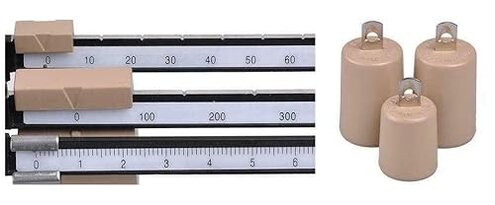
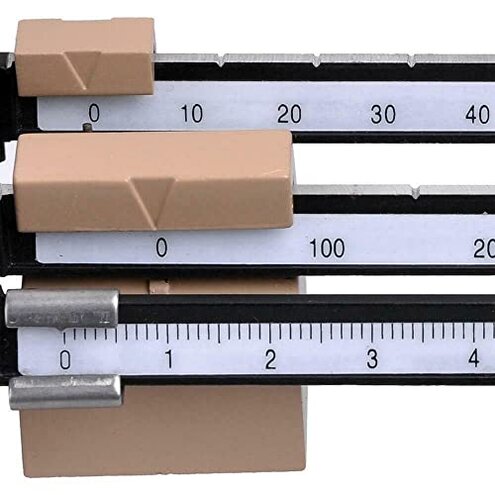
- Why: The scale needs manual zeroing and careful rider adjustment before each dependable reading.
- Impact: That adds extra time and breaks the flow in classrooms, kitchens, or bench work.
- Worsens when: It feels worse in repeat sessions where you weigh many items in a row.
- Hidden requirement: Buyers need basic technique and patience, which is easy to underestimate from the simple product photos.
- Fixability: Practice helps, but does not remove the manual workflow that causes the annoyance.
Could accuracy feel less dependable than expected?
That is the secondary issue. The claimed fine resolution sounds reassuring, but real confidence depends on careful use, not just the printed spec.
The frustration appears when two weighings feel too easy to influence with setup details, especially during school or hobby use where users expect stable repeatability.
Pattern-wise, this looks persistent rather than universal. It usually shows up when the zero point is slightly off or the scale is used on a surface that is not ideal.
Compared with a typical mid-range alternative, this feels worse than normal because the user has to do more of the consistency work personally instead of the tool absorbing small mistakes.
- Early sign: If the beam takes extra checking before you trust it, this issue is already showing.
- Frequency tier: It is a secondary pattern, less common than setup friction but more frustrating when precision matters.
- Context: It appears during careful measurements, not just casual kitchen use.
- Cause: Small errors in leveling or zeroing can affect user confidence fast.
- Impact: You may repeat measurements, which adds time and doubt.
- Attempted workaround: Users can re-zero and restart, but that means more steps rather than a true fix.
Is the added capacity more trouble than it sounds?
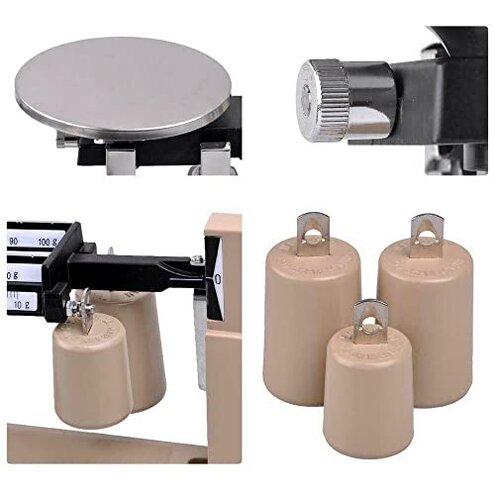
This is a persistent but more situational drawback. The included add-on weights raise capacity, yet they also introduce a hidden handling step that casual buyers may not expect.
The trade-off becomes obvious when you move beyond lighter items. Instead of one simple weighing process, you may need to manage attachment weights correctly before the scale feels usable.
- Ranking: This is a secondary issue, not the top complaint, but it creates more confusion than expected for this category.
- When: It appears once heavier items are weighed and the base range no longer covers the task.
- Worsens when: It gets more annoying in shared settings like classrooms where multiple users handle the same tool.
- Why it stings: The product sounds ready for broad use, but the extra-capacity method adds another thing to learn.
- Category contrast: Manual balances already require care, but this setup is less intuitive than many buyers assume from a general-purpose listing.
- User cost: Mistakes can mean restarting the weigh instead of finishing in one pass.
- Fixability: Clear habits help, though simpler alternatives usually reduce this learning burden.
Will it feel sturdy enough for frequent handling?
This is an edge-case concern, but it matters if the balance will be moved often. Lightweight construction can be convenient, yet some buyers read that convenience as lower confidence during frequent classroom or bench repositioning.
The issue usually appears after setup changes, transport, or repeated handling rather than while the unit just sits in one place.
- Pattern: This is not universal, but it shows up often enough to matter for shared-use buyers.
- Context: It is more noticeable during moving and re-positioning than during one stationary session.
- Buyer effect: The scale can feel less confidence-inspiring than a heavier classroom unit.
- Category contrast: Some manual balances are expected to be light, but this can feel more delicate than normal when daily handling is part of the plan.
- Practical result: Users may treat it more carefully, which reduces the convenience of a tool meant for regular use.
Illustrative excerpts
Illustrative: “I thought it would be simple, but every reading takes a setup routine.” Primary pattern.
Illustrative: “It works, but only when I slow down and double-check everything.” Primary pattern.
Illustrative: “The extra weights help, but they make the process less straightforward.” Secondary pattern.
Illustrative: “Good for teaching, not great when you need fast repeat measurements.” Secondary pattern.
Illustrative: “Light enough to move, but not the confidence I wanted for frequent handling.” Edge-case pattern.
Who should avoid this
Avoid it if you want quick weigh results with almost no learning curve. The main failure is the manual process, and that exceeds normal tolerance for buyers expecting grab-and-go use.
Avoid it if repeated precision matters more than mechanical simplicity. The setup sensitivity can feel worse than expected for casual lab, hobby, or kitchen tasks.
Avoid it if multiple people will share it daily. The hidden technique requirement makes inconsistent handling more likely.
Avoid it if the balance will be moved often between tables or rooms. The lightweight feel may not match expectations for heavier-duty classroom use.
Who this is actually good for
Good fit for buyers who specifically want a mechanical balance and accept a slower workflow. They are tolerating the extra setup because no battery is needed.
Good fit for teaching situations where the weighing process itself is part of the lesson. In that case, the manual steps are not a flaw so much as the point.
Good fit for occasional low-pressure use where speed is not important. Those buyers can live with the repeat-check habit without much frustration.
Good fit for shoppers on a tighter budget who understand this is not the most forgiving style of balance. They accept more user effort to save money upfront.
Expectation vs reality
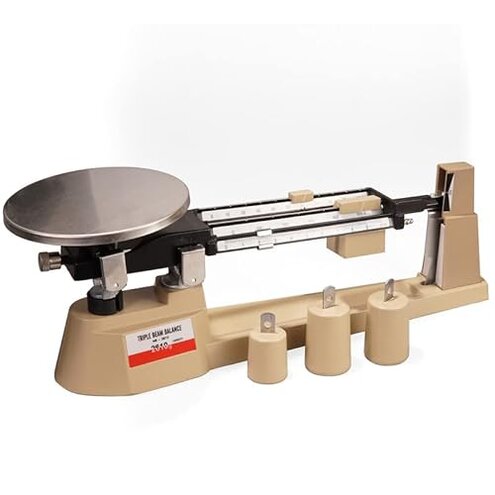
- Expectation: A mechanical balance should be slower than digital, but still reasonably straightforward for routine tasks.
- Reality: This one can be more finicky than that baseline, especially when zeroing and repeat checks pile up.
- Expectation: The listed accuracy should mean dependable day-to-day readings.
- Reality: The reading can feel technique-dependent, so confidence may vary with setup quality.
- Expectation: Added capacity sounds like simple flexibility.
- Reality: The attachment-weight step adds handling and learning that some buyers do not anticipate.
- Expectation: Lightweight design should make it easier to use anywhere.
- Reality: That same light feel can reduce confidence during frequent moving or shared use.
Safer alternatives
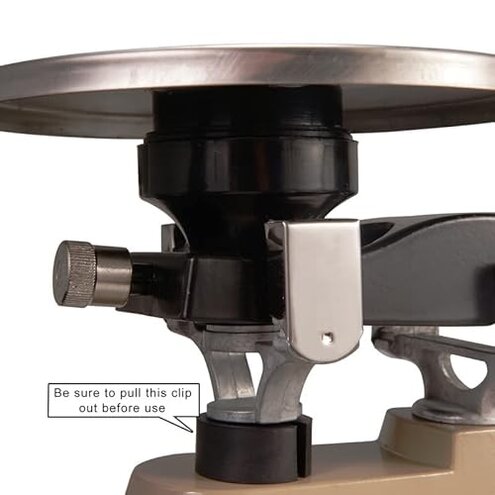
- Choose digital if your main worry is the slow manual routine. That directly avoids the zeroing and rider friction.
- Look for easier calibration if repeatability matters more than old-school operation. This helps neutralize the technique sensitivity.
- Prefer a simpler capacity range if different users will share the tool. That reduces mistakes tied to add-on weight handling.
- Buy a heavier classroom-style unit if the balance will be moved often. That directly addresses the lightweight confidence issue.
The bottom line
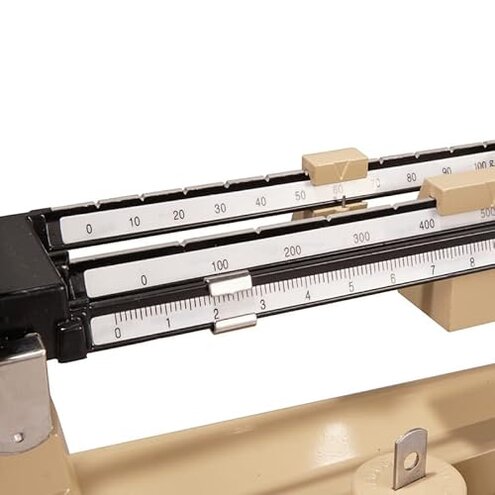
Main regret comes from expecting a simple weighing tool and getting a more hands-on process instead. The risk is higher than normal because the setup burden, technique sensitivity, and add-on capacity steps stack together during ordinary use.
Verdict: Skip it if you want fast, forgiving measurements. Consider it only if you deliberately want a manual teaching-style balance and accept the slower routine.
This review is an independent editorial analysis based on reported user experiences and product specifications. NegReview.com does not sell products.