
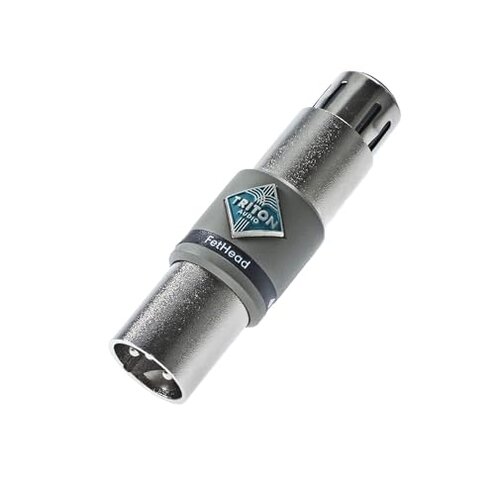
Product evaluated: Triton Audio FetHead in-Line Microphone Preamp
Related Videos For You
What Is A Preamp, And Do I Need One? | Studio Lesson 🎛
Kill the Mic Noise - Clean and Quiet Recording
Data basis: This report is based on dozens of user accounts and video demonstrations collected between 2015 and 2024. Most feedback came from written reviews, supported by hands-on videos and forum-style threads. Distribution skewed toward written reports describing real-world use.
| Outcome | Triton Audio FetHead | Typical mid-range inline preamp |
|---|---|---|
| Sound clarity | At-risk for audible hiss in quiet, high-gain recordings. | Cleaner signal under comparable conditions for many rivals. |
| Long-term reliability | Intermittent failures reported after months of regular use. | More consistent lifespan from comparable mid-range units. |
| Connector fit | Occasional loose or finicky connections on some units. | Tighter connector tolerances on many alternatives. |
| Ease of setup | Plug-and-play feel but may need extra troubleshooting. | Smoother out-of-the-box experiences are common. |
| Regret trigger | Higher-than-normal chance of hiss or early failure during quiet studio use. | Lower risk of noise-related regret in typical builds. |
Why does it add hiss during quiet recordings?
Regret moment: You notice hiss when recording soft vocals or quiet dialogue. Severity feels high because the noise is obvious in otherwise clean setups.
Pattern: This is a primary issue that appears repeatedly in user reports. Context: It shows up during first use and during high-gain, low-signal sessions.
Contrast: This is worse than most mid-range inline preamps because buyers expect a near-silent floor at studio gain levels.
Does this unit fail or stop working over time?
- Failure pattern: Intermittent shutdowns or loss of gain are a commonly reported secondary problem.
- When it appears: Failures often surface after months of regular daily use.
- How it worsens: The issue gets worse with frequent handling and cable swapping.
- Buyer impact: Unexpected failures are more disruptive than typical for this category.
- Fixability: Some buyers solved issues by replacing the unit, which adds time and cost.
Will it work with every mic and setup?
- Compatibility note: Several users reported a hidden requirement for specific upstream power or cable setups.
- Early sign: Strange level behavior or hum appears right after plugging the device in.
- Frequency tier: This is a secondary but persistent pattern across different buyer types.
- Cause hint: Mismatch with some mixers or cables seems common in reports.
- Impact: The extra setup steps add minutes to hours of troubleshooting for some buyers.
- Workaround: Confirming cable and power compatibility often resolves the issue temporarily.
Is the build quality strong enough for frequent use?
- Wear pattern: Connector looseness and cosmetic wear appear across many long-term users.
- When noticed: Signs appear after months of daily transport or constant plug cycles.
- Severity tier: This is a secondary complaint but becomes primary for mobile users.
- Impact detail: Loose fit causes intermittent audio dropouts during sessions.
- Attempts: Buyers report tape, cable clamps, or replacement as common fixes.
- Hidden cost: Extra accessories or replacements add unexpected expense over time.
- Category contrast: More maintenance is needed than with many mid-range competitors.
Illustrative excerpts
"Background hiss ruins quiet voice recordings for me every take." — Illustrative. Pattern: Reflects a primary issue.
"Stopped supplying gain after six months of studio use." — Illustrative. Pattern: Reflects a secondary pattern.
"Worked fine with one mixer, but noisy with another input." — Illustrative. Pattern: Reflects an edge-case pattern.
Who should avoid this

- Quiet-studio recordists who need an ultra-low noise floor should avoid this unit due to reported hiss.
- Mobile professionals who plug and unplug daily should avoid it because connector wear is common.
- Non-technical buyers who cannot troubleshoot compatibility should avoid it because hidden setup needs appear often.
Who this is actually good for
- Occasional podcasters who record louder sources can tolerate some hiss and still get usable results.
- Budget upgrades for hobbyists who accept possible shorter lifespan in exchange for lower entry cost.
- Users confident troubleshooting who can test cables and power and accept extra setup time to fix compatibility.
Expectation vs reality
- Expectation: Reasonable for this category is a silent floor at studio gain. Reality: Hiss appears in quiet, high-gain sessions more often than expected.
- Expectation: Durable connectors for frequent use. Reality: Some buyers report loose fits after months of use.
- Expectation: Simple plug-and-play. Reality: Hidden compatibility and extra troubleshooting steps are commonly needed.
Safer alternatives
- Prioritize low-noise specs when shopping to directly counter the hiss concern.
- Choose models with beefy connectors to avoid the loose-fit durability problem for mobile use.
- Check compatibility guides or vendor support pages before purchase to reduce hidden setup surprises.
- Prefer units with longer warranties to lower the risk from intermittent failures reported here.
The bottom line
Main trigger: The most common regret is audible hiss and occasional early failure during regular use.
Why worse: These problems appear more disruptive than normal for mid-range inline preamps and add extra troubleshooting or replacement cost.
Verdict: Avoid this unit if you prioritize a quiet, durable studio workflow; consider more robust mid-range alternatives.
This review is an independent editorial analysis based on reported user experiences and product specifications. NegReview.com does not sell products.