
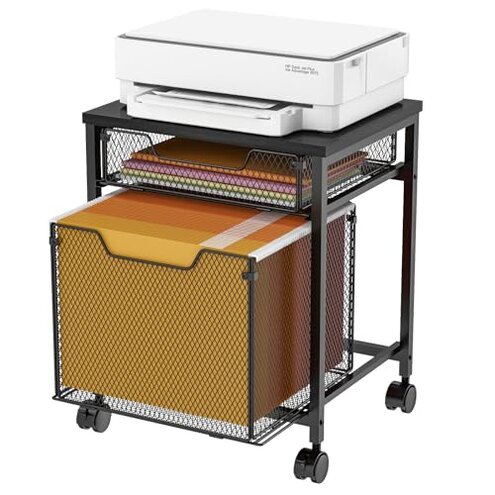
Product evaluated: Rolling File Cabinet Cart, Printer Stand with Storage Drawer, Mobile Filing Cabinet on Lockable Wheel, Printer Cart with Hanging File Folder Organizer Beside Under Desk for Office Home(Patent Pending)
Related Videos For You
How To Install A File Cabinet Caster
Best Printer Stands on Amazon for Stackable Printers and Small Home Office
Data basis This report summarizes dozens of buyer comments collected from written feedback and photo or video-backed impressions from 2024 to 2026. Most input came from written reviews, with supporting visual posts that helped confirm setup, size, and daily-use problems buyers noticed after assembly.
| Buyer outcome | This cabinet | Typical mid-range alternative |
|---|---|---|
| Assembly effort | Higher risk of extra adjustment if holes, drawers, or frame do not line up cleanly. | Usually easier to square up on first build. |
| Stability feel | Less reassuring when moved or loaded, especially on wheels. | More planted during normal office use. |
| True storage size | More limiting than photos suggest because the cabinet is compact. | More forgiving for paper, supplies, and printer accessories. |
| Drawer experience | More frustrating if daily opening exposes sticking or uneven movement. | Smoother operation is more typical in this price band. |
| Regret trigger | Looks useful, but feels too small or fussy after setup. | Better match for buyers expecting basic hassle-free storage. |
Does it feel smaller than you expected once it is under the desk?
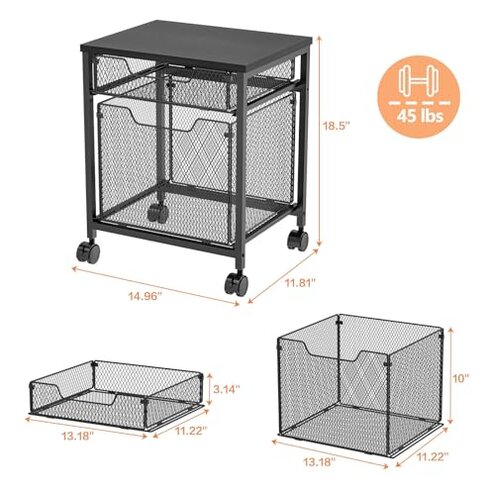
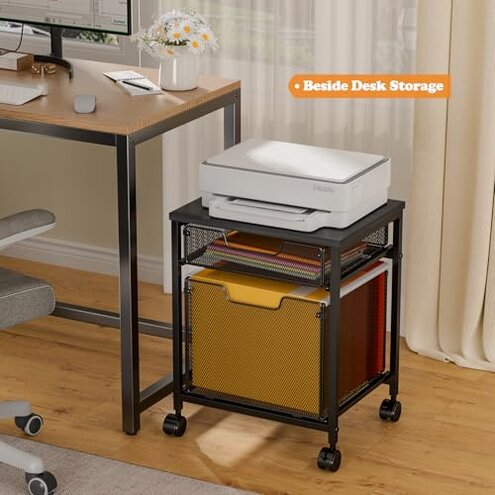
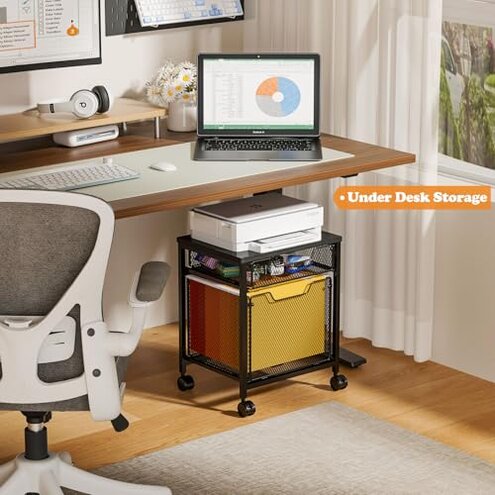
Size mismatch is among the most common complaints because the cabinet looks more capable in listing photos than it feels in a real workspace. The regret usually hits after setup, when buyers try to fit a printer, supplies, and hanging files at the same time.
Recurring pattern appears in feedback from buyers using it as a main file cabinet rather than a light side cart. That feels worse than normal for this category because even compact mid-range carts usually leave a bit more margin for cords, paper stacks, or bulky accessories.
- Early sign: The compact footprint becomes obvious as soon as you place it beside a desk or under one.
- Primary issue: The narrow width and short height make it easier to run out of room during daily office use.
- Usage moment: It worsens when a printer sits on top and the drawers also need to hold folders and extra supplies.
- Trade-off: The small footprint helps in tight spaces, but storage flexibility drops faster than many buyers expect.
- Mitigation: It works better if you treat it as a light-duty organizer, not a full file cabinet replacement.
Illustrative: “It fits the corner, but not the stuff I bought it for.” Primary pattern.
Do the drawers and frame feel annoyingly fussy during assembly?
- Pattern strength: Assembly friction is a primary issue, appearing repeatedly across feedback tied to first-time setup.
- When it shows up: The problem starts during assembly, especially when buyers try to square the frame and align the drawers.
- What buyers notice: Parts can feel slightly off, which adds extra steps before the cabinet feels usable.
- Why it stings: This category normally expects simple build time, so repeated adjustment feels more disruptive than expected.
- Hidden requirement: You may need more patience, careful tightening order, and occasional re-loosening than the easy-assembly claim suggests.
- Daily impact: If setup is not perfectly aligned, drawer movement can stay uneven after the cabinet is already built.
- Fixability: Some buyers improve it by rebuilding or re-leveling parts, but that is extra effort many did not plan for.
Illustrative: “I had to loosen everything and start the drawer section again.” Primary pattern.
Does it feel shaky when you roll it or load it up?
Stability concern is a secondary issue, but it is more frustrating when it happens because it changes how safe the cabinet feels in daily use. Buyers tend to notice it after assembly and more clearly once a printer or files add weight.
Not universal, but the pattern persists enough to matter for anyone expecting a planted, solid cart. That is a higher-than-normal category risk because wheeled office carts are expected to move without feeling flimsy during ordinary repositioning.
- Context: The wobble is more noticeable when rolling over floor seams or pulling a loaded drawer.
- Severity cue: It is less frequent than assembly complaints, but more frustrating once the unit holds heavier office items.
- Buyer effect: The cabinet can feel like something you need to handle gently instead of using casually.
- Mitigation: Keeping the load lighter and locking the casters helps, but does not fully change the base feel for some users.
Illustrative: “Fine if untouched, but less solid when I move it around.” Secondary pattern.
Will it hold up if you open drawers all the time?
- Long-term worry: Drawer smoothness is a secondary issue that shows up during repeated daily handling, not just on day one.
- Usage trigger: It becomes more obvious in work setups where the top drawer and file drawer are opened many times each day.
- Buyer notice: Movement can feel less smooth or less aligned than expected for routine office storage.
- Category contrast: Some resistance is normal in budget furniture, but this can feel more persistent than typical mid-range options.
- Practical cost: Small annoyances add up because a filing cart is touched constantly, not occasionally.
- Attempted fixes: Re-tightening hardware or redistributing weight may help, but it does not always remove the rough feel.
Illustrative: “It works, but I never get a clean glide from the drawers.” Secondary pattern.
Who should avoid this
- Avoid it if you need a true everyday file cabinet, because the compact size is less forgiving than normal for all-in-one office storage.
- Avoid it if assembly mistakes frustrate you, since setup alignment appears repeatedly and can affect how the drawers feel later.
- Avoid it if you plan to park a heavier printer on top and move the cart often, because stability concerns show up under real load.
- Avoid it if you expect smooth drawers with no tinkering, because that daily-use friction is more common than buyers expect.
Who this is actually good for
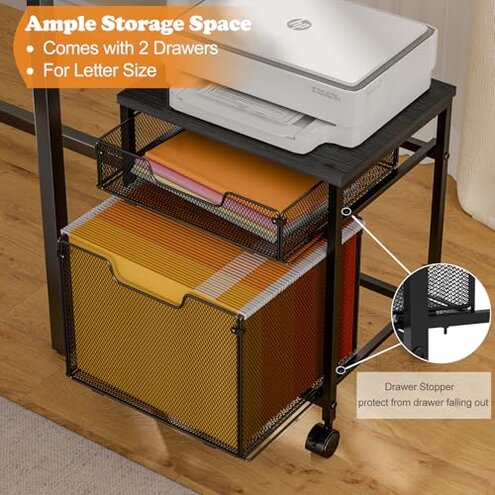
- Good fit for small-space users who only need a compact side cart and can accept limited storage.
- Good fit for patient assemblers who do not mind re-adjusting parts to get the frame and drawers lined up.
- Good fit for light-duty office use where the top holds smaller equipment and the drawers are not opened constantly.
- Good fit for buyers prioritizing a lower entry price and wheels over a more solid cabinet feel.
Expectation vs reality
Expectation: A rolling file cart should be compact but still hold the basics comfortably.
Reality: This one can feel tighter than expected once files, supplies, and a printer share the same footprint.
Expectation: Easy assembly is reasonable for this category.
Reality: Setup friction appears more often than expected, and poor alignment can carry into daily drawer use.
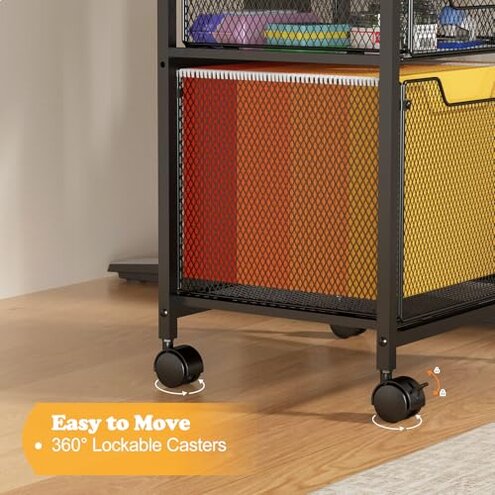
Expectation: Locking wheels should make it feel stable enough for routine movement.
Reality: Loaded movement can feel less confidence-inspiring than many mid-range alternatives.
Safer alternatives
- Choose wider if your main risk is storage disappointment, because a broader top and deeper drawers reduce the small-footprint squeeze.
- Choose preassembled or simpler-build carts if you want to avoid the hidden requirement of careful frame alignment.
- Choose heavier-duty file carts if you plan to move a loaded printer stand often, since extra weight usually improves planted feel.
- Choose smoother-slide drawer designs if daily access matters more than compact size.
The bottom line
Main regret comes from the gap between the tidy look and the real-world experience of limited space, touchy assembly, and only okay stability. Those risks feel worse than normal because this category is usually bought for simple, low-friction organization. Verdict: skip it if you want a primary file cabinet or a sturdy rolling printer stand, and consider it only for light-duty use in a tight space.
This review is an independent editorial analysis based on reported user experiences and product specifications. NegReview.com does not sell products.