
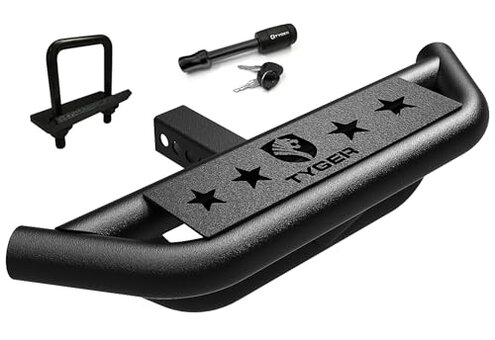
Product evaluated: Tyger Auto TG-HS8U81238 Hitch Armor Compatible with Vehicles with 2" Hitch Receiver | Textured Black | Hitch Step | Rear Bumper Guard Protector | with Pin Lock and Stabilizer
Related Videos For You
Easy Hitch Step - Access Your truck bed easily - Best Hitch Step for Truck Beds and Trailers
How To Fix Your Parking Sensors For FREE *Works On EVERY CAR*
Data basis: This report draws from dozens of buyer feedback entries collected from written reviews and video demonstrations between 2023 and 2026. Most feedback came from written owner reports, with smaller support from setup clips and follow-up usage comments, which helps show both first-install frustration and day-to-day use issues.
| Buyer outcome | This product | Typical mid-range alternative |
|---|---|---|
| Install confidence | Higher risk of extra fit checks because it only fits a 2-inch receiver and the included lock may need replacement on wider hitch tubes. | Usually simpler if hardware length matches more vehicle setups out of the box. |
| Sensor behavior | Above-normal risk of backup sensor interference, especially after setup on vehicles with sensitive rear alerts. | Less common to need sensor workarounds in this price tier. |
| Daily convenience | Mixed because rear access stays open, but any looseness or fit mismatch adds extra adjustment time. | More predictable once installed correctly. |
| Vehicle compatibility | Narrower tolerance than many buyers expect from a hitch accessory in this class. | Usually more forgiving across common receiver tube variations. |
| Regret trigger | Buying for easy protection and then discovering hidden fit limits or sensor annoyance during normal driving. | More often regret comes from looks or price, not basic setup friction. |
Did you expect a quick install, then hit fit problems?
This is the primary issue. The regret moment usually happens during first setup, when buyers realize the fit is more conditional than the listing impression suggests.
The trade-off is clear: you get a heavy rear step and guard, but several feedback patterns describe extra effort before it feels secure. That is more disruptive than expected for a basic hitch accessory.
- Pattern: Recurring complaints center on compatibility limits, not universal failure, but they appear repeatedly across setup-focused feedback.
- When: Right away, the issue shows up as soon as buyers slide it into the receiver and try the included pin lock.
- Hidden requirement: Important fine print says the free pin lock fits up to a 3-inch outer hitch tube diameter, and wider setups need a longer lock.
- Impact: Extra steps can mean pausing the install, measuring the hitch, and buying replacement hardware before use.
- Why worse: Typical mid-range hitch steps still require fit checks, but fewer buyers expect to replace the included lock on day one.
Illustrative excerpt: “It slid in fine, but the lock hardware was the problem.”
Pattern level: This reflects a primary setup complaint.
Will it trigger annoying backup warnings?
This is a secondary issue. It matters most after installation, when you shift into reverse and the vehicle starts reacting to the step.
The frustration is less frequent than fit trouble, but more irritating when it happens because it affects every parking move. In this category, that feels worse than normal because the problem repeats during daily driving.
- Frequency tier: Persistent secondary concern, with the product notes themselves admitting it may interfere with backup sensors in some cases.
- Usage moment: During reversing, especially in tight parking or garages, false alerts can become part of routine use.
- Buyer impact: Annoyance builds because the driver may need to ignore warnings or mentally filter sensor noise.
- Why it stings: Protection gear is supposed to add confidence, not create a new daily distraction.
- Category contrast: Some sensor conflict is known with rear accessories, but this risk is more important here because the guard sits where rear systems pay attention.
- Fixability: Limited if your vehicle’s sensors are especially sensitive, since the issue comes from the installed position itself.
Illustrative excerpt: “Every reverse move started with beeping after I installed it.”
Pattern level: This reflects a secondary daily-use complaint.
Are you paying for protection that may be overkill for your use?
This issue is not universal. It tends to show up after setup, when buyers compare the size and weight to how often they actually use the rear step.
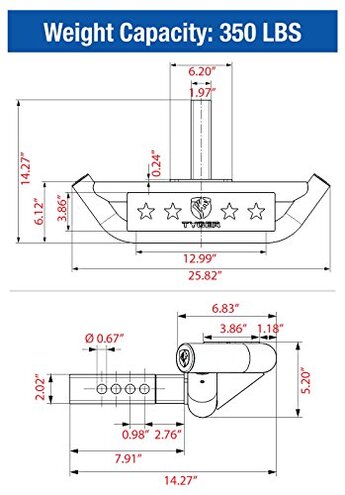
The downside is not that it looks weak. It is that the 15.31-pound unit and 30-inch by 20-inch footprint can feel like more hardware than casual users wanted.
That matters because a typical mid-range hitch step aims for easier live-with convenience. This one leans more toward presence and protection, which can feel less forgiving if you only wanted a simple step.
- Signal: Commonly reported buyer hesitation comes from the product being substantial rather than minimal.
- When noticed: First handling and reinstall situations make the size and weight easier to feel than pictures suggest.
- Trade-off: Heavy-duty build helps rear protection, but it also adds more bulk at the back of the vehicle.
- Real effect: Casual users may decide they do not need this much step and guard for occasional access.
- Category contrast: Mid-range alternatives often sacrifice some protection to stay simpler and easier to live with.
- Fixability: Low because this is a design choice, not an adjustment problem.
- Best clue: If you rarely use the hitch area, the size can feel more like permanent clutter than a useful add-on.
Illustrative excerpt: “Built solid, but bigger and more involved than I needed.”
Pattern level: This reflects a secondary expectation mismatch.
Are you assuming one accessory will fit every 2-inch setup cleanly?
- Reality check: Edge-case but persistent complaints come from buyers who focus only on the 2-inch receiver requirement and miss the outer tube lock limit.
- When it appears: Before use, the problem shows up during hardware alignment, not after months of wear.
- Why confusing: The core fit sounds simple, but the lock hardware note adds a second compatibility condition.
- Buyer cost: More time goes into measuring, comparing hitch dimensions, and sometimes sourcing a longer pin lock.
- Category baseline: Reasonable for this category is needing the right receiver size, but needing extra attention to outer tube diameter feels worse than expected.
- Regret pattern: Less frequent than sensor issues, yet more frustrating when buyers discover it after delivery.
- Mitigation: Check both the receiver opening and the hitch tube outer diameter before purchase.
- Bottom impact: Avoidance-worthy if you want truly no-surprise installation.
Illustrative excerpt: “I checked receiver size, but missed the lock clearance issue.”
Pattern level: This reflects an edge-case but repeatable fit oversight.
Who should avoid this
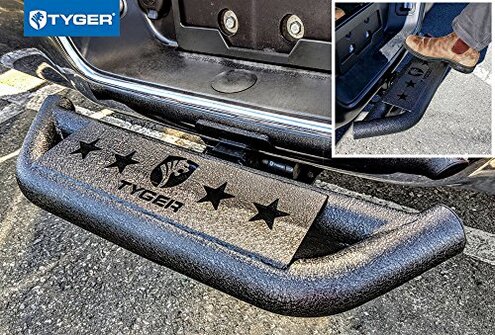
- Avoid it if you want a one-box install with no extra measuring, because the included lock has a clear size limit.
- Avoid it if your vehicle has sensitive backup sensors, since interference is a known risk during normal reversing.
- Avoid it if you only need a light-duty step, because the size and weight can feel like more hardware than necessary.
- Avoid it if you dislike fit uncertainty, since this category usually tolerates some setup checks, but here the hardware caveat matters more than usual.
Who this is actually good for
- Good fit for buyers who want rear protection first and are willing to verify hitch dimensions before ordering.
- Good fit for drivers who can tolerate possible sensor trade-offs because bumper guarding matters more than reverse-alert convenience.
- Good fit for owners who prefer a substantial step and do not mind a heavier, more visible rear accessory.
- Good fit for people comfortable with minor install problem-solving, including replacing hardware if their hitch setup needs it.
Expectation vs reality
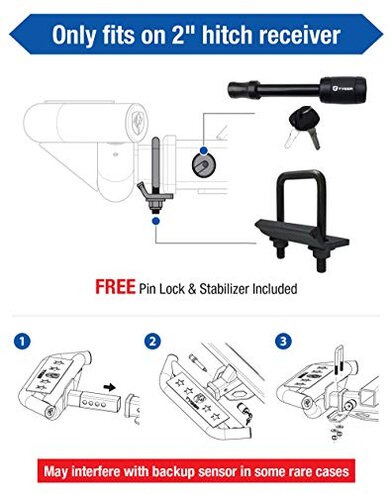
Expectation: A 2-inch hitch accessory should be simple to match if your receiver size is correct.
Reality: Fit can still stall because the included lock has its own width limit, which is worse than many buyers expect.
Expectation: A rear guard should add peace of mind during parking.
Reality: Some vehicles may treat it like an obstacle, creating repeat alerts instead of reassurance.
Expectation: Heavy-duty construction means better value.
Reality: For lighter needs, the bulk itself becomes the downside, especially if you rarely use the step.
Safer alternatives
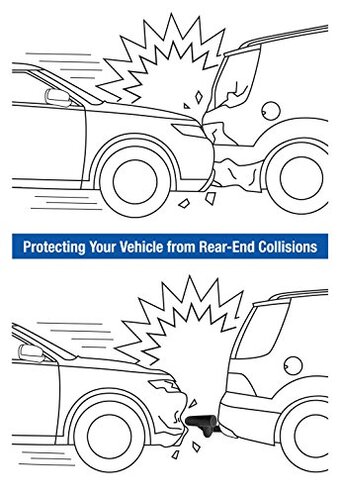
- Prioritize listings that state wider hardware compatibility, not just receiver size, to avoid the hidden pin-lock requirement.
- Look for designs with sensor-friendly spacing or clear vehicle-fit guidance if your backup system is sensitive.
- Choose a lighter hitch step if your goal is occasional footing, not full rear guard coverage.
- Measure first for both inner receiver size and outer hitch tube dimensions before buying any rear accessory.
The bottom line
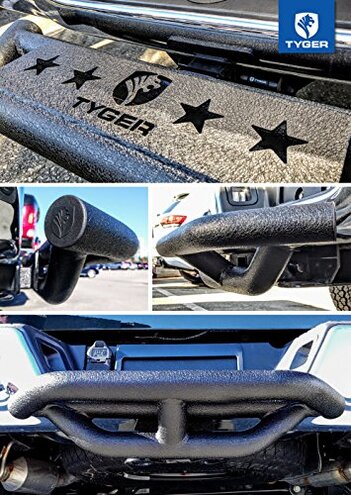
Main regret trigger: Buyers often expect a straightforward hitch upgrade, then run into fit caveats or daily sensor annoyance. That exceeds normal category risk because the extra hassle can start at installation and continue every time you reverse. Verdict: Skip it if you want low-effort compatibility; consider it only if you value rear protection enough to accept setup checks and possible trade-offs.
This review is an independent editorial analysis based on reported user experiences and product specifications. NegReview.com does not sell products.