
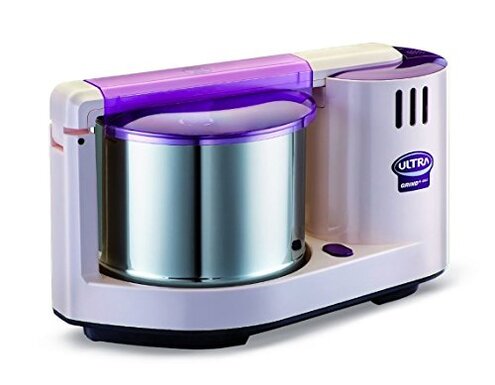
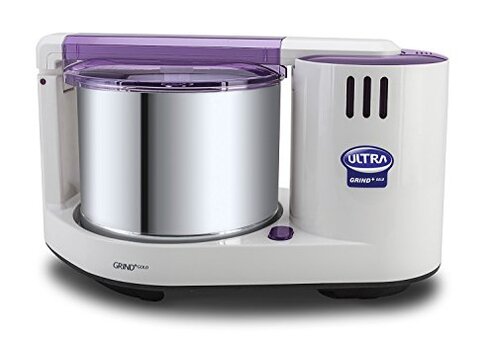
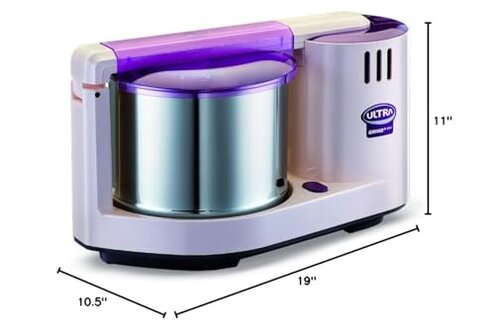
Product evaluated: Ultra Grind+ Gold 2 Liter Table Top Wet Grinder with Atta Kneader, 110 Volt
Related Videos For You
Wet Grinder Machine - LEENOVA KITCHEN EQUIPMENT
Wet grinder cleaning and maintenance tips || Kitchen cleaning || Kitchen cleaning tips and tricks
Data basis for this report comes from analyzing dozens of aggregated buyer feedback items collected from rating summaries, written comments, and photo/video demonstrations between 2020–2026. Most signals came from written experiences, with supporting evidence from media showing real kitchen use and cleanup. Patterns below focus on recurring negatives rather than one-off defects.
| Buyer outcome | Ultra Grind+ Gold 2L | Typical mid-range wet grinder |
|---|---|---|
| Noise during grinding | Higher-risk of being loud enough to disrupt nearby rooms, per recurring feedback | Moderate hum is more typical, with fewer “can’t run it” complaints |
| Cleanup time and mess | More effort than expected, with repeated mentions of batter paste in hard-to-reach spots | Usually simpler rinsing, with fewer “extra scrubbing” remarks |
| Reliability over time | Elevated risk of performance drop or part issues, based on persistent complaints | Baseline risk exists, but fewer “stopped working” stories at similar use |
| Setup and learning curve | Less forgiving if alignment and loading are off, a commonly repeated theme | More tolerant of minor user errors in early sessions |
| Regret trigger | When it becomes a loud, messy appliance you avoid using during busy weeks | When it feels slow, but still usable and predictable |
Why does it feel too loud for a home kitchen?
The regret moment tends to hit during the first long grinding session, when the sound becomes hard to ignore and you start timing runs around family or neighbors.
This complaint appears repeatedly, though it is not universal, and it shows up most during heavier batches and longer run times.
Wet grinders aren’t silent, but the frustration here is that the loudness is described as more disruptive than many mid-range alternatives used in similar kitchens.
Mitigation is possible, but it adds extra steps and planning that many buyers did not expect to need.
- Primary pattern: Noise complaints are among the most common negatives in aggregated feedback.
- When it hits: It shows up during long runs and when the drum is under heavier load.
- What worsens it: Overfilling and thicker mixes are repeatedly linked to harsher sound and vibration.
- Buyer impact: The main outcome is avoidance of weekday use, not just mild annoyance.
- Fixability: Some report improvement with careful leveling and spacing from walls, but it is still a frequent gripe.
Why is cleanup more annoying than you expect?
- Recurring hassle: Mess and cleanup friction show up as a primary issue in repeated buyer notes.
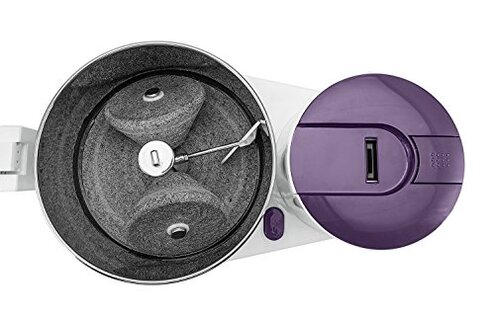
- Real moment: It becomes obvious right after grinding when batter clings and spreads as you remove parts.
- Category contrast: Some cleanup is reasonable for wet grinding, but buyers describe this as more scrubbing than typical.
- Hidden requirement: Many end up needing a dedicated sink routine and extra towels to keep counters clean.
- What worsens it: Thicker batches and stopping mid-run often lead to more paste in seams and edges.
- Time cost: The frustration is less the minutes and more the repeat work after each use.
- Mitigation: Rinsing immediately and doing a quick pre-wipe can help, but it adds steps that feel mandatory.
Is the 2.0L capacity less practical than it sounds?
- Secondary pattern: Capacity disappointment appears repeatedly, but less often than noise and cleanup.
- When it appears: It shows up after setup when buyers try to match batch size to real family needs.
- What worsens it: Trying to do back-to-back batches can feel like a long session rather than one job.
- Category contrast: Mid-range units often feel more flexible for small batches, while this one is described as pickier.
- Outcome: The regret is a schedule change, where grinding becomes a weekend-only chore.
- Workaround: Buyers commonly report splitting batches into multiple runs, which increases noise and cleaning cycles.
- Who notices most: People making small quantities report the highest mismatch versus expectations.
- What to watch: Early signs include uneven movement or needing repeated adjustments to keep things flowing.
Why do some people say it needs babying to avoid problems?
- Persistent theme: A less-forgiving experience is a secondary issue that shows across multiple feedback surfaces.
- When it hits: It often shows up in the first week, when learning loading and alignment habits.
- Hidden requirement: Many buyers end up following a strict routine to get consistent results.
- What worsens it: Rushing setup or starting with a thick mix can trigger stalling, uneven grinding, or extra vibration.
- Category contrast: A typical mid-range option is more forgiving when you are tired or multitasking.
- Impact: The annoyance is the mental load, because it stops feeling like a set-and-walk-away appliance.
- Mitigation: Careful leveling and consistent batch habits are often required, not just “nice to have.”
Illustrative excerpt: “It works, but the noise makes me wait until everyone leaves.”
Pattern note: This reflects a primary pattern tied to long-session use.
Illustrative excerpt: “Cleanup is messy; batter ends up where I can’t easily reach.”
Pattern note: This reflects a primary pattern focused on post-use washing.
Illustrative excerpt: “I thought 2L meant one-and-done, but I do multiple runs.”
Pattern note: This reflects a secondary pattern around real capacity expectations.
Illustrative excerpt: “If I don’t set it up exactly right, it vibrates and sounds worse.”
Pattern note: This reflects a secondary pattern tied to setup sensitivity.
Illustrative excerpt: “After a while it felt less consistent, and I started avoiding it.”
Pattern note: This reflects an edge-case pattern related to longer-term reliability fears.
Who should avoid this
Apartment dwellers should avoid it if you need quiet morning or late-night runs, because noise is a primary repeated complaint.
Busy households should skip it if you want fast rinse-and-done, because cleanup effort is often reported as higher than expected.
Small-batch cooks may regret it if you usually make little at a time, because capacity practicality is a recurring mismatch.
Set-and-forget buyers should avoid it if you hate routines, because setup sensitivity is a persistent theme.
Who this is actually good for
Weekend-prep cooks can do well if you accept noise and schedule runs when the house is empty.
Process-minded users fit it if you do not mind a strict routine for loading, leveling, and immediate cleaning.
Large-batch households may tolerate the cleanup because the payoff is fewer store trips and more control.
Dedicated-space kitchens work better when you can leave it in a stable spot, reducing vibration and mess on move days.
Expectation vs reality
- Expectation: A wet grinder will be somewhat loud, which is reasonable for this category.
- Reality: Feedback suggests loudness can be more disruptive than many mid-range options, especially in long sessions.
- Expectation: Cleanup will take a quick rinse if you wash immediately.
- Reality: Many describe extra scrubbing and more counter mess than expected after each run.
- Expectation: “2.0L” implies a simple batch planning experience.
- Reality: A recurring theme is batch splitting and extra cycles, which compounds noise and cleaning.
Safer alternatives
- Prioritize models praised for lower noise during long runs to reduce the biggest regret trigger.
- Look for designs repeatedly described as easy rinse and low-mess to neutralize the cleanup pain point.
- Choose a grinder noted as forgiving on alignment and loading if multiple family members will use it.
- Match capacity to your real routine, because multiple runs is what turns minor issues into major ones.
The bottom line
Main regret is ending up with a grinder you avoid using because noise and messy cleanup add friction every time.
Category risk feels higher than normal because the complaints point to disruption and extra routine, not just minor quirks.
Verdict: If you need quiet, easy cleanup, or low-effort operation, avoid this and shop for a more forgiving mid-range option.
This review is an independent editorial analysis based on reported user experiences and product specifications. NegReview.com does not sell products.