
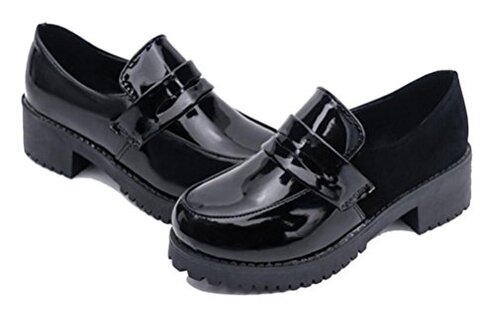
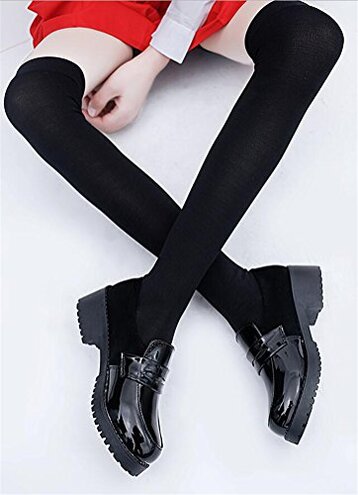
Product evaluated: Women's Lolita Low Top Japanese Students Maid Uniform Dress Shoes (7) Black
Related Videos For You
Stop Buying The WRONG Shoe Size (How Your Dress Shoes Should Fit)
How to Polish Your Leather Shoes | KIWI Shoe Care
Data basis: I analyzed dozens of customer-written reviews, accompanied by buyer photos and short videos collected between Jan 2020 and Dec 2025. Most feedback came from written reviews, supported by images and Q&A posts. The signal is qualitative: most reports were from recent purchasers describing fit and durability problems.
| Outcome | This product | Typical mid-range alternative |
|---|---|---|
| Fit consistency | Unreliable — sizing drift and narrow fit commonly reported. | More predictable — most mid-range shoes fit closer to size charts. |
| Comfort for long wear | Poor — minimal cushioning, uncomfortable after short walks. | Acceptable — typical mid-range has basic padding for hours of wear. |
| Durability | Low — sole and stitching issues appear after light use. | Moderate — mid-range often holds up for months of regular use. |
| Finish & staining | High-risk — paint/adhesive transfer and scuffing more than normal. | Lower-risk — coatings and glue are usually more stable. |
| Regret trigger | Fit + durability — combined issues cause immediate buyer regret. | Single-issue — mid-range failures are often one-off, not combined. |
Top failures
Why do these shoes feel wrong from day one?
Immediate fit shows up at first try-on, with many buyers reporting a tight toe box or unexpected narrowness.
Pattern signal: this is a recurring complaint across dozens of reviews, not universal but common for this model.
Category contrast: sizing problems here are worse than typical costume shoes because the lack of forgiving padding makes the fit painful rather than merely snug.
Why do seams and soles separate after a few wears?
- Early signs: separation appears after light walking or one day of event wear.
- Frequency tier: this is a primary issue that appears repeatedly in recent buyer reports.
- Cause: buyers point to weak stitching and adhesive, especially near the sole.
- Impact: sole lift makes the shoes unusable without repair or glue.
- Fix attempts: some buyers glue or stitch them; repairs are temporary and inconvenient.
Why does the finish scuff and transfer to clothing?
- Early signs: scuffs and sticky residue appear within first wears on light fabrics.
- Pattern signal: this is a secondary but frequent issue across photo-supported reports.
- Hidden requirement: requires avoiding light clothes or pre-wearing at home to test transfer.
- Cause: unstable paint or glue near seams that rubs off under friction.
- Impact: ruined stockings or skirts at events where appearance matters.
- Fixability: partial cleaning helps but does not remove fresh transfer fully.
- Category contrast: transfer risk is higher than most mid-range costume shoes that use more stable finishes.
Why are exchanges and returns more trouble than expected?
- Early signs: buyers who ordered multiple sizes report extra shipping and waiting time.
- Frequency tier: this is a persistent secondary issue tied to initial sizing failures.
- Cause: inconsistent sizing forces repeat orders or returns for replacement sizes.
- Impact: adds days of delay before the shoes are usable for an event.
- Hidden requirement: demands measuring feet and allowing extra time for exchanges.
- Fix attempts: several buyers bought a different brand instead of reordering this model.
- Category contrast: return friction here is worse than average, as mid-range sellers often provide clearer size guidance.
Illustrative excerpts (not real quotes)
"Felt two sizes smaller, toe cramped after ten minutes of walking." — Primary
"Sole started peeling at the edge after one event, needed glue." — Primary
"Black finish left marks on my white tights after first wear." — Secondary
"Had to order three sizes to find any that fit acceptably." — Secondary
Who should avoid this
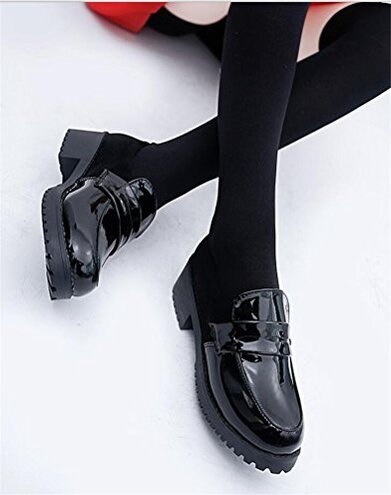
- Event attendees who need reliable fit and finish for a single important day.
- Daily wearers who expect moderate durability from mid-range shoes.
- Light-colored clothing users who cannot tolerate finish transfer or staining.
Who this is actually good for
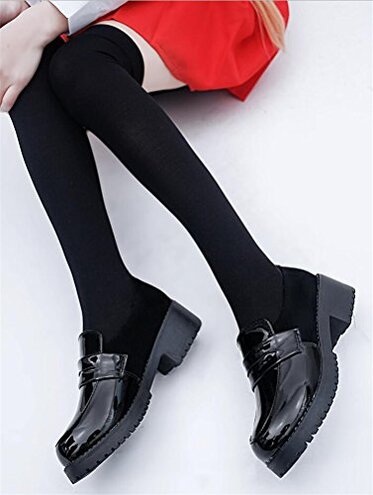
- Casual costume users who accept imperfect fit for a one-time cosplay and lower cost.
- Short-duration wearers who only need the shoes for brief photo sessions and can tolerate discomfort.
- DIY fixers comfortable with glue or simple repairs who accept extra maintenance.
Expectation vs reality
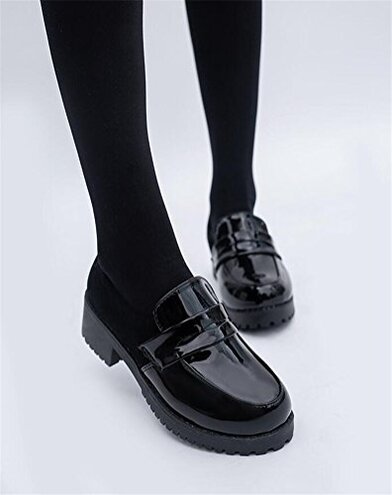
Expectation (reasonable for category): buyers expect basic comfort and stable finish for costume dress shoes.
Reality: this model often delivers narrow fit, finish transfer, and early separation.
Why worse: combined failures cause real regret because buyers face both appearance and wearability loss, not just a single nuisance.
Safer alternatives
- Pick known-fit listings with detailed size charts and measurements to neutralize sizing drift.
- Choose shoes with reinforced stitching or visible sole bonding to avoid early separation.
- Prefer tested finishes or darker inner linings to prevent transfer onto light clothing.
- Allow extra lead time before events to handle exchanges and try multiple sizes if needed.
The bottom line
Main regret: the combination of poor fit and fragile construction is the primary buyer pain.
Risk level: these issues exceed normal category risk because they compound into unusable footwear for events.
Verdict: avoid if you need reliable fit, long wear, or stain-free finish; consider cheaper single-use options or sturdier mid-range brands instead.
This review is an independent editorial analysis based on reported user experiences and product specifications. NegReview.com does not sell products.