
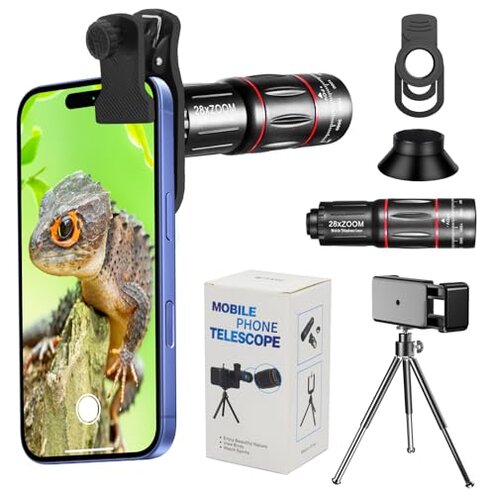
Product evaluated: Phone Camera Lens Kit Upgraded Version Telephoto 28X Wide Angle 0.6X Macro 20X Fisheye
Related Videos For You
60mm portrait lens and ND filter for samsung s25 ultra phone cage!
6 ESSENTIAL Tips for Taking Care of your Camera Lenses
Data basis: We examined dozens of written reviews and several video demonstrations collected between Jan 2023 and Jan 2026. Most feedback came from written reviews, supported by hands-on videos and Q&A notes.
| Outcome | This product | Typical mid-range |
|---|---|---|
| Image clarity | Soft/blurred at telephoto and macro distances, especially handheld. | Acceptable sharpness with minor edge softness but usable handheld. |
| Compatibility | Phone fit issues with multi-camera phones and cases, often unusable without adjustments. | Broad fit or simple adapters for most phones. |
| Ease of use | Steep setup and frequent re-alignment during real use. | Smoother setup and fewer mid-shoot adjustments. |
| Durability | Fragile mounts and threads that loosen after repeated use. | More robust mounts or protective cases in the mid-range. |
| Regret trigger | Frequent unusability for telephoto/macro without tripod or heavy tweaking. | Occasional limits but generally usable handheld for casual shots. |
Why are my photos blurry even when I think I'm aligned?
Regret moment: You aim for a distant subject and get a soft, washed-out photo.
Pattern: This is a primary issue that appears commonly across written feedback and videos.
When it shows up: Blurring occurs on first use and worsens during handheld shooting or long sessions without a tripod.
Category contrast: Blurring is more disruptive than expected because mid-range phone lenses usually deliver usable handheld telephoto shots.
Does this kit work with multi-camera phones and cases?
- Compatibility note: Many buyers report the lens does not align on phones with multiple rear cameras.
- Usage anchor appears: Problem shows up immediately during setup when the phone switches lenses or when the clip covers another camera.
- Frequency tier signal: This is a primary complaint, seen repeatedly across device types.
- Why worse than normal: Typical kits offer adapters or clearer guidance; this product often requires trial-and-error.
Is the macro and fisheye performance usable for close work?
- Early sign: Macro needs near-contact focus, making framing hard without practice.
- Cause: The macro's advertised magnification requires a 1–2mm working distance, which is impractical for most handheld users.
- Impact: Close-ups are often out of focus or clipped, producing frustrating results.
- Attempts: Buyers commonly report repeated retries and re-takes during the same shoot.
- Fixability: Results improve with a steady mount or macro rig, but that's extra cost and time.
- Pattern: This counts as a secondary issue—less frequent than blur but more painful when it occurs.
Will this kit survive regular use or travel?
- Build concern: Clips and threads are reported to loosen after multiple attachments.
- Hidden requirement: The kit often needs a tripod or careful handling to avoid stress on mounts.
- Early sign: Looser fit appears after a few uses when switching phones or cases.
- Frequency tier: Durability complaints are a secondary but persistent pattern.
- Cause: Lightweight materials and small threaded parts wear faster than mid-range alternatives.
- Impact: Loosened lenses cause wobble and misalignment, worsening image quality over time.
- Workaround: Some users tape or pad the clip, which reduces convenience and voids warranties.
Illustrative excerpts
Illustrative excerpt: "Attachment shifted mid-shot so the telephoto blurred the whole concert." — primary
Illustrative excerpt: "Macro needs to be almost touching the lens; framing was impossible." — secondary
Illustrative excerpt: "Clip loosened after a week of travel and never fit the same." — secondary
Who should avoid this
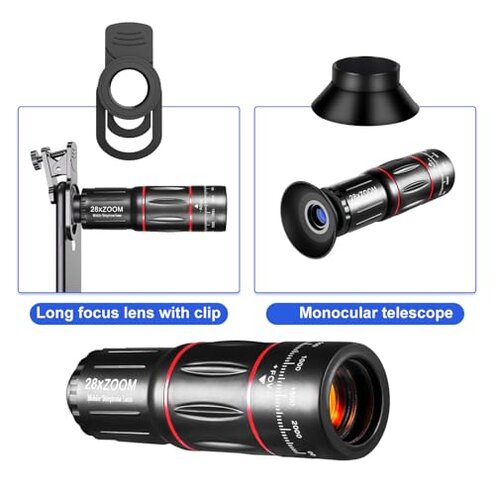
- Frequent traveler who needs durable gear should avoid this because mounts loosen with regular handling.
- Casual user wanting simple point-and-shoot telephoto results should avoid this due to handling and blur issues.
- Multi-camera phone owner should avoid this unless you accept repeated alignment attempts and case removal.
Who this is actually good for
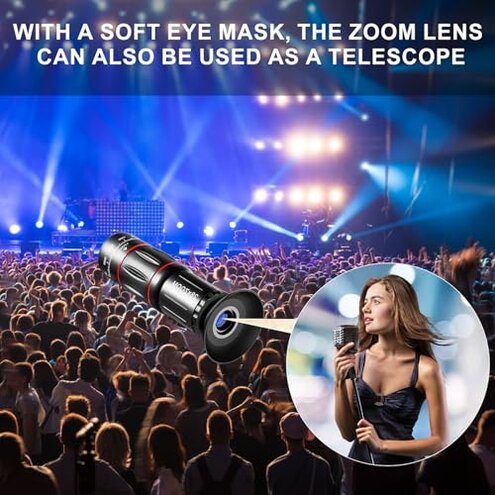
- Hobbyist tinkerers who accept extra setup and tripod use can get interesting fisheye and macro shots.
- Occasional experimenters who want low-cost optics and can tolerate lower sharpness may find value.
- Buyers on tight budgets who plan to use a tripod and manual alignment can neutralize the main flaws.
Expectation vs reality
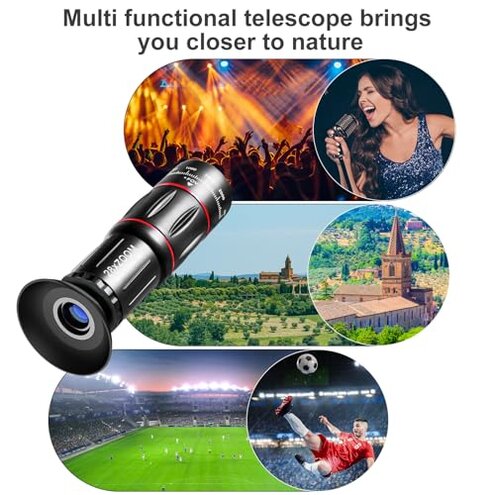
Expectation: Many buyers reasonably expect a plug-and-play telephoto that works handheld like other mid-range kits.
Reality: This kit often delivers softer images and requires tripod use, making it less convenient than category norms.
Expectation: Reasonable users expect macro to be usable for close detail without complex rigs.
Reality: The macro often demands near-contact focus and extra tools, raising time and cost.
Safer alternatives
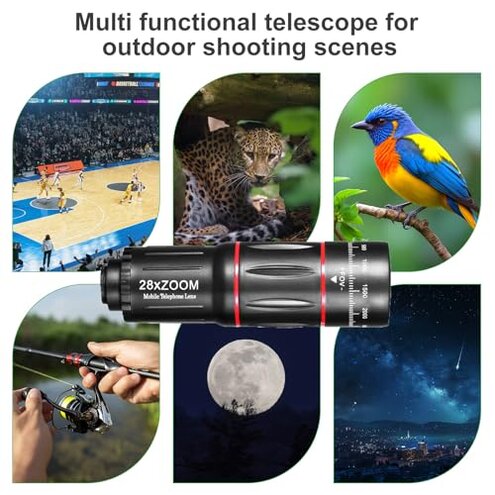
- Choose adapters with adjustable mounts to avoid the alignment failures seen here.
- Prioritize optical reviews that show real telephoto samples before buying to avoid soft-image surprises.
- Pick kits that include phone-specific clamps for multi-camera phones and cases.
- Look for robust mounts or metal clips if you travel frequently and need durability.
- Consider pro options with tripod mounts if you need stable macro or long-range shots.
The bottom line
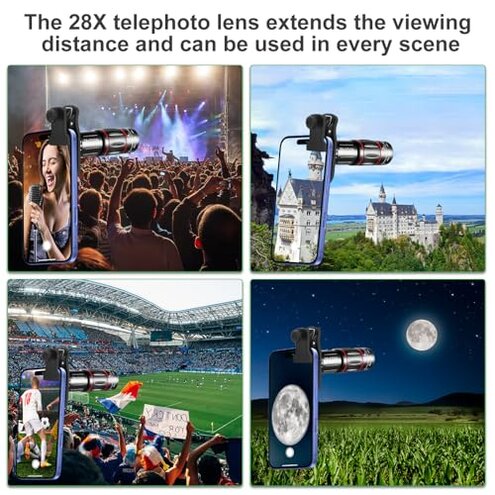
Main regret: The kit's combination of blur, fit problems, and fragile mounts creates frequent unusability for telephoto and macro work.
Why worse: These failures are more disruptive than typical mid-range lens kits because they often require extra gear and repeated alignment.
Verdict: Avoid this product if you need reliable, ready-to-use telephoto or macro performance; it suits budget hobbyists who accept extra setup.
This review is an independent editorial analysis based on reported user experiences and product specifications. NegReview.com does not sell products.