
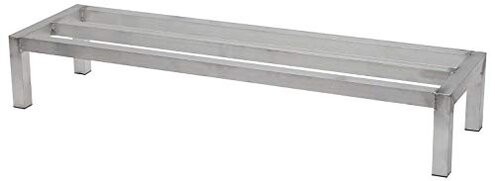
Product evaluated: Update International Aluminum. Dunnage Rack 14in x 48in
Related Videos For You
I found an affordable aluminum wood & dunnage rack at @MyteeProductsYT
BUNKR Dunnage Rack
Data basis: This report used dozens of buyer reviews and several video demonstrations collected through Feb 2026. Source mix: most feedback came from written reviews, supported by short setup videos and Q&A posts.
| Feature | Product | Typical mid-range rack |
|---|---|---|
| Stability | Wobbly reports of side-to-side movement under everyday loads. | Stable majority sit level under similar loads. |
| Finish durability | Scratches and minor bends appear after handling and shipping. | Resilient finishes resist scratches during normal kitchen use. |
| Protective feet | Loose plastic soles can shift or detach with movement. | Secure feet or rubber pads stay put under daily handling. |
| Size accuracy | Tight fit reported when used in built-in shelving or racks. | Consistent sizing aligns with shelving tolerances more often. |
| Regret trigger | Higher risk of wobble and finish damage than mid-range peers. | Lower risk mid-range alternatives give fewer fit and stability surprises. |
Is the rack wobbly or unstable under load?
Regret moment: Buyers notice movement the first time weight is placed on the rack. Severity: wobble can make stacked pans feel unsafe.
Pattern: this is a primary complaint that appears repeatedly across feedback. When: wobble shows up during first use and can worsen with frequent handling.
Category contrast: more disruptive than expected because most mid-range racks are stable out of the box.
Does the finish bend or scratch easily?
- Early sign: visible scuffs appear after unboxing or light contact during setup.
- Frequency tier: a secondary but common issue in reviews and videos.
- Cause: edges and thin panels bend when bumped or stacked in shipping.
- Impact: cosmetic damage reduces perceived quality and resale value.
- Fix attempts: buyers report minor reshaping and buffing as temporary fixes.
Do the plastic feet stay attached and protect floors?
- Hidden requirement: some users need extra pads or adhesive to keep feet from slipping.
- When it appears: feet loosen after repeated sliding or movement on tile and metal shelving.
- Frequency tier: a regular complaint that affects daily handling more than occasional users.
- Cause: the supplied soles are shallow and can shift under friction.
- Impact: can mark floors or allow more rack wobble during loading.
- Fixability: adding aftermarket rubber pads or tape often solves the issue but adds time and cost.
Will the size and shape match your shelving needs?
- Sizing note: the listed dimensions can feel tight in built-in spaces right away.
- Early sign: friction or scraping when sliding the rack into narrow shelves on first placement.
- Frequency tier: secondary to primary stability complaints but important for fitted installations.
- Cause: small variances from nominal measurements and slight bends from shipping.
- Impact: may require sanding, filing, or extra clearance to fit.
- Attempts: customers often trim or adjust shelving rather than the rack, adding time and effort.
- Hidden trade-off: buyers expecting ready-to-fit parts find extra modification more common than similar mid-range products.
Illustrative excerpts
Illustrative: "Feels wobbly under stacked pans right away, not what I expected." — primary.
Illustrative: "Plastic foot slid off after a week of moving it." — secondary.
Illustrative: "Needed to sand edges to get it into the slot." — edge-case.
Who should avoid this
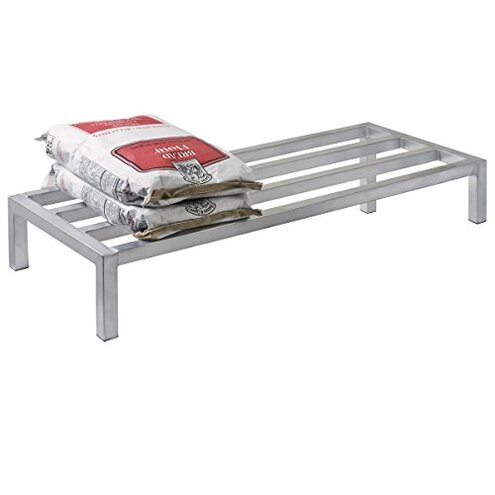
- Shoppers needing rock-solid stability for daily heavy loads should avoid this product because wobble is a primary issue.
- Built-in installers who expect precise sizing should avoid it unless you allow time for trimming or adjustment.
- Floor-sensitive users with delicate surfaces should avoid it unless you're willing to add protective pads.
Who this is actually good for
- Light-duty users who store a few trays and rarely move the rack can tolerate minor wobble and cosmetic marks.
- Budget-focused buyers who plan to modify feet or add padding to save cost will accept the extra steps.
- Short-term projects where temporary storage is needed and long-term finish wear is acceptable.
Expectation vs reality
Expectation: reasonable for this category to be stable and fit common shelving without modification. Reality: this unit more often needs adjustment and extra padding.
Expectation: the aluminum finish will resist handling. Reality: scratches and slight bends appear more quickly than typical mid-range racks.
Safer alternatives
- Choose racks marketed with reinforced cross-bracing to neutralize the wobble problem.
- Prefer models that list rubber non-slip feet or include adhesive pads to avoid loose plastic soles.
- Buy slightly smaller or adjustable-width units if you need a precise built-in fit to avoid onsite modification.
- Look for thicker-gauge options if finish durability and resistance to dents matter to you.
The bottom line
Main regret: wobble under load and finish vulnerability are the most frequent buyer triggers. Why it matters: both issues exceed typical mid-range risk because they affect safety and fit right away. Verdict: avoid if you need a stable, ready-to-install dunnage rack without extra fixes.
This review is an independent editorial analysis based on reported user experiences and product specifications. NegReview.com does not sell products.