
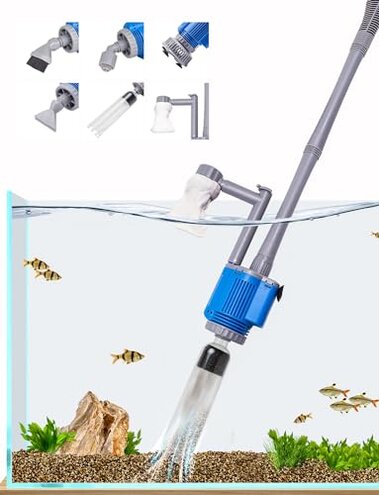
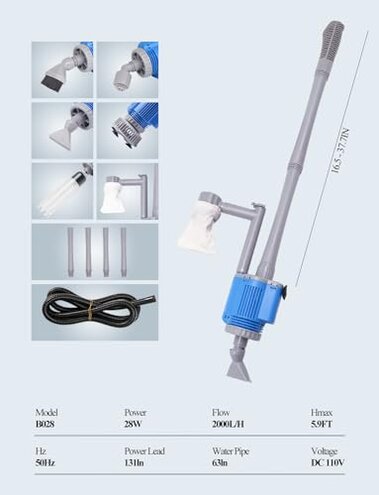
Product evaluated: UPETTOOLS Aquarium Gravel Cleaner - Electric Automatic Removable Vacuum Water Changer Sand Algae Cleaner Filter Changer 110V/28W
Related Videos For You
Aquarium Gravel Cleaner
How to Properly Gravel Vacuum a Fish Tank (Detailed Version) #aquariumcoop
Data basis: This report summarizes findings from dozens of customer accounts and several video demonstrations collected between Jan 2020 and Jan 2026. Most feedback came from written reviews, supported by videos, with a distribution favoring short usage reports and setup clips.
| Outcome | UPETTOOLS (this product) | Typical mid-range alternative |
|---|---|---|
| Suction reliability | Inconsistent — commonly reported variability during runs, sometimes strong then weak. | Steady — most mid-range units maintain consistent suction through a session. |
| Clogging & maintenance | Higher clog risk — debris and grit need frequent clearing to keep pump working. | Lower clog risk — better debris screens or simpler tubing reduce interruptions. |
| Noise and vibration | Noticeable — users report loud starts and vibration during long use. | Quieter — many mid-range competitors run with less vibration. |
| Setup & cleanup | Mess-prone — setup takes extra steps and can splash unless managed. | Simpler — typical units need fewer anti-splash or extra-hose tricks. |
| Regret trigger | Pump reliability — primary reason buyers regret this purchase when used frequently. | Operational consistency — typical regret is less frequent and less severe. |
Top failures
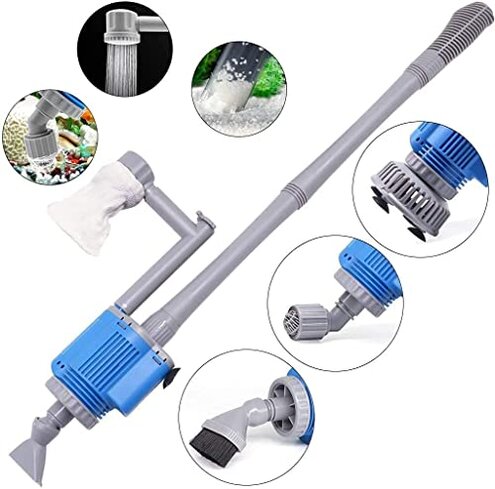
Will the pump fail or clog during regular use?
Regret moment: Many buyers report the unit loses suction mid-clean, forcing restarts during water changes.
Pattern: This is a commonly reported pattern that appears repeatedly in feedback and is most visible during longer sessions or when gravel is sandy.
Why worse than normal: Mid-range aquarium vacuums usually tolerate fine substrate without repeated stoppages, but this model needs frequent clearing, adding time and frustration.
Is setup messy, and does it require hidden steps?
- Early sign: Initial runs often produce splashing unless hose position or extra tubing is added.
- Frequency tier: This is a primary issue for many first-time users during the first use.
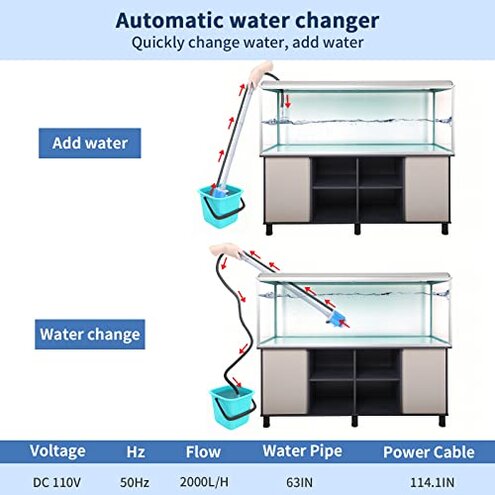
- Cause: The design needs precise hose angling and priming to avoid air gaps and backflow.
- Impact: Mess means extra towels and time, which is more than most mid-range cleaners require.
- Fixability: Users manage it with additional hose or manual priming, which adds steps and cost.
Does noise, vibration, or build quality become a problem?
- Noise level: The motor often runs loud at start and under load, noticed during 20–30 minute sessions.
- Vibration: Vibration can make the unit move on thin surfaces and transfer noise to the tank stand.
- Durability signal: Wear signs like loose fittings are a secondary pattern seen after repeated use.
- When it worsens: Problems increase with frequent, long cleaning cycles and gritty substrate.
- Category contrast: Typical mid-range models offer quieter motors or better mounts, so this feels louder than expected.
- Repair attempts: Reported fixes include tightening connectors or adding foam, which are temporary.
Will maintenance and replacement parts be a hidden burden?
- Hidden requirement: Users commonly find extra parts like replacement tubing or screens are needed to keep the unit reliable.
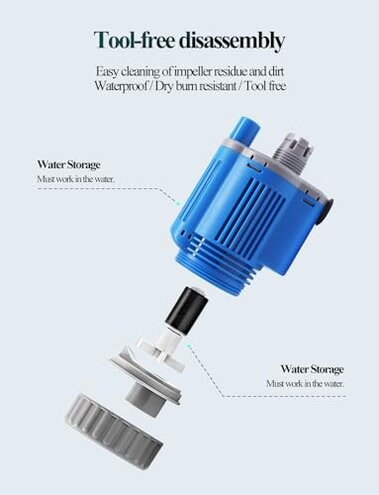
- Early sign: Flow reduction after a few uses signals the need for disassembly and cleaning.
- Frequency tier: This is a secondary issue for regular users and a primary issue for heavy tanks.
- Cause: Fine sand and detritus accumulate in valves and the intake, requiring tools to clean.
- Impact: Time and effort to maintain are higher than most mid-range alternatives.
- Attempts: Buyers report temporary fixes like filter socks or inline screens to reduce clogging.
- Fixability: Fixes often add cost and complexity, not a simple plug-and-play replace.
Illustrative excerpts (not direct quotes)
Excerpt 1: "Unit stopped sucking after ten minutes, had to clear the intake." — primary pattern.
Excerpt 2: "It splashed water all over the floor during setup." — secondary pattern.
Excerpt 3: "Motor sounds loud and vibrates on my stand." — secondary pattern.
Who should avoid this
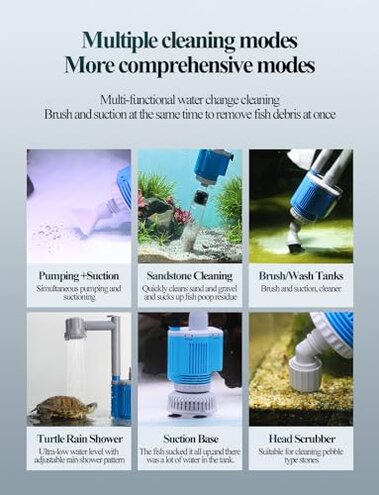
- Large tank owners: Anyone needing fast, uninterrupted water changes should avoid this if reliability matters.
- Users who dislike maintenance: If you want low upkeep, skip this due to frequent cleaning needs.
- Noise-sensitive homes: Avoid if you need a quiet motor during daytime use.
Who this is actually good for
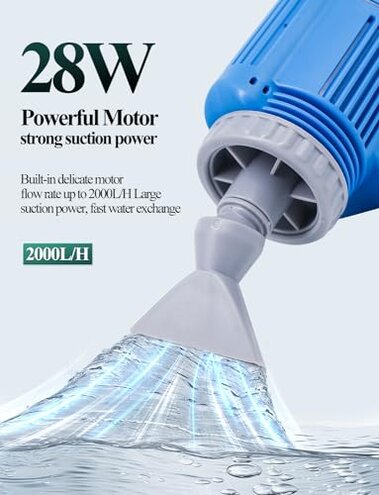
- Budget DIYers: Buyers comfortable adding hose, screens, or seals can tolerate extra setup and maintenance.
- Occasional users: People doing infrequent small water changes may accept the intermittent suction because it cuts cleaning time when it works.
- Experimenters: Users who can adapt with aftermarket tubing or filter socks will mitigate clog risk.
Expectation vs reality
Expectation: Reasonable for this category is a unit that runs a full session without manual clearing.
Reality: This model often requires stops to unclog or re-prime, which adds steps and time.
Expectation: Buyers expect simple setup and minimal splashing for a mid-range cleaner.
Reality: It commonly needs angled hoses or extra tubing to avoid mess during first use.
Safer alternatives
- Choose units with external filters: Look for models with larger debris screens to reduce clogging.
- Prefer quieter motors: Search for products advertised with low-vibration mounts for quieter operation.
- Buy extra tubing & screens: If choosing this model, plan to purchase inline screens and replacement hoses to prevent flow drops.
- Check user videos: Watch setup clips to see priming and anti-splash methods before buying.
The bottom line
Main regret trigger: The most common complaint is intermittent suction and clogging during normal cleaning sessions.
Why it matters: That failure adds time, mess, and extra parts compared with typical mid-range cleaners.
Verdict: Avoid this model if you need reliable, low-maintenance aquarium water changes; consider quieter, more clog-resistant alternatives instead.
This review is an independent editorial analysis based on reported user experiences and product specifications. NegReview.com does not sell products.