
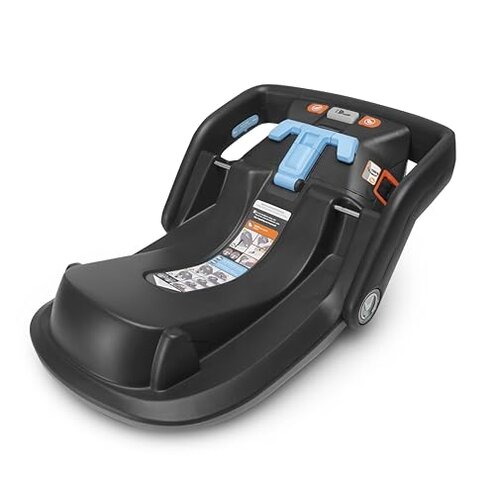
Product evaluated: UPPAbaby Extra Mesa Car Seat Base / Compatible with Mesa, V2 & V3 Infant Car Seats / SmartSecure Installation
Related Videos For You
Infant car seat installation
Data basis: This report used dozens of written reviews and several video demonstrations collected between 2016 and early 2026. Most feedback came from written product reviews, supported by demonstration videos and a few buyer Q&A posts.
| Outcome | UPPAbaby Mesa Extra Base | Typical mid-range extra base |
|---|---|---|
| Price | Higher cost (listed at $199.99), commonly reported as a primary regret for an extra base. | Lower cost, usually sold under $100 to $150 for mid-range bases. |
| Compatibility | Restricted to Mesa V1/V2/V3; buyers commonly reported unexpected incompatibility with similar models. | Broader fit with many infant seats or clearer universal notes in listings. |
| Installation friction | Mixed signals: the SmartSecure system is praised, but tension/LATCH complaints appear repeatedly during first installs. | Typical installation ease for the category; fewer persistent indicator complaints. |
| Regret trigger | High likelihood of buyer regret when compatibility is assumed or price sensitivity exists. | Lower regret risk due to cheaper cost and clearer compatibility guidance. |
What if the base doesn't fit my infant carrier?
Hidden compatibility often causes immediate regret when buyers try to use other UPPAbaby or third-party carriers. Pattern is commonly reported and not universal, but it appears repeatedly in feedback.
When it shows up is at first install or when swapping bases between vehicles, and it becomes worse if you later upgrade your stroller or seat. Why worse than typical is that most mid-range bases offer clearer universal fit guidance or are compatible with more models.
Why does the price feel unfair for an extra base?
- Price shock is a primary complaint tied to the $199.99 listing and is commonly reported by buyers expecting a cheaper spare base.
- Value mismatch appears when buyers compare features to cheaper alternatives that offer similar installation aids.
- Purchase timing often matters because many buyers discover the price only after deciding on the primary seat.
- Regret scope is higher than normal for this category because an extra base is usually a low-cost convenience, not a major expense.
Why does installation still cause headaches?
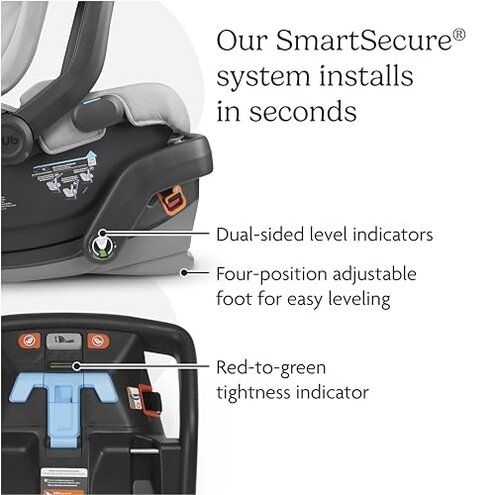
- Indicator confusion is a secondary pattern where the red/green tightness ring can be misread during first use.
- LATCH tension complaints
- Shows up during first install and when doing seat checks with babysitters or relatives.
- Worsens if you switch vehicles with shallow anchors or tight seat gaps.
- Attempted fixes often include re-threading the lower anchors and re-checking the indicator more than once.
- Category contrast is that typical mid-range bases rarely produce repeated indicator concerns for multiple installers.
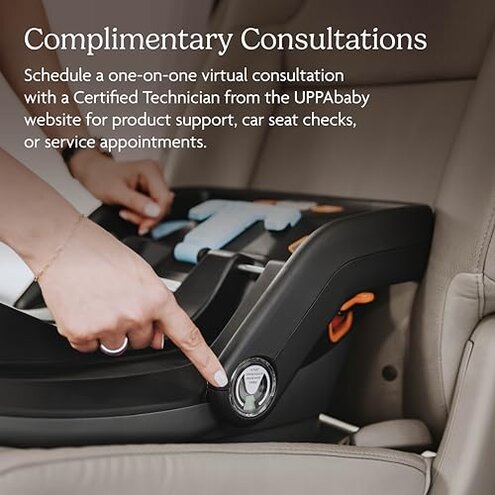
- Hidden step is the need to schedule or use the complimentary virtual consultation when unsure, which adds time and planning.
Will this hold up over time and model changes?
- Future-proof worries are a secondary pattern when families upgrade strollers or buy newer car seat generations.
- Appears after repeated use or when reselling, since restricted compatibility reduces resale appeal.
- Impact is more than usual because buyers pay near-premium but get a narrowly compatible spare.
- Attempts to reuse the base across households are often blocked by model mismatches.
- Repair needs are less reported, but the cost of replacing a narrowly compatible base is higher than typical alternatives.
- Fixability is limited; buyers usually must buy a correct-model base instead of repairing compatibility.
- Edge-case effects include extra time arranging exchanges or returns when compatibility was assumed.
Illustrative excerpts
Illustrative: "Thought it fit my other Mesa model, but it would not click into place." — Primary pattern
Illustrative: "Paid $200 for an extra base and felt sticker shock compared to alternatives." — Primary pattern
Illustrative: "Indicator stayed yellow to me during install until we used the virtual consultation." — Secondary pattern
Who should avoid this
- Buyers needing universal fit: Avoid if you want a spare base that works across multiple seat brands.
- Price-sensitive shoppers: Avoid if you expect extra bases to cost much less than the primary seat.
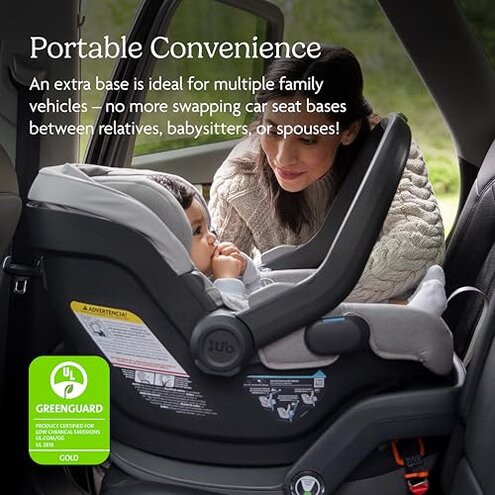
- Frequent vehicle-swappers: Avoid if you regularly move bases between cars and need foolproof installs.
Who this is actually good for
- Strict Mesa owners: Good if you already have a Mesa V1/V2/V3 and want matching design and fit.
- Families who value brand service: Good if you will use the complimentary virtual consultation and accept extra steps.
- Buyers prioritizing original-brand parts: Good if avoiding third-party bases matters more than price.
Expectation vs reality
Expectation: Buyers reasonably expect an extra base to be a low-cost, universal convenience similar to mid-range options.
Reality: The Mesa extra base is often more expensive and more narrowly compatible, which creates higher regret when compatibility is assumed.
Safer alternatives
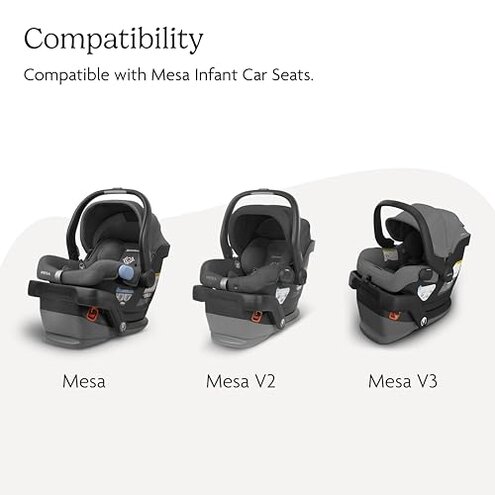
- Check model fit: Confirm exact Mesa model compatibility before buying to neutralize hidden-fit risk.
- Compare prices: Look at generic extra bases from mid-range brands to avoid the price shock problem.
- Test install: Plan a first install with the intended vehicle and user to surface indicator or LATCH issues early.
- Use consultations: Use the offered virtual check only if you accept extra setup time and scheduling.
The bottom line
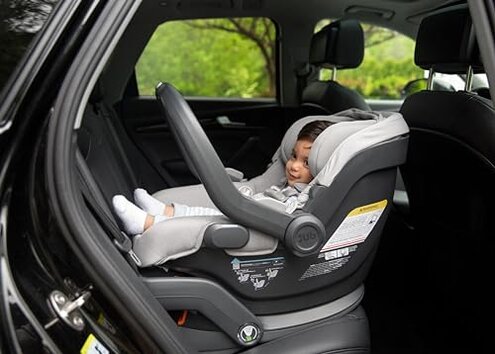
Main regret is compatibility confusion combined with a high extra-base price. Why it matters is that these two factors create more buyer regret than typical spare bases. Verdict: Avoid if you need universal fit or lower cost; consider only for current Mesa V1/V2/V3 owners who accept added setup steps.
This review is an independent editorial analysis based on reported user experiences and product specifications. NegReview.com does not sell products.