
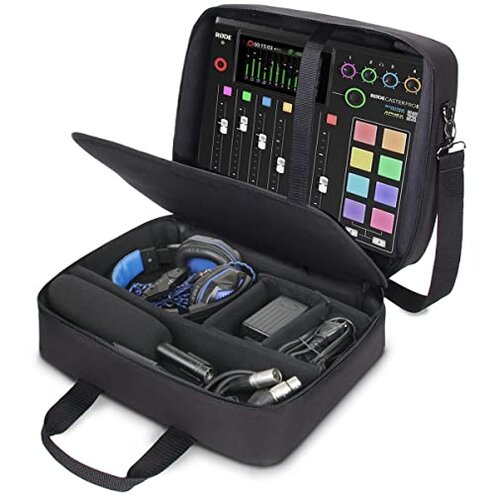
Product evaluated: USA Gear Audio Mixer Case - Podcast Mixer Travel Case with Scratch-Resistant Interior & Customizable Storage - Compatible with RODECaster Pro, RODECaster Pro II, RC Duo & More Audio Equipment (Black)
Related Videos For You
ProX Mixer Case for Behringer X32 with Doghouse and Rubber Casters
SKB RODECaster Pro Case Overview
Data basis: This report is based on dozens of buyer feedback items collected from written reviews and star ratings, supported by a smaller set of photo-backed impressions. The collection window spans 2021–2026. The signal is skewed toward text notes about day-to-day carrying, with recurring mentions around sizing, divider behavior, and how protection feels in real travel situations.
| Buyer outcome | USA Gear | Typical mid-range case |
| Fit confidence | Less predictable with certain mixer + cable loads | More consistent when sized to a single mixer footprint |
| Divider usefulness | Mixed if you carry bulky plugs and adapters | Steadier with fewer reconfigurations |
| Travel protection | Okay for careful handling, but not always “drop-proof” | More forgiving padding and structure at similar prices |
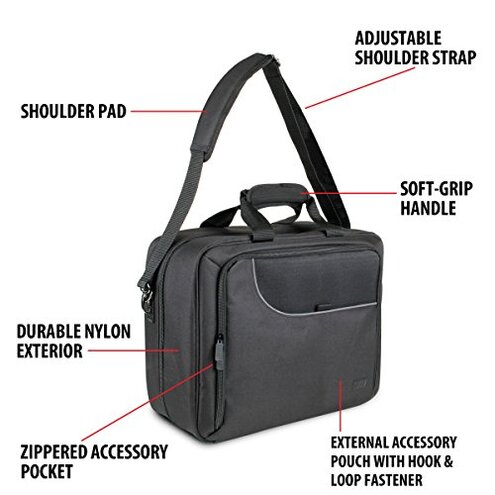
| Everyday carry | Convenient handle/strap, but setup can add steps | Simpler “grab-and-go” layouts |
| Regret trigger | Shows up fast when your loadout doesn’t match the compartments | Less often because compartments match common use cases |
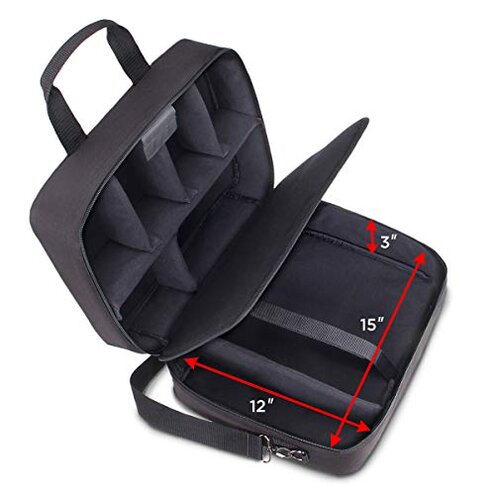
Will my mixer and cables actually fit the way I expect?

Regret moment: you pack once, zip up, and realize the lid feels tight or the layout forces awkward stacking. That trade-off is more disruptive than it sounds because it turns “protective storage” into “constant puzzle.”
Pattern: this appears repeatedly in feedback, but it is not universal, and it depends on what else you carry with the mixer.
- When it hits: it shows up on first setup when you try to pack the mixer plus power, XLR cables, and chunky adapters.
- Worse with: it gets harder with bulky connectors or if you insist on keeping everything in one case.
- Early sign: the case feels hard to zip unless cables are moved to a separate pocket or bag.
- Why it stings: mid-range cases usually have a clear “home” for the main device, but here the divider layout can feel negotiable.
- Mitigation: buyers often end up using fewer accessories inside or switching to shorter cables to reduce bulk.
- Fixability: you can improve results by reconfiguring dividers, but that adds extra steps each time your loadout changes.
- Hidden requirement: plan on doing a test pack before travel, because “compatible with” does not guarantee your full kit fits comfortably.
Illustrative excerpt: “My mixer fits, but my cables make the lid fight me.”
Signal: this reflects a primary pattern tied to packing a full kit.
Do the dividers stay helpful, or do they become annoying?
Regret moment: after a few pack-outs, you notice dividers shifting, leaving odd gaps, or forcing you to stack items. It’s a secondary issue, but it can be more frustrating than expected for this category.
- Pattern: complaints are persistent across different loadouts, though not everyone hits it.
- When it hits: it shows up during daily use when you repeatedly pull cables in and out.
- Worse with: it’s worse when you carry many small parts like adapters, dongles, or spare connectors.
- Impact: items can migrate into the main compartment, which raises scratch and pressure risks during transport.
- Category contrast: many mid-range cases have a more fixed internal mold, so you fight the layout less.
- Workaround: using small pouches inside can stabilize storage, but it adds cost and reduces usable space.
- Fixability: divider tuning helps, but it requires trial-and-error, especially if you swap gear often.
Illustrative excerpt: “The dividers work until I start adding adapters and spares.”
Signal: this reflects a secondary pattern tied to accessory-heavy kits.
Is the protection strong enough for real travel, not just storage?
Regret moment: you buy a case expecting worry-free transport, then realize you still handle it “like it’s fragile.” This is a primary regret trigger for buyers who travel often.
Pattern: the concern shows up repeatedly, especially when buyers compare it to sturdier structured cases at similar prices.
When it hits: it becomes obvious after setup when you press on the exterior and feel more give than expected.
Category contrast: a typical mid-range travel case feels more rigid, so you trust it in cramped bags and car trunks.
Illustrative excerpt: “Fine for carrying, but I wouldn’t check this with luggage.”
Signal: this reflects a primary pattern tied to higher-impact travel needs.
Will the strap and handle make it easy, or just “okay”?
Regret moment: you expect comfort on longer walks, but the carry experience can feel merely adequate when the case is fully loaded. This is an edge-case issue, yet it becomes bigger if you commute with gear daily.
- Pattern: this shows up less frequently than fit complaints, but it’s sticky when it happens.
- When it hits: it appears during long carry sessions like parking-lot walks or venue load-in.
- Worse with: it worsens when you pack dense accessories that raise weight and make the case feel bulky.
- Impact: buyers report doing more hand-carry swapping, which defeats the point of the shoulder strap.
- Category contrast: many mid-range options feel better balanced when loaded with a mixer and cables.
- Workaround: reducing the kit inside or using a separate cable bag can improve comfort.
- Hidden trade: “one-case-for-everything” can become less convenient than two smaller bags.
- Fixability: comfort is only partly fixable because it depends on how the weight sits in the case.
Illustrative excerpt: “Loaded up, it carries bigger than I expected.”
Signal: this reflects an edge-case pattern tied to heavy, all-in-one packing.
Who should avoid this
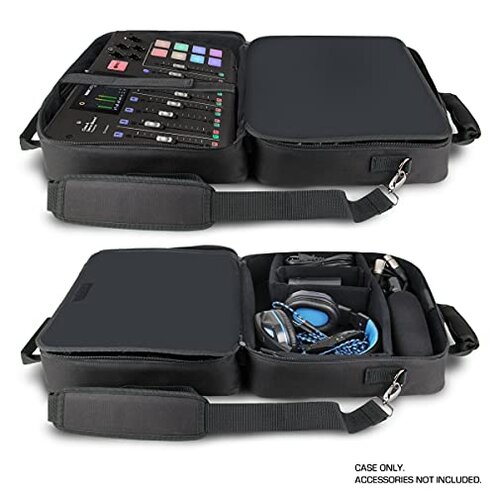
- Accessory-heavy users who insist on packing mixer, cables, mics, and spares together, because fit surprises are a primary complaint.
- Frequent travelers who need more rigid protection in crowded bags, because trust in the protection shows a higher-than-normal risk.
- Daily commuters walking longer distances with gear, because the carry experience can feel bulky when fully loaded.
- Set-and-forget buyers who dislike tweaking layouts, because divider trial-and-error is a recurring theme.
Who this is actually good for
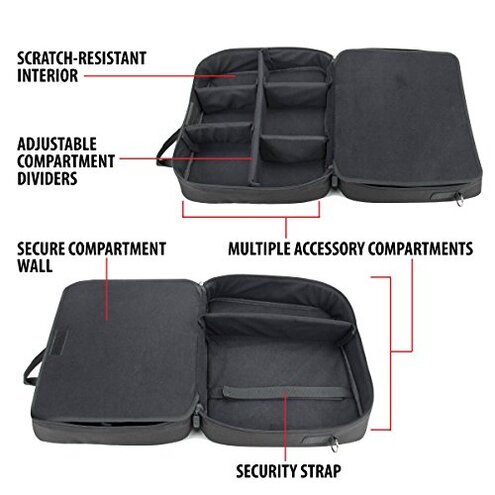
- Light-pack owners carrying the mixer and only a few cables, who can tolerate the layout tuning once and keep it consistent.
- Car-to-table users doing short moves between rooms or studios, who can accept less rigidity because the case avoids major impacts.
- Organizer types who already use internal pouches, who can offset divider shift by containing small parts.
- Budget-cautious shoppers who want branded fit guidance and can accept a bit more packing effort than typical.
Expectation vs reality
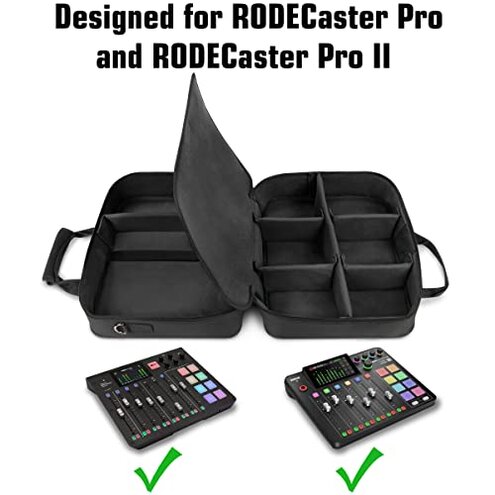
Expectation: “Compatible with my mixer” means my full working kit fits with room to spare.
Reality: compatibility can mean the main device fits, while cables and adapters create tight zips and awkward stacking.
Expectation: Custom dividers make organization easier.
Reality: for some loadouts, dividers add fiddling, especially when you frequently swap accessories.
Expectation: A reasonable mid-range case should feel protective in a backpack or trunk.
Reality: protection confidence can feel lower than expected, which is a higher-than-normal risk for this category.
Safer alternatives
- Choose molded interiors if you want consistent fit, because it reduces the “test pack before travel” burden.
- Prioritize rigidity if you travel often, because it directly addresses the protection doubt that shows up repeatedly.
- Buy for your loadout, not just the mixer, because many complaints are triggered by bulky accessories more than the main device.
- Look for pockets and small-item management, because it prevents accessory migration when dividers don’t hold your setup well.
- Consider two-bag setups for daily carrying, because splitting weight reduces bulky carry regret.
The bottom line
Main regret trigger: fit and organization can feel less predictable once you add real-world cables and adapters. The risk feels higher than normal for a mid-range travel case because you may need extra packing steps to feel secure. If you want a case that “just fits” a full kit without tinkering, this is a good one to skip.
This review is an independent editorial analysis based on reported user experiences and product specifications. NegReview.com does not sell products.