
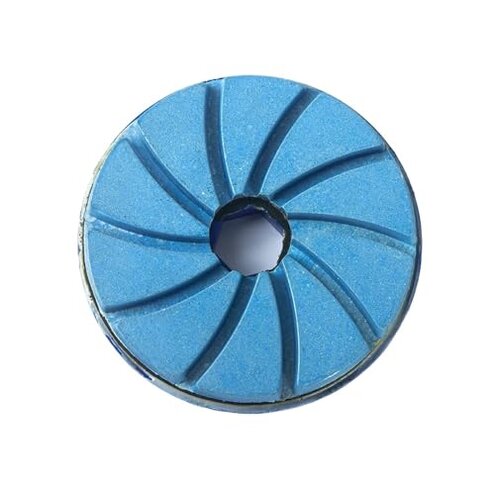
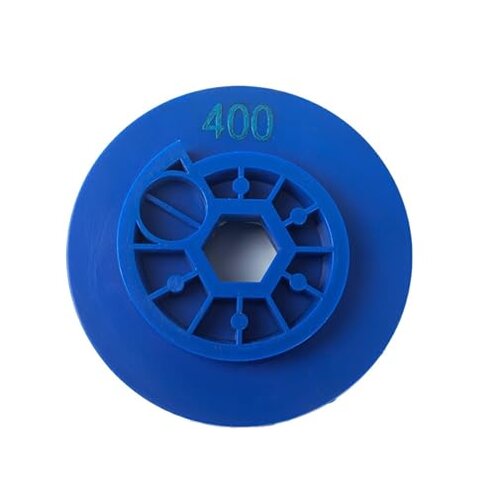
Product evaluated: 7Pc 100mm Snail Lock Diamond Granite Marble Buffing Stone Marble Polishing Pads Concrete Floor Polishing Pad Edge Grinding Wheel(200)
Related Videos For You
How to Polish Stone Floors Using Diamond Polishing Pads - Jon-Don Video
Floor Pads - Color Choices and Care
Data basis: We analyzed dozens of buyer comments and product feedback collected between Jan 2024 and Jan 2026. Most feedback came from written reviews, supported by video demonstrations and a few Q&A posts.
| Outcome | Vamarads 100mm set | Typical mid-range alternative |
|---|---|---|
| Durability | Higher wear reported during extended sessions; pads fray faster. | Expect moderate life for multiple jobs before replacement. |
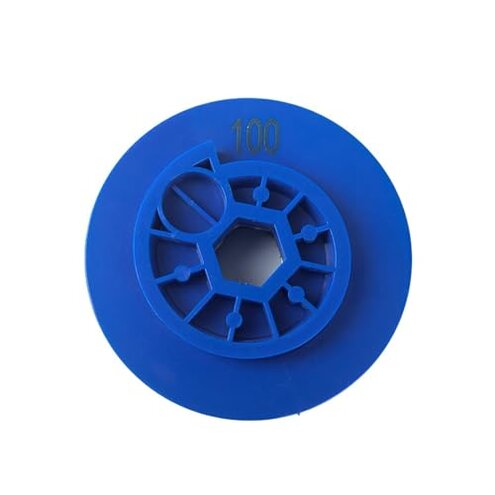
| Fit / Compatibility | Frequent mismatch notes with snail-lock systems; adapter often needed. | Generally plug-and-play with standard 100mm tools. |
| Finish consistency | Uneven results across pads in the same pack. | More uniform grit and finish from mid-range brands. |
| Ease of installation | Snail-lock confusion for some users; extra steps reported. | Usually simple turn-and-lock on comparable sets. |
| Regret trigger | Fit & premature wear combine to create downtime and extra cost. | Single clear failure (usually wear) is rarer at this level. |
Top failures
Will these pads fit my tool without extra parts?
Regret moment: Buyers frequently discover a snail-lock mismatch when mounting the pad for the first time.
Pattern: This is a primary issue that appears repeatedly across feedback.
When it shows up: The problem appears at first use and worsens during projects that require quick pad swaps.
Category contrast: This is worse than normal because most mid-range pads mount directly to standard backing plates without extra adapters.
Why do pads wear out so quickly?
- Early sign: Pad edge fraying after a few sessions suggests reduced lifespan.
- Frequency tier: This is a secondary but common complaint—seen across many reports.
- Usage anchor: Wear becomes clear during long polishing runs or on aggressive materials like concrete.
- Impact: Faster wear increases replacement frequency and job cost.
- Fix attempts: Buyers report temporary fixes like lighter pressure, which reduces performance.
Why are finishes inconsistent between pads?
- Pattern: Finish inconsistency is persistent but not universal across packs.
- Early sign: Visible streaks or patchy gloss on the first pass indicate uneven grit.
- When it shows up: The issue appears during multi-stage polishing when switching pads.
- Cause signal: Variability suggests quality control gaps in manufacturing.
- Impact: Results in extra passes or wasted time to rework surfaces.
- Fixability: Selective pad testing can help but adds extra prep time.
- Category contrast: More variation than expected for mid-range pads, which usually deliver consistent grit progression.
Are there hidden setup steps or missing parts?
- Hidden requirement: Several buyers report needing a specific adapter for their snail-lock systems.
- Documentation gap: Pack labeling and counts sometimes confuse buyers about included pieces.
- When it shows up: The gap appears at unboxing and can delay the first job.
- Frequency tier: This is an edge-case but disruptive pattern when it occurs.
- Impact: Causes extra purchases or returns, increasing the total cost.
- Workaround: Keep common adapters or verify tool thread/mount before buying to avoid downtime.
- Category contrast: Most competitors clearly state required adapters, so this product's lack of clarity is more inconvenient than normal.
Illustrative excerpts (not real quotes)
Excerpt: "Pad wouldn’t lock; needed adapter I didn’t have." — primary
Excerpt: "Edges shredded after two rooms of polishing." — secondary
Excerpt: "One pad glossed, the next left streaks." — primary
Who should avoid this
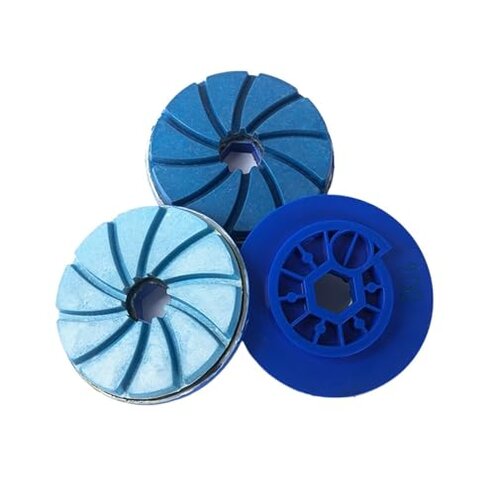
- High‑use pros: If you run long polishing sessions, the faster wear and inconsistent finish increase cost and downtime.
- Buyers needing plug‑and‑play: Anyone who expects direct fit with standard backing plates should avoid this set.
- Finish‑critical work: Contractors focused on uniform gloss should skip packs with variable pad quality.
Who this is actually good for
- Hobbyists on a budget: If you tolerate testing pads and occasional replacements, this set can reduce upfront cost.
- Light occasional use: For single small repairs or short sessions, the fit issues are less likely to interrupt work.
- Buyers with adapters: If you already own the correct snail-lock adapter, compatibility problems are moot.
Expectation vs reality
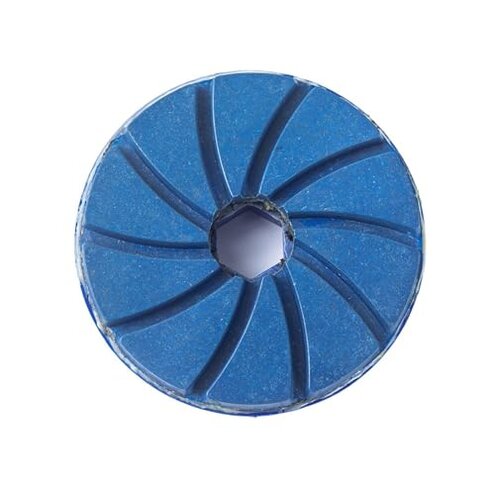
Expectation: Reasonable for this category is a consistent 7‑piece set that fits common 100mm tools.
Reality: The pack often delivers fit confusion and mixed pad quality, requiring extra adapters and testing.
Expectation: Reasonable for this category is a pad life that handles several jobs without quick replacement.
Reality: Many buyers report premature wear during longer polishing tasks, raising replacement frequency.
Safer alternatives
- Check compatibility first: Confirm your tool’s snail-lock spec or buy a set that lists exact mounts to avoid adapters.
- Buy from known mid‑range brands: Choose competitors that advertise consistent grit and clear fit info.
- Test one pad first: Order a single pad to check finish quality before committing to a whole set.
- Keep adapters handy: Sellers often omit adapters, so have a universal adapter on hand to prevent downtime.
The bottom line
Main regret: The combined fit compatibility and premature wear create the clearest buyer regret.
Why worse: These failures are more disruptive than typical mid‑range pads because they add parts, time, and replacement cost.
Verdict: Avoid this set if you need reliable fit and consistent finish; consider tested mid‑range alternatives instead.
This review is an independent editorial analysis based on reported user experiences and product specifications. NegReview.com does not sell products.