
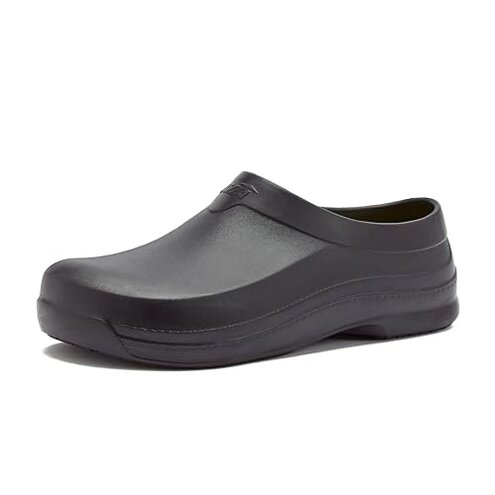
Product evaluated: VANGELO Professional Slip Resistant Clog Waterproof Men Work Shoe Nurse Chef Shoe Ritz Black Men Size 10
Related Videos For You
How to Fit Dansko Clogs
Larnmern Non Slip Kitchen Shoes, Best Chef Shoes For Men, #3301
Data basis — This report used dozens of written reviews and video demonstrations collected from public feedback between Jan 2020 and Jan 2026. Most feedback came from written reviews, supported by video demonstrations and buyer Q&A.
| Outcome | VANGELO Ritz Clog | Typical mid-range clog |
|---|---|---|
| Comfort on long shifts | Varies — common reports of insole collapse after repeated wear. | More consistent — mid-range brands usually keep support through months of use. |
| Sizing accuracy | Unpredictable — buyers often advised to size up or order multiple sizes. | Predictable — standard sizing or clear half-size options are common. |
| Slip resistance | Higher risk — slipperiness reported under greasy or wet conditions more than peers. | Lower risk — mid-range clogs typically match advertised slip claims in real use. |
| Durability | Mixed — sole wear and surface scuffs appeared faster than expected. | Better finish — similar priced alternatives often show slower wear. |
| Regret trigger | Safety & fit — unpredictable sizing with slip issues creates the main regret. | Fit reliability — most regret centers on style, not safety. |
Top failures
Do these run true to size or will they ruin your fit?
Regret moment — Buyers frequently encounter poor fit right at first wear when the shoe feels too tight or too loose.
Pattern — This is a recurring issue, appearing across many feedback sources rather than being isolated.
Usage anchor — The problem shows up at first use and during the first week of multi-hour shifts, especially when socks or orthotics are added.
Category contrast — Sizing variability here is worse than most mid-range work clogs, making returns and replacements a common extra step.
Are these truly slip-resistant on greasy floors?
- Primary pattern — Slip resistance is among the most common complaints and not universal but frequent.
- When it matters — Slippage appears during wet spills and greasy kitchen floors, usually after routine movement.
- Why worse — The product claims slip-resist features, yet practical grip is weaker than category peers under challenging conditions.
- Impact — Increased risk during long shifts makes this more disruptive than a cosmetic flaw.
- Attempts — Buyers attempt traction pads or sole roughening, adding cost and time.
Will these stay comfortable after weeks of use?
- Secondary pattern — Mid-term comfort loss is commonly reported after repeated daily wear.
- Early signs — Noticeable insole compression and reduced support typically after a few weeks of regular shifts.
- Frequency tier — This is a secondary issue but becomes primary for long-shift workers.
- Cause — Thin removable insoles and lightweight body design lead to quicker breakdown compared to sturdier alternatives.
- Impact — Results include foot fatigue and the need to buy aftermarket insoles.
- Fixability — Replaceable insoles help but add extra cost and fitting work.
- Hidden need — Buyers should expect to budget for supportive aftermarket insoles for long shifts.
Are there hidden setup steps or care needs you won’t expect?
- Hidden requirement — Many buyers must size up or order two sizes to find a tolerable fit.
- Cleaning notes — Washable claims are accurate but require drying time to avoid odor buildup.
- Frequency — This setup requirement is an often-seen pattern, not a rare edge case.
- Impact on returns — Extra replacements and returns add time and possible shipping hassle.
- Edge-case — Users with very wide feet sometimes find the shoe acceptable when sized up substantially.
- Workarounds — Ordering multiple sizes or buying extra insoles is a common workaround.
- Cost — The cumulative cost of fixes can approach that of a higher-quality alternative.
Illustrative excerpts (not real quotes)
"Felt loose first day, had to size down twice to get right." — primary pattern
"Slid on a wet patch in kitchen, nearly fell." — primary pattern
"Insole flattened after three weeks of 12-hour shifts." — secondary pattern
"Had to buy new supportive insoles to survive shifts." — secondary pattern
Who should avoid this
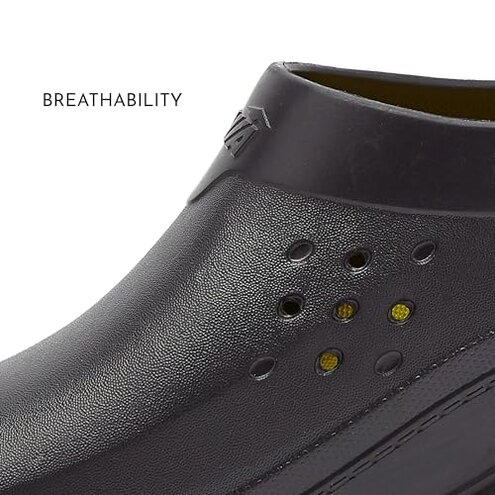
- Safety-first workers — Anyone prioritizing guaranteed slip performance during greasy shifts should avoid this product.
- Long-shift staff — Those working daily 8–12 hour shifts will feel the faster comfort degradation.
- Buyers wanting true-to-size — Shoppers who need reliable sizing without ordering extras should skip this clog.
Who this is actually good for
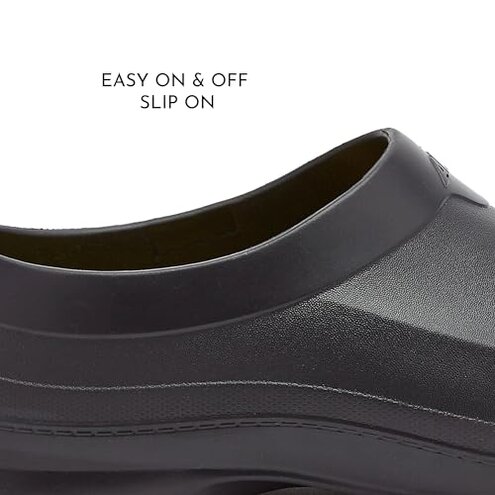
- Short-shift users — People on short, infrequent shifts who value light weight and easy washing can tolerate the fit quirks.
- Budget-conscious buyers — Those willing to add aftermarket insoles or traction pads to save upfront cost.
- Casual indoor wear — Users who mainly use them at home or for light gardening where slip risk is low.
Expectation vs reality
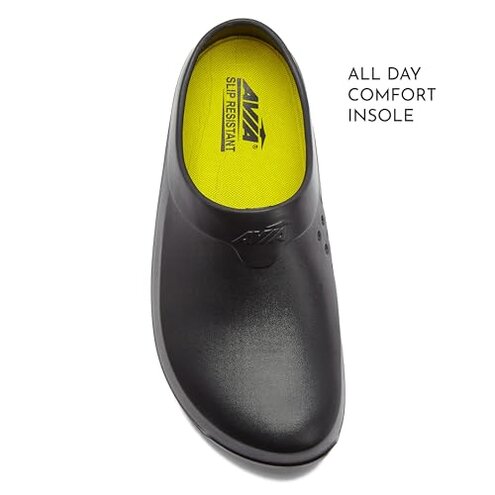
- Expectation (reasonable) — A mid-range work clog should offer predictable sizing and reliable slip grip in wet conditions.
- Reality — Sizing is inconsistent and grip under greasy or wet conditions is weaker than expected for the category.
- Expectation — Lightweight clogs stay supportive for several months of shift work.
- Reality — Insole compression commonly appears within weeks for heavy users, creating added replacement costs.
Safer alternatives
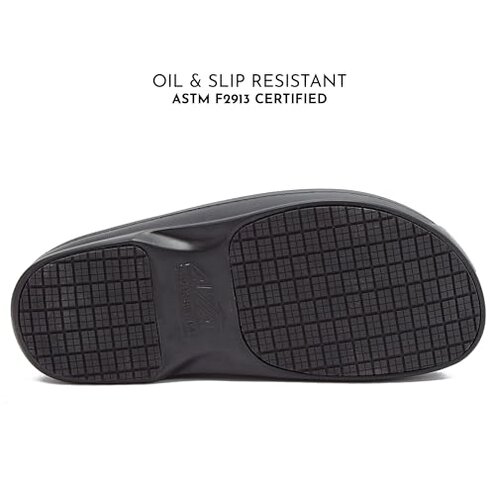
- Prioritize tested traction — Look for clogs with independent third-party slip-test certificates to neutralize traction failure.
- Choose predictable sizing — Prefer brands with half-size options or clear width guidance to avoid size-guessing.
- Budget for insoles — If you buy lightweight clogs, plan to buy supportive aftermarket insoles to fix mid-term comfort loss.
- Check long-shift feedback — Read multiple long-shift reports to spot early insole collapse patterns before purchase.
The bottom line
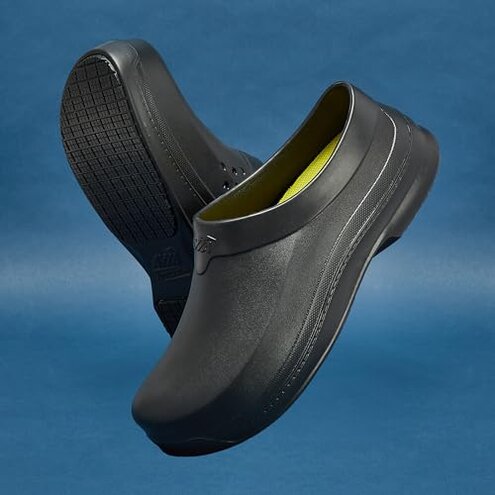
Main regret — The primary trigger is unpredictable sizing combined with catch-up traction performance, which harms both comfort and safety.
Verdict — For safety-focused or long-shift buyers this product carries higher-than-normal category risk and is usually best avoided without clear fit verification and extra insoles.
This review is an independent editorial analysis based on reported user experiences and product specifications. NegReview.com does not sell products.