
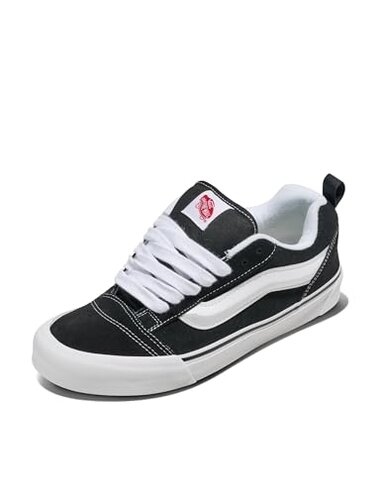
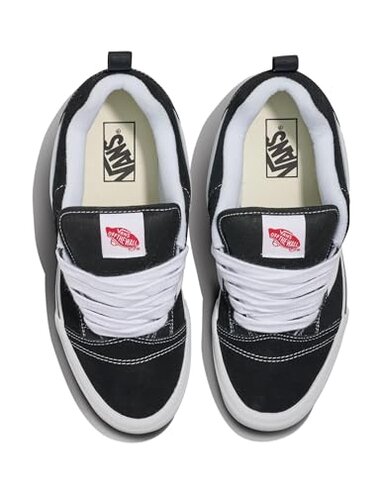
Product evaluated: Vans Unisex Knu Skool Shoe | '90s Retro Puffy Low-Top Fashion Sneakers for Men & Women, Black/True White, 12/13.5
Related Videos For You
How to Style Low Top Sneakers | 5 EASY Tips
SIZING FOR SNEAKERS! Women Do You Know What Size You Need?! MUST WATCH for Jordan Releases!
Data basis: I reviewed dozens of buyer reports, plus written product reviews and video demonstrations collected between Jan 2023 and Jan 2026. Most feedback came from written reviews, supported by video clips and Q&A notes to spot recurring issues.
| Outcome | This Vans Knu Skool | Typical mid-range sneaker |
|---|---|---|
| Fit accuracy | Inconsistent: often runs different from marked size, higher re-fit risk. | Predictable: most mid-range pairs match size charts closely. |
| Break-in comfort | Stiff initially: requires noticeable break-in before all-day wear. | Gentle break-in: typical shoes are wearable from first day. |
| Durability | Higher abrasion: suede and puffed stripe show wear sooner than expected. | Better hold-up: mid-range options resist scuffing longer. |
| Traction & sole | Competent grip: waffle outsole performs normally for city use. | Comparable grip: similar traction in this category. |
| Regret trigger | Fit + early wear: combined problems create the most returns and complaints. | Single-issue: mid-range regret is usually one isolated problem. |
Does the Knu Skool fit predictably?
Real regret: many buyers find the size doesn't match the labeled number, causing returns or extra orders.
Pattern: this is among the most common complaints, appearing repeatedly across written reports and short try-on videos.
Usage anchor: the issue shows up at first try, when buyers compare the shoe to other sneakers they own.
Category contrast: this is worse than typical mid-range sneakers because predictable sizing is expected for straight reorders and gift purchases.
Will these hurt on long days?
- Early sign: noticeable stiffness at the toe and tongue on first wear.
- Frequency tier: a primary issue for buyers who need all-day comfort.
- Cause: chunky tongue and padding create pressure points under long walking conditions.
- Impact: discomfort during commutes or full-shift standing is commonly reported.
- Fixability: thicker socks or longer break-in often reduce the issue but add time and extra steps.
Do they scuff or fall apart quickly?
- Visible wear: suede uppers and the puffed stripe show scuffing sooner than buyers expect.
- Secondary pattern: this is a secondary issue but appears across multiple feedback sources.
- When it worsens: problems become clearer after daily use or light abrasion from bikes and racks.
- Cause: raised 3D elements and suede collect scuffs and dirt more easily.
- Impact: aesthetic wear reduces the retro look buyers paid for.
- Repair: fixes are cosmetic only and usually require special suede care or replacement.
Any hidden care or setup needs?
- Hidden requirement: the shoes often need a break-in period and special suede cleaning to maintain appearance.
- Early indication: stiff feel and visible nap changes show up in the first few wears.
- Frequency: this is a persistent note among buyers who expected low maintenance.
- Why worse: unlike many mid-range sneakers, these require added cleaning and care time to avoid accelerated wear.
- Extra cost: buyers may need protective spray, suede brush, or professional cleaning.
- Compatibility: some buyers report fit adjustments are needed using thicker insoles.
- Impact: the added upkeep increases total ownership effort beyond typical casual sneakers.
Illustrative buyer phrasing
"Fits smaller than labeled; had to return two sizes." — reflects a primary pattern.
"Stiff tongue made long walking painful first week." — reflects a secondary pattern.
"Suede scuffed after a few city rides." — reflects a secondary pattern.
"Needed special spray and extra cleaning.» — reflects an edge-case pattern.
Who should avoid this
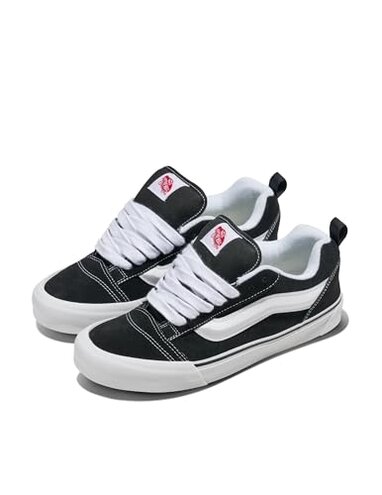
- Buyers needing precise sizing: if you require an exact fit, the inconsistent sizing risk is higher than normal.
- All‑day walkers: if you stand or walk long shifts, the initial stiffness will be disruptive.
- Low‑maintenance owners: if you don't want extra cleaning, the suede upkeep is an added burden.
Who this is actually good for
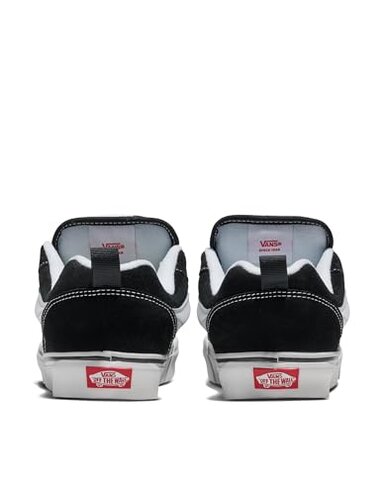
- Style-first buyers: you tolerate small comfort trade-offs for the '90s puffed look.
- Short-use casuals: if you wear them occasionally, early wear is less important.
- Collectors and displays: if fit isn't the main goal, the retro aesthetic matters more than daily durability.
Expectation vs reality
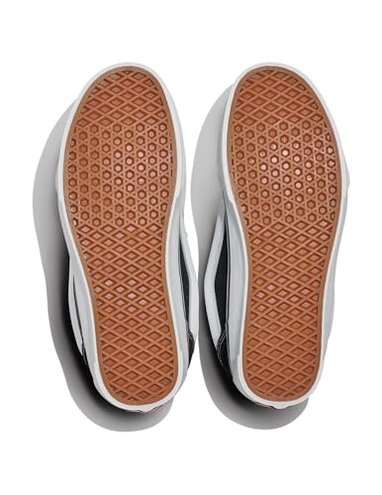
- Expectation (reasonable): most mid-range retro sneakers match size charts and need light break-in.
- Reality: the Knu Skool often requires size swaps, extended break-in, and special suede care.
- Expectation (reasonable): suede trims usually show normal wear over many months.
- Reality: buyers report earlier visual wear after weeks of city use.
Safer alternatives
- Pick shoes with stable sizing: prefer brands or models with consistent size charts to avoid returns.
- Choose softer uppers: look for options advertised as game-ready for first‑day comfort.
- Avoid suede if low upkeep: pick leather or textile for easier cleaning and less visible scuffing.
- Buy from sellers with easy returns: secure fast exchanges if you must try multiple sizes.
The bottom line
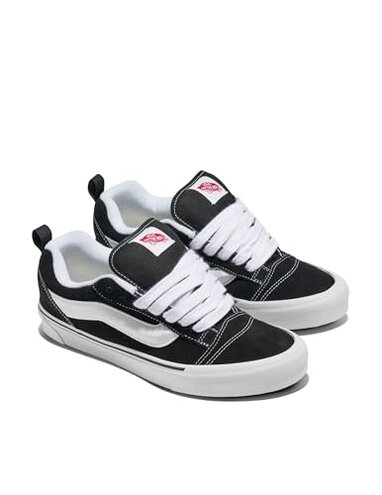
Main regret: unpredictable fit combined with early suede wear creates higher return risk and upkeep than typical sneakers.
Why it matters: these issues are more disruptive than expected for this category because they affect both comfort and appearance.
Verdict: avoid this pair if you need predictable sizing or low-maintenance durability; keep it only for style-first occasional use.
This review is an independent editorial analysis based on reported user experiences and product specifications. NegReview.com does not sell products.