
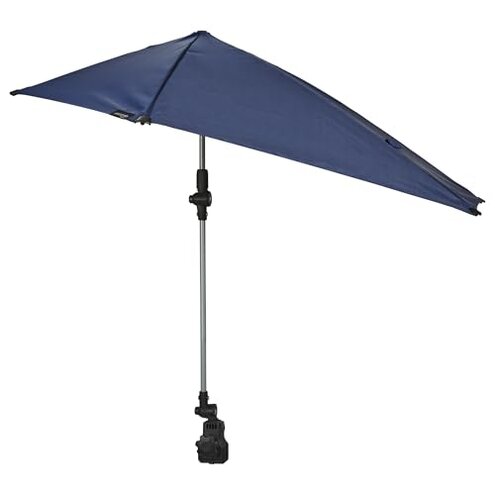
Product evaluated: SB VERSA BRELLA MIDNIGHT BLUE 1PK FES
Related Videos For You
Gossamer Gear Umbrella Clamp
Beach chair umbrella clamp - BeachUmbrellas.com
Data basis: This report is based on hundreds of buyer comments gathered from written feedback, star-rating text, and a smaller set of photo or video-backed impressions collected across recent years through early 2026. Most feedback came from written reviews, with visual demonstrations mainly used to confirm setup, clamp hold, and wind-use problems.
| Buyer outcome | Versa-Brella | Typical mid-range alternative |
| Clamp confidence | Less predictable on some chair frames and square bars | Usually steadier if sized for the same frame types |
| Angle control | Flexible, but can need frequent readjustment during use | Moderate range, often with fewer re-aims |
| Wind tolerance | Higher-than-normal risk of shifting or becoming annoying in breezy conditions | More forgiving for short outdoor sessions |
| Setup effort | Extra trial to find a position that shades well without getting in the way | Simpler first setup in many cases |
| Regret trigger | Shade works until movement, wind, or seat angle makes it drift | Less often disrupted once positioned |
Why does it keep shifting when you finally get the shade right?
This is a primary issue and among the most common complaints. The regret moment usually happens after setup, when you sit down, move the chair, or a light breeze hits and the umbrella no longer covers the same spot.
The trade-off is clear: the wide adjustment range helps with sun angle, but that same flexibility appears repeatedly to make the position less stable in normal outdoor use. Compared with a typical mid-range clamp umbrella, it feels less forgiving because it asks for more re-aiming during the same outing.
- Pattern: Recurring complaints point to angle drift and clamp movement rather than a one-time setup mistake.
- When it hits: During long sessions at games, beaches, and sidelines, small movements can change coverage more than buyers expect.
- Worse conditions: Breezy weather makes the problem more disruptive than expected for this category.
- User impact: Shade gaps lead to constant fiddling instead of hands-off use.
- Fix attempts: Re-tightening helps some buyers briefly, but the annoyance often returns with repositioning.
Is the clamp fit more limited than it sounds?
- Frequency tier: Primary issue complaints commonly focus on attachment trouble across different chair and wagon shapes.
- Hidden requirement: Frame shape matters more than many buyers expect from the broad compatibility claims.
- Usage moment: First use is where regret starts, especially when the bar is awkwardly placed or too thick to mount cleanly.
- Visible sign: Clamp pressure can feel secure at first but still sit at a bad angle for useful shade.
- Why worse than normal: Typical alternatives may offer less reach, but often need fewer experiments to find a workable mount point.
- Practical cost: Extra setup time matters when you are already carrying chairs, bags, or managing kids.
- Fixability: Partly fixable only if your seat or cart has a bar location that matches the umbrella's movement range.
Does the big canopy become more trouble in real use?
- Frequency tier: Secondary issue complaints are less frequent than clamp fit, but more frustrating when they happen.
- Context: After you mount it, the larger shade area can start interfering with sight lines or elbow room.
- Real-world effect: Shared seating setups can feel crowded once the umbrella swings into personal space.
- Worsens when: Low sun forces aggressive angles that make the umbrella stick out farther.
- Why it stings: More coverage is the selling point, so buyers feel the trade-off more sharply when it becomes intrusive.
- Category contrast: Most mid-range clamp shades block a bit less sun, but they can be easier to live with in tight seating rows.
Will it feel durable enough after repeated outings?
This is a persistent but not universal concern. The frustration shows up after repeated use, when moving parts and the clamp mechanism see frequent opening, folding, and re-aiming.
Compared with normal category wear, the concern feels worse because this style invites constant adjustment, which adds more handling than many basic clip-on shades. That means even acceptable durability can feel disappointing if you use it several times a week.
- Early sign: Looser feel in the joints or clamp can make buyers worry before full failure happens.
- Pattern: Less frequent than shifting complaints, but it appears repeatedly enough to matter for regular outdoor users.
- Use case: Frequent folding and transport seem to raise the hassle level over time.
- Impact: Confidence drops because buyers start treating it more carefully than expected for a portable outdoor accessory.
- Mitigation: Occasional users tend to face less stress from this than families using it every weekend.
- Bottom risk: Longevity doubts are not the top complaint, but they add regret when combined with shifting and fit issues.
Illustrative excerpts
- Illustrative: “I got it attached, then spent the whole game moving it again.” Primary pattern.
- Illustrative: “The clamp held, but not where it actually gave useful shade.” Primary pattern.
- Illustrative: “Great idea until a little wind made it more work than help.” Primary pattern.
- Illustrative: “The coverage is nice, but it sticks into my space too much.” Secondary pattern.
- Illustrative: “After repeated outings, it just felt less solid each time.” Edge-case pattern.
Who should avoid this
- Avoid it if you want truly set-and-forget shade for long sports games or beach sits.
- Avoid it if your chair or wagon has awkward bars, thick rails, or limited mounting spots.
- Avoid it if you often sit in breezy places where small movement already makes umbrellas annoying.
- Avoid it if you expect mid-range durability with frequent folding, transport, and constant angle changes.
Who this is actually good for
- Good fit for buyers using it in calmer weather for shorter sessions where occasional readjustment is acceptable.
- Good fit if you already know your chair or cart has a clean clamp location that matches the mount size.
- Good fit for users who value angle flexibility more than perfect stability and do not mind tinkering.
- Good fit when shade coverage matters most and you can tolerate some crowding around your seat.
Expectation vs reality
Expectation: A clamp umbrella should stay close enough to the same position once tightened.
Reality: Repeated readjustment appears more often than buyers expect, especially during longer outdoor use.
Expectation: Broad fit claims should mean easy mounting on most chairs and carts.
Reality: Mount compatibility depends heavily on rail shape and where that rail sits, which is a hidden requirement for many buyers.
Reasonable for this category: Some movement in wind is normal for portable clamp shades.
Worse-than-expected reality: Wind sensitivity seems more disruptive here because the larger adjustable setup often needs more correction once it starts moving.
Safer alternatives
- Choose fixed-position clamp shades if you care more about steadiness than maximum angle range.
- Check frame shape before buying, and favor models marketed for your exact chair, stroller, or cart style.
- Prioritize wind stability over canopy size if you will use it at fields, beaches, or open bleachers.
- Look for simpler joints if you plan frequent folding and transport, since fewer moving parts often mean fewer drift complaints.
- Consider smaller shade if you sit in tight rows and do not want the canopy pushing into personal space.
The bottom line
Main regret starts when the shade looks dialed in, then shifts enough to make you keep fixing it. That exceeds normal category risk because the broad adjustment and larger coverage can create more upkeep than many mid-range alternatives. Verdict: avoid it if you need easy fit, calm stability, or frequent-use reliability more than flexible positioning.
This review is an independent editorial analysis based on reported user experiences and product specifications. NegReview.com does not sell products.