
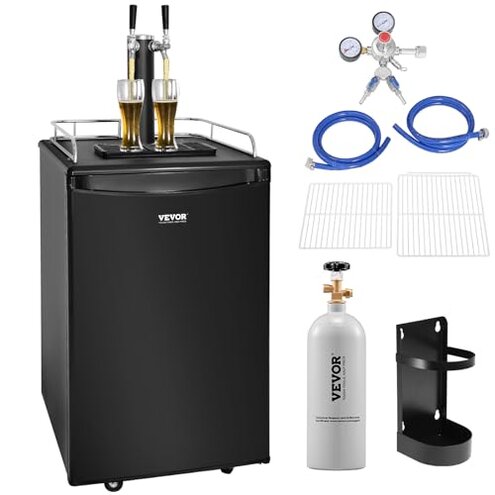
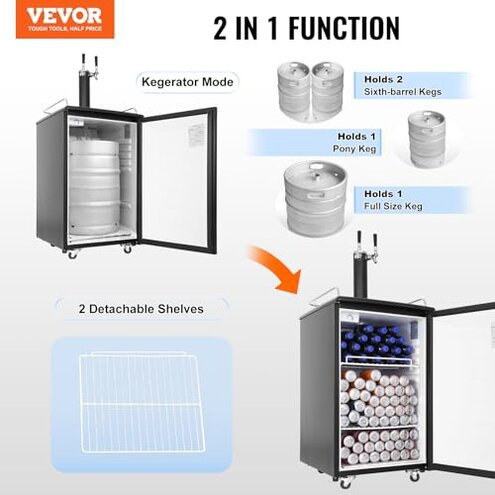
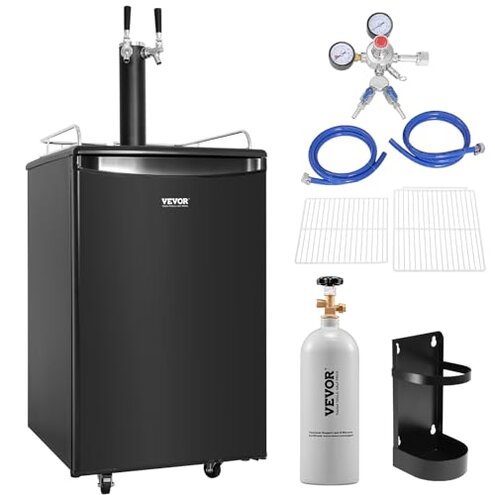
Product evaluated: VEVOR Beer Kegerator, Dual Tap Commercial Draft Beer Dispenser for D system, Full Size Keg Refrigerator with 5lbs CO2 Tank, Hold 2 Sixth / 2 Ball lock keg, Black
Related Videos For You
How to Tap a Keg for Your Kegerator in Your Bar or Home
Kegerator Beer Line Cleaning Tutorial - 3 Different Methods
Data basis: This report aggregates dozens of written customer reviews and several video demonstrations collected between Jan 2023 and Feb 2026, with most feedback from written reviews supported by a smaller set of videos.
Comparative risk snapshot
| Outcome | VEVOR kegerator | Typical mid-range kegerator |
|---|---|---|
| Chill consistency | Variable — often reported temperature swings after first use. | Stable — most hold set temp within a narrow range. |
| Leak & drip risk | Higher-than-normal — fittings and gaskets commonly require adjustments. | Lower — better seal quality out of box on many models. |
| Noise & vibration | Noticeable — some buyers report louder compressor and tower buzz. | Quieter — typical mid-range units damp vibration better. |
| Setup friction | Extra steps — CO₂ arrives empty and fittings need tightening. | Smoother — many competitors include pre-installed fittings or clearer guides. |
| Regret trigger | Operational downtime from leaks or temp swings after setup. | Minor tweaks usually fix early issues without loss of use. |
Top failures
Why is my beer not staying cold and foams oddly?
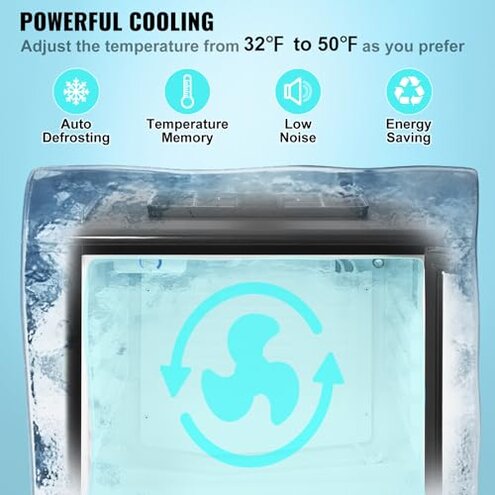
Regret moment: Buyers report temperature swings that change beer foam and taste during normal service.
Pattern: This is a recurring complaint seen most often after initial setup and during repeated daily pours.
Category contrast: More disruptive than typical mid-range kegerators because it often needs extra calibration or repositioning to reach steady cooling.
Why do I get drips and wet floors?
- Early sign: Small drips appear at the tower or fittings during first fills.
- Frequency tier: This is a primary issue for many buyers and appears repeatedly across feedback.
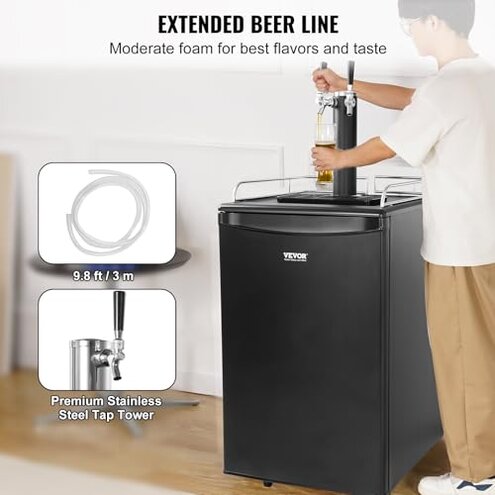
- Likely cause: Loose clamps, gasket seating, or long beer line routing increase leak risk.
- Impact: Requires hands-on tightening and monitoring, interrupting service.
- Fixability: Often fixed by re-clamping or replacing small parts, but that adds time and expense.
Why does the unit sound louder than expected?
- Noise type: Compressor buzz and tower rattling reported during normal pours.
- When it shows: Sounds are most obvious while cooling cycles run or during long serving sessions.
- Scope signal: This is a secondary but persistent complaint across multiple feedback types.
- Cause: Vibration isolation and mount damping appear insufficient compared to peers.
- User impact: Interrupts quiet gatherings and can suggest instability.
- Attempted fixes: Buyers report adding rubber pads or tightening fasteners to reduce buzz.
- Hidden cost: Additional parts or labor may be needed for long-term quieting.
Why is setup harder than the listing suggests?
Regret moment: New owners find a hidden requirement for supplies and skill not obvious at purchase.
Usage anchor: The CO₂ tank is shipped empty and buyers must arrange fills and sometimes buy extra fittings.
Category contrast: More demanding than many mid-range kegerators that include pre-charged tanks or clearer setup checklists.
- What you must do: Locate a CO₂ fill source and confirm regulator compatibility before first use.
- Early signs: Pressure instability or flat pours during initial service.
- Fixability: Solvable but needs time, a local fill service, or extra purchases.
- Time cost: Adds extra setup hours and possible store trips before you serve beer.
- Skill requirement: Basic gas handling knowledge reduces risk and frustration.
- Warranty note: The short three-month warranty limits vendor-side remedies for setup-related failures.
- Buyer tip: Budget for CO₂ charges and spare clamps or seals when ordering.
Illustrative excerpts (not real quotes)
"Beer warmed overnight despite set temp; foam got worse each pour." — primary pattern
"Water pooling under unit after ten pours, clamps looked loose." — primary pattern
"Compressor buzzed loudly during parties, needed rubber pads to quiet." — secondary pattern
"Had to find a CO₂ fill station and buy extra seals before first use." — secondary pattern
Who should avoid this
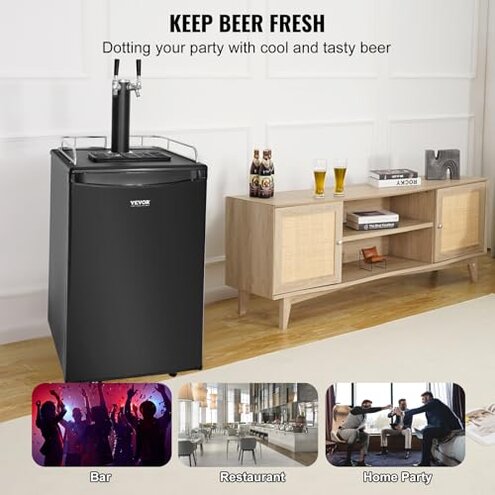
- Daily hosts who need steady temps without frequent recalibration due to recurring temperature swings.
- Small-space buyers who cannot tolerate leaks or cleanup interruptions during regular use.
- Noise-sensitive users who expect quiet operation in living rooms or home bars without added damping work.
- Buyers wanting plug-and-play service who do not want to source CO₂ fills or extra seals before first use.
Who this is actually good for
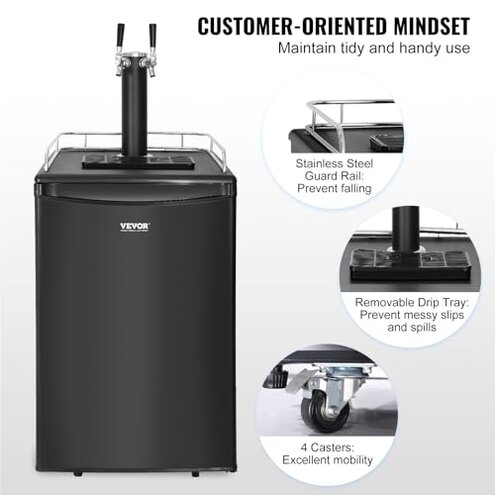
- Handy tinkerers who accept extra setup and enjoy tweaking fittings and mounts to reduce leaks and noise.
- Occasional hosts who can tolerate occasional recalibration and are fine buying CO₂ fills as needed.
- Budget-focused hobbyists willing to trade extra initial work for a lower price point and dual-tap capacity.
Expectation vs reality
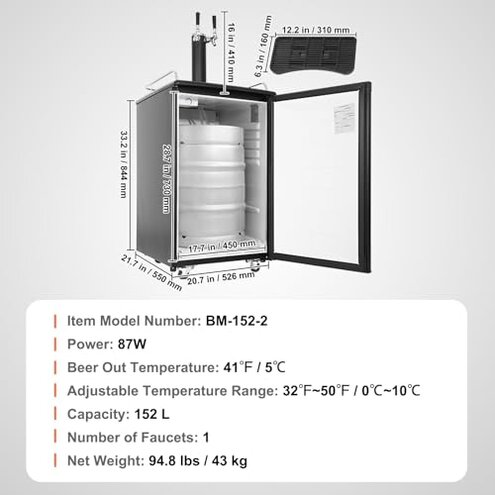
Expectation: Reasonable for this category is steady temperature control after a short break-in.
Reality: Buyers commonly report ongoing temperature adjustments and periodic leaks that interrupt service.
Expectation: A dual-tap unit should be mostly plug-and-play.
Reality: Setup often needs extra parts, CO₂ fills, and mechanical tweaks before reliable pours.
Safer alternatives
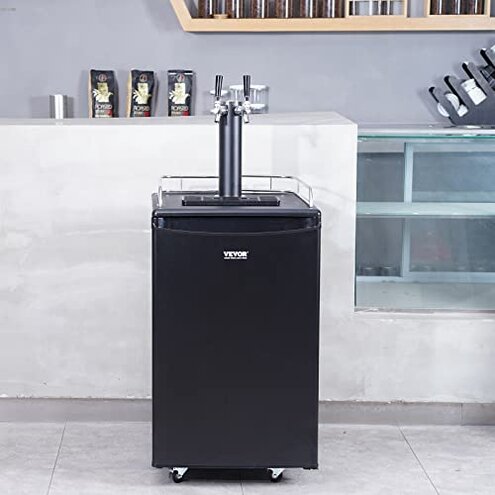
- Prioritize models with pre-charged CO₂ to avoid the initial fill requirement and hidden setup steps.
- Choose units with stronger warranty if you want vendor support for leaks and compressor failures beyond three months.
- Look for tested vibration damping to prevent noticeable compressor and tower noise in living spaces.
- Buy extra clamps and gasket kits in advance to neutralize the common leak and drip issue quickly.
- Opt for units with clear setup guides that include regulator compatibility and CO₂ fill instructions.
The bottom line
Main regret: Operational downtime from temperature inconsistency and leaks is the most common buyer trigger.
Why it matters: These problems exceed normal category risk because they repeatedly interrupt service and require extra purchases or labor.
Verdict: Avoid this model if you need reliable, low-maintenance daily draft without extra setup work.
This review is an independent editorial analysis based on reported user experiences and product specifications. NegReview.com does not sell products.