
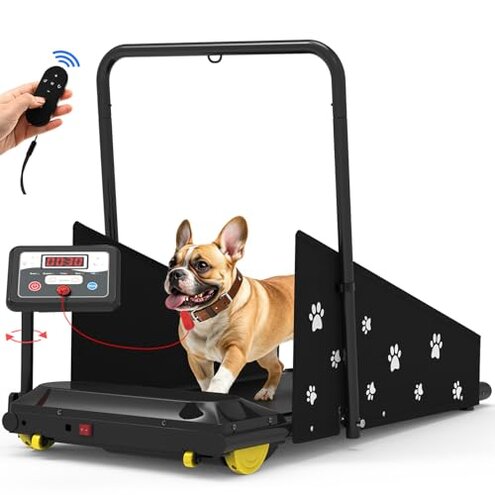
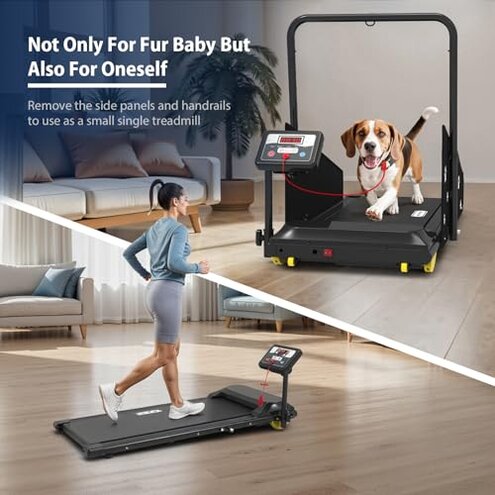
Product evaluated: VEVOR Dog Treadmill for Small & Medium Dogs, Dog Pacer, Pet Running Machine Slat Mill to Keep Dogs Active & Fit, Foldable U Shaped Bar, Low-Noise Design, Remote Control & Move Wheels, w/LED Display
Related Videos For You
How to Exercise Your Dog Indoors (Using a Treadmill!)
Maintaining dog treadmill or slatmill - Bo Life
Data basis We analyzed dozens of buyer reports and visual demos collected between January and February 2026, pulling from written product reviews and video demonstrations. Most feedback came from written reviews, supported by video demonstrations that reproduced failure modes.
| Outcome | VEVOR Treadmill | Typical Mid‑Range Treadmill |
|---|---|---|
| Noise level | Higher — commonly reported loud motor and vibration during use. | Lower — quieter motors or better insulation expected at this price. |
| Durability | Mixed — persistent reports of belt wear and frame wobble after weeks. | Steadier — mid‑range units usually show fewer early failures. |
| Controls | Fragile — remote batteries missing and interface glitches reported. | Complete — remote and UI work reliably out of box more often. |
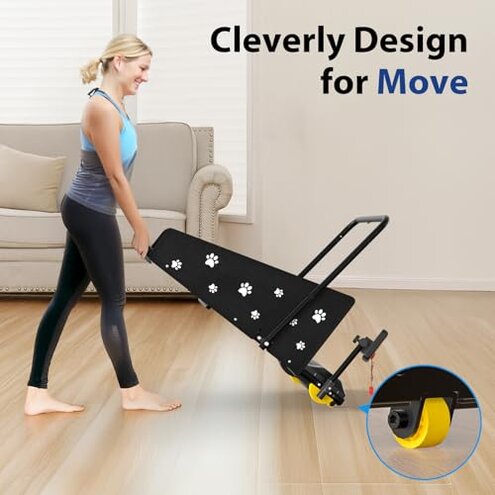
| Setup & storage | Time‑consuming — assembly steps and folding can be awkward. | Simpler — many alternatives fold and store with fewer steps. |
| Regret trigger | Higher — motor noise + belt issues cause the most returns. | Lower — mid‑range options trigger fewer major regrets. |
Top failures
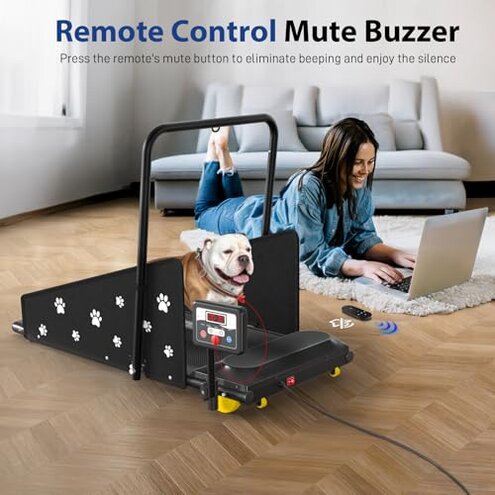
Why is my treadmill so loud and shaky?
Regret moment The motor and frame vibration become obvious during the first runs, making indoor use disruptive. Severity This is among the most common complaints and is more disruptive than expected for this category.
Pattern This issue appears repeatedly in early use and is visible in video demos. Context Noise and wobble worsen during longer sessions or when heavier dogs run at higher speeds. Category contrast Most mid‑range treadmills have better noise control, so this problem causes more daily disturbance than buyers expect.
Why does the belt slip or fray quickly?
- Early sign Belt misalignment often shows up after initial setup and short runs.
- Frequency tier This is a primary issue for many buyers, commonly reported across reviews.
- Cause Reports point to loose tracking and thin belt material under repeated use.
- Impact Belt wear reduces safe running area and demands replacement or repair.
- Attempts Owners tried re‑tracking and tension adjustments with mixed success.
Why won't the remote or controls behave reliably?
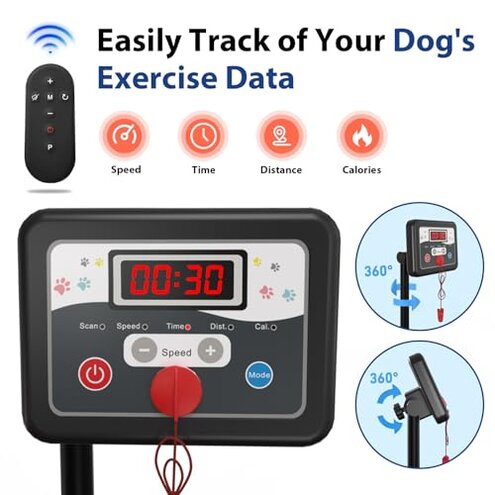
- Hidden requirement The remote needs a CR2032 battery that is not included, which buyers commonly missed at first use.
- Secondary pattern Some users report intermittent button response and lag during sessions.
- When it shows Problems appear both at setup and during regular use, especially if remote batteries are low.
- Fixability Replacing batteries or using the LED panel works but adds extra steps and hassle.
Will the size and safety features match my dog?
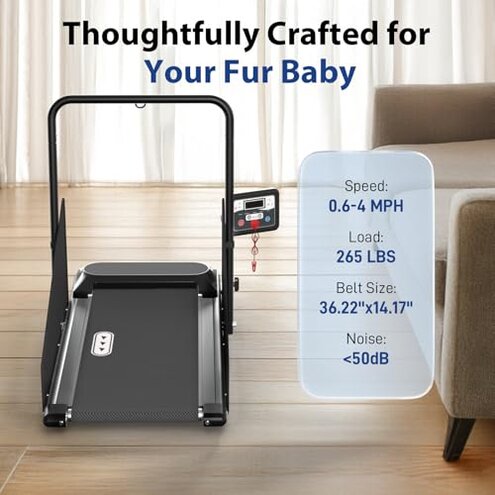
- Sizing issue Buyers report the advertised track width feels narrow for larger medium breeds during testing.
- Safety concern Side fabric panels can fail to calm distracted dogs, appearing during first walks.
- Frequency tier This is a secondary-to-primary concern for owners of tall or heavy dogs.
- Impact Dogs resisting the treadmill increase stress and reduce exercise value.
- Attempts Owners used treats and harnesses, which helps but adds supervision time.
- Category contrast Other mid‑range units offer wider belts and sturdier side guards, reducing escape attempts.
- Hidden cost Extra accessories or professional training may be needed to get usable sessions.
Illustrative excerpts (not real quotes)
"Motor sounds like a vacuum; can't run inside." — reflects a primary pattern.
"Belt started fraying after two weeks of walking." — reflects a primary pattern.
"Remote needed battery I didn't have at home." — reflects a secondary pattern.
Who should avoid this
- Apartment owners Avoid this if indoor noise is unacceptable, since motor vibration is commonly reported.
- Heavy or tall dogs Avoid if your dog is near the stated max weight, because belt and width issues appear more disruptive here.
- No time for tinkering Avoid if you want a plug‑and‑play unit, because controls and tracking often need adjustments.
Who this is actually good for

- Budget buyers Good if you prioritize price over quiet operation and can tolerate extra maintenance.
- Owners with patient dogs Good if you plan supervised, short sessions and can train your dog to accept the belt.
- Garage or outdoor use Good if you run the device in a non‑living space where noise and vibration matter less.
Expectation vs reality
Expectation Reasonable for this category: a quiet, stable motor for indoor use. Reality Many buyers find louder operation and more vibration than typical mid‑range treadmills.
Expectation Reasonable for this category: usable remote out of the box. Reality The remote needs a CR2032 battery not included, creating a first‑use barrier.
Safer alternatives
- Look for quiet motors Choose units explicitly advertised with motor noise reduction to avoid the VEVOR vibration problem.
- Prefer wider belts Select treadmills with wider track specs to reduce fit and safety issues for medium breeds.
- Check included parts Buy models that include remote batteries and full hardware to prevent first‑use surprises.
- Warranty focus Pick options with clear long‑term belt and motor warranty to lower repair risk.
The bottom line
Main regret The biggest trigger is combined motor noise and belt reliability, which leads to returns and added fixes. Why worse These faults appear more often and earlier than expected for mid‑range pet treadmills. Verdict Avoid this model if you need quiet, low‑maintenance indoor use; consider budget or outdoor scenarios only.
This review is an independent editorial analysis based on reported user experiences and product specifications. NegReview.com does not sell products.