
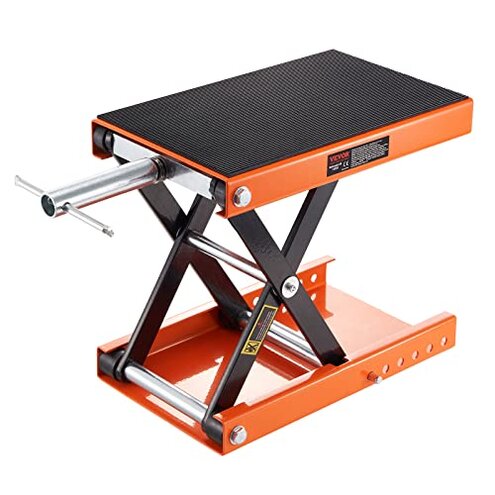
Product evaluated: VEVOR Motorcycle Lift, 1100 LBS Motorcycle Scissor Lift Jack with Wide Deck & Safety Pin, 3.7"-13.8" Center Hoist Crank Stand, Steel Scissor Jack for Street Bikes, Cruiser Bikes, Touring Motorcycles
Related Videos For You
DIY Roll-On Motorcycle Lift for $290
Using a Scissor Jack with Lift for Motorcycle Maintenance
Data basis: This report draws on dozens of buyer reviews and several video demonstrations collected between 2022 and 2025. Most feedback came from written reviews, supported by visual unboxing and test clips. The sample leans toward recent buyers and hands-on demonstrations.
| Outcome | VEVOR lift (this product) | Typical mid-range lift |
|---|---|---|
| Stability while raised | Higher wobbles reported during lift and parked use, especially on uneven floors. | More stable under similar loads with wider bases and firmer locking pins. |
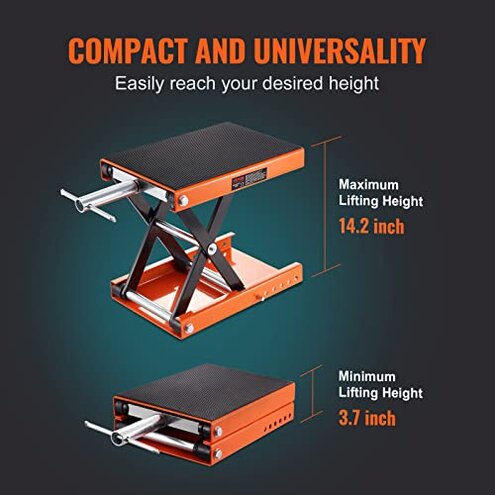
| Height range | Lower top height meets entry tasks but limits taller maintenance work. | Higher reach common in mid-range models for easier under-bike access. |
| Safety locking | Pin engagement is functional but appears less robust after repeated use. | Stronger locks and multi-point stops are typical in the category. |
| Durability | Wear signs like loose parts and scuffs appear sooner for some buyers. | More durable finishes and fittings are common at this price tier. |
| Regret trigger | Higher-than-normal risk of instability or fitment hassles that block safe maintenance. | Lower risk on comparable mid-range stands, leading to fewer stops in work. |
Top failures
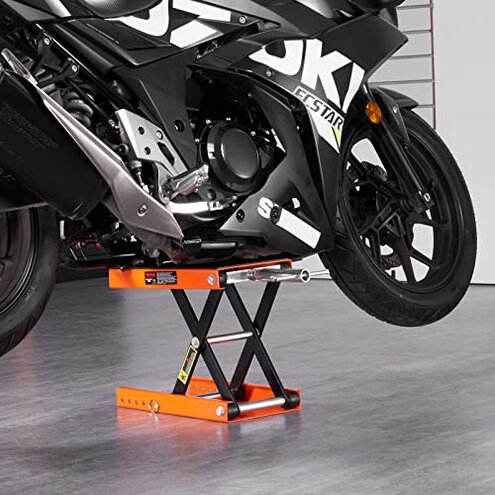
Will my bike feel unsafe when raised?
Regret moment: Many users notice wobble during lifting and when the bike sits on the platform. This is a primary complaint that appears repeatedly across hands-on feedback.
Usage anchor: The issue shows up at first use or during routine maintenance, and it worsens on uneven garage floors or with heavier cruiser bikes.
Category contrast: This feels worse than typical mid-range lifts because buyers expect firm steadiness for servicing, yet here the lift often demands extra supports or time to stabilize.
Does the lift wear out or loosen quickly?
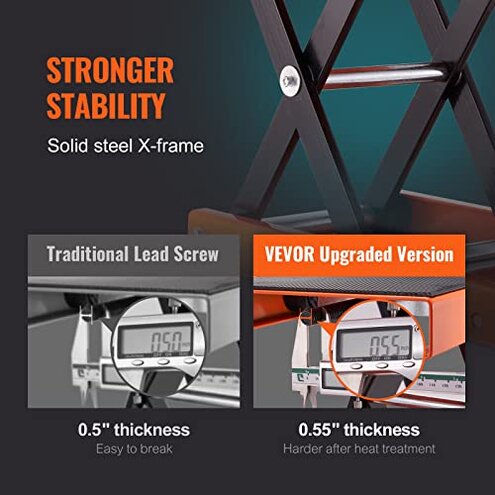
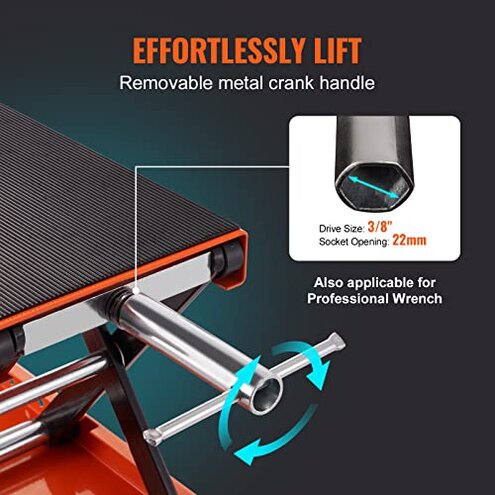
- Early signs: Some buyers report loose pivots and handle play after repeated lifting cycles.
- Frequency tier: This is a secondary pattern; it is less common than stability complaints but more disruptive when it happens.
- Cause clue: Repeated heavy loads and daily garage work accelerate the play in joints and pins.
- Impact: Loose parts reduce confidence and add time to every job because you must retighten fittings.
- Fixability: Temporary fixes work, but persistent wear often needs replacement parts or service.
Is positioning and setup annoying or incomplete?
- Hidden requirement: Buyers commonly need extra wheel chocks or ramps to align the bike safely on the platform.
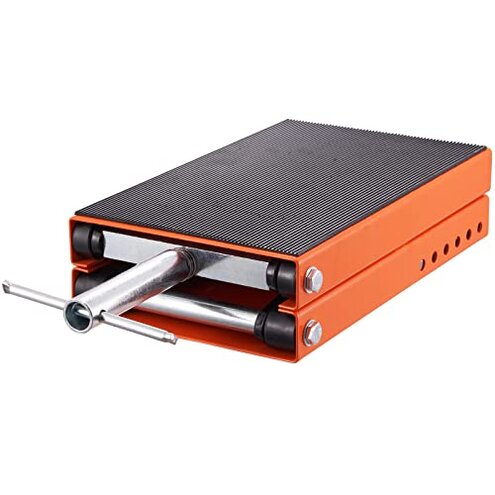
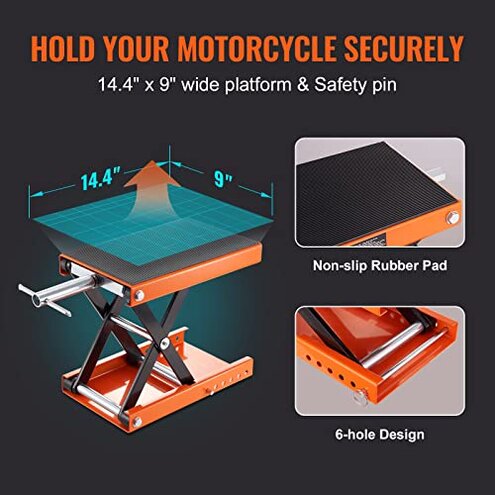
- Early signs: The rubber pad can shift and the deck may feel small for wide-stance bikes.
- Usage anchor: Alignment frustration is most noticeable during first setup and when switching different motorcycle models.
- Frequency tier: This is a primary issue for riders with cruiser or touring bikes, appearing repeatedly in feedback.
- Cause: Narrow deck width and basic contact pad design make precise centering harder than expected.
- Impact: Misalignment increases risk of slips and adds setup time and extra gear to get a safe lift.
- Attempts: Users often add blocks or aftermarket adapters to make the platform work.
Will replacement parts or support be a hassle?
- Pattern: Reports of loose or missing small parts appear as a persistent but less common pattern.
- First use anchor: Missing hardware is most often noticed at unboxing or after the first lift cycle.
- Scope: This occurs across shipping batches and several feedback types, so it is not isolated.
- Impact: Missing or poor-fitting parts stop work and require sourcing replacements, which delays repairs.
- Category contrast: Typical mid-range lifts usually ship more complete hardware and clearer replacement paths.
- Workaround: Buyers often must buy bolts or pins locally to finish setup quickly.
- Fixability: Parts are generally replaceable but add time and minor cost after purchase.
- Support note: Some users describe slow resolutions for post-purchase fixes, increasing downtime.
Illustrative excerpts (not real quotes)
"Lift wobbles until I prop the bike with blocks." — reflects a primary pattern of stability problems.
"Handle loosened after a few weeks of garage work." — reflects a secondary pattern of wear.
"Had to buy extra pins to finish setup quickly." — reflects an edge-case hardware issue.
Who should avoid this
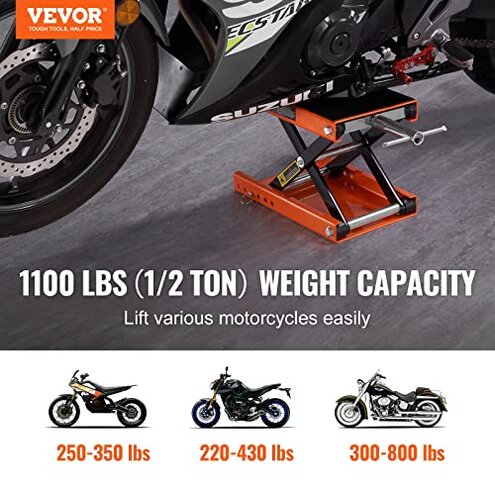
- Riders needing full stability: Avoid if you require rock-solid support for heavy or tall maintenance tasks.
- Daily shop users: Avoid if you plan heavy daily lifting since wear reports are more disruptive than expected.
- Buyers who dislike extra work: Avoid if you do not want to add chocks, blocks, or source spare parts.
Who this is actually good for
- Occasional home users: Good for light cleaning or simple jobs when you can monitor the bike while raised.
- Budget-conscious owners: Good if you accept adding small upgrades (blocks/pins) to save upfront cost.
- Single-bike hobbyists: Good for short maintenance tasks where long-term wear is unlikely to be tested.
Expectation vs reality
- Expectation: Reasonable for this category is a stable platform for routine maintenance.
- Reality: The platform often needs extra supports and alignment work, making routine jobs longer.
- Expectation: Buyers expect complete, durable hardware out of the box.
- Reality: Some units arrive with loose or missing small parts and require local fixes.
Safer alternatives
- Choose wider deck models to reduce alignment and stability hassles for cruisers and touring bikes.
- Select stronger locks or multi-pin safety designs to avoid mid-lift wobble risks.
- Prefer higher reach lifts if you need under-bike access without extra ramps or blocks.
- Buy with spare parts or from sellers with clear replacement policies to avoid downtime.
The bottom line
Main regret: The lift's instability and setup gaps are the primary trigger that can halt safe maintenance.
Why it matters: These issues exceed normal category risk because they add time and hidden costs to basic tasks.
Verdict: Avoid this model if you need a dependable, low-hassle shop lift; consider reinforced mid-range alternatives instead.
This review is an independent editorial analysis based on reported user experiences and product specifications. NegReview.com does not sell products.