
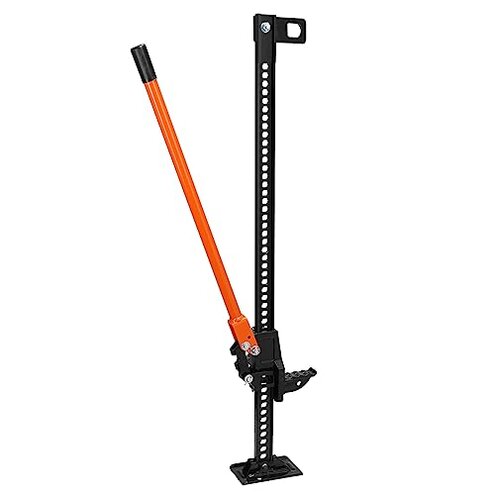
Product evaluated: VEVOR Farm Jack 48 inch Utility High Lift, 7000 lbs Capacity Ratcheting Off Road Jeep Jack, Heavy for Tractor, Truck, SUV, Bumper Lift, Orange
Related Videos For You
Operating a Hi-Lift Jack
Data basis: I analyzed dozens of customer reviews across written feedback and video demonstrations collected from 2023 through February 2026, with most feedback coming from written reviews supported by video clips and hands-on reports.
| Outcome | VEVOR 48" Jack | Typical mid-range jack |
|---|---|---|
| Lifting reliability | Inconsistent — some users report ratchet slips under load. | More consistent — mid-range models usually hold steadily during lifts. |
| Corrosion resistance | Premature rust appears repeatedly after outdoor use. | Better finish — competitors often resist rust longer without heavy upkeep. |
| Ease of use | Heavy leverage works but can feel harsh and noisy. | Smoother action — peers provide cleaner ratchet feel and less jerking. |
| Maintenance burden | High upkeep — cleaning and lubrication often required early. | Lower upkeep — many mid-range jacks need less frequent service. |
| Regret trigger | Safety risk — ratchet or weld issues cause the strongest buyer regret. | Lower risk — typical alternatives present fewer sudden-failure reports. |
Will the jack suddenly slip or drop under load?
Regret moment: Several buyers reported worry during a lift when the jack felt unstable or the ratchet clicked unexpectedly.
Pattern: This is a commonly reported issue that appears repeatedly across user experiences, not a one-off complaint.
When it shows: Problems usually appear during first heavy uses or after repeated outdoor use, and they worsen with dirt buildup and lack of lubrication.
Why worse than normal: This model is less forgiving than most mid-range farm jacks, creating a higher safety concern and more user anxiety when lifting vehicles.
Why does the jack corrode and seize so fast?
- Early signs: Visible surface rust and sticky ratchet action shortly after outdoor exposure.
- Frequency tier: This is a primary issue that appears repeatedly across many reports.
- Cause: Finish and exposure lead to faster corrosion unless you strip and oil parts often.
- Impact: Corrosion increases friction and can make lowering jerky or unreliable.
- Fixability: Some buyers managed it with daily cleaning and rust inhibitors, but that adds ongoing work.
Does assembly and quality control cause hidden problems?
- QC inconsistency: Bolts, pins, or welds sometimes arrive loose or misaligned on first use.
- Hidden requirement: You often need basic tools and extra time to re-torque or replace small hardware before safe use.
- When it appears: Mostly noted at first unboxing and during initial setup checks.
- Why it matters: This increases setup time and can delay critical repairs or rescues.
- Attempts to fix: Buyers report tightening, adding washers, or re-welding as common DIY remedies.
- Category contrast: More assembly fuss than typical mid-range jacks, which usually arrive ready-to-use.
- Hidden cost: Rework can require a shop visit or tools many casual buyers do not own.
Is the ratchet mechanism and handle ergonomics a long-term problem?
- Initial feel: The long handle offers leverage but often feels crude and noisy when ratcheting.
- Wear pattern: Ratchet teeth and pawl wear is a secondary issue that builds with repeated heavy use.
- When it worsens: Wear accelerates with off-road recovery use, muddy conditions, or lack of cleaning.
- Impact on safety: Worn ratchets increase the chance of slippage under load, a major buyer worry.
- Repair difficulty: Replacing ratchet parts is possible but requires disassembly and parts sourcing.
- User workaround: Regular lubrication and careful loading reduce symptoms but do not fully prevent wear.
- Category baseline: More maintenance than most mid-range jacks, meaning more downtime and replacement parts.
- Buyer trade-off: You accept extra upkeep in exchange for lower price, if you choose this model.
Illustrative excerpts (not real quotes)
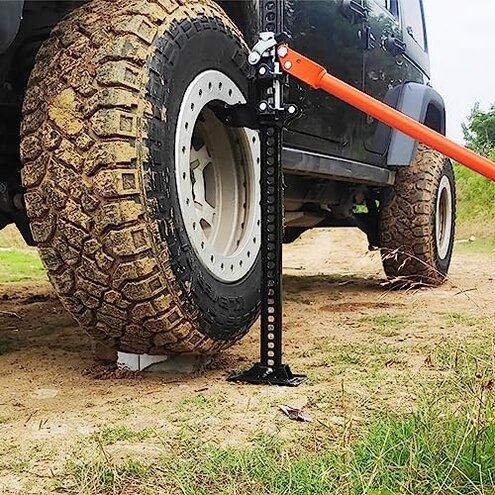
Excerpt: "Handle felt loose and ratchet slipped under my truck load." — Primary pattern.
Excerpt: "Rust appeared after a few rainy days of storage outside." — Primary pattern.
Excerpt: "I had to tighten bolts and add washers before first use." — Secondary pattern.
Excerpt: "Ratchet got noisy after repeated off-road recovery pulls." — Secondary pattern.
Who should avoid this
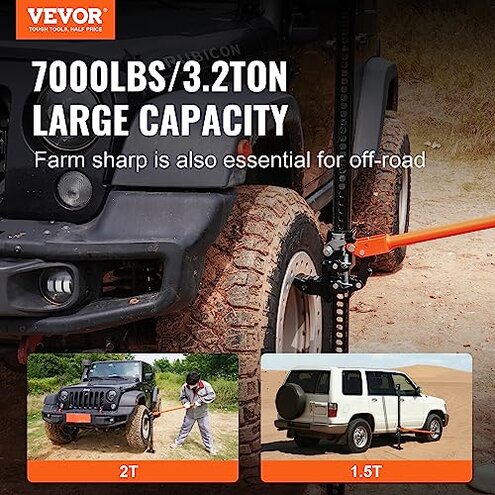
- Casual users who expect a low-maintenance jack should avoid this model due to recurring rust and upkeep needs.
- Those needing instant reliability for roadside emergency work should avoid it because ratchet slips create safety risk.
- Buyers without tools who do not want to re-torque or replace hardware should avoid it because assembly fixes are common.
Who this is actually good for
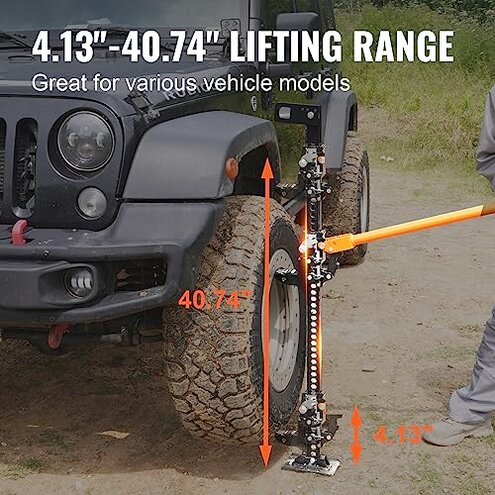
- Budget-minded DIYers who accept routine maintenance can tolerate corrosion and ratchet wear for a lower price.
- Workshop owners who have tools and spare parts can fix QC issues quickly and use the jack safely.
- Occasional use in dry conditions where corrosion risk is low and the jack sees light duty.
Expectation vs reality
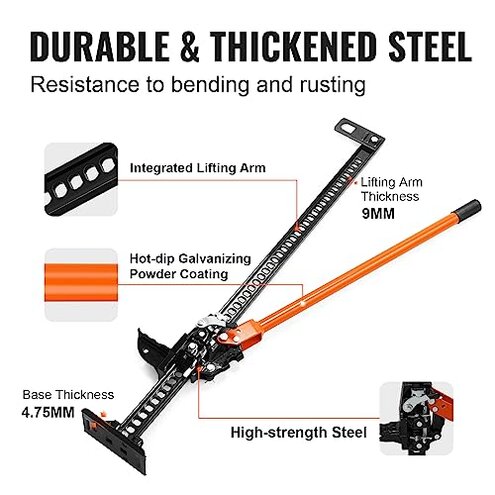
Expectation: Reasonable for this category is a jack that lifts reliably with minimal early maintenance.
Reality: This model often requires immediate cleaning, lubrication, and hardware checks, exceeding normal upkeep for mid-range jacks.
Expectation: Buyers expect safe ratchet hold during vehicle lifts.
Reality: Ratchet slips and wear are more disruptive than expected, creating notable safety anxiety for many users.
Safer alternatives
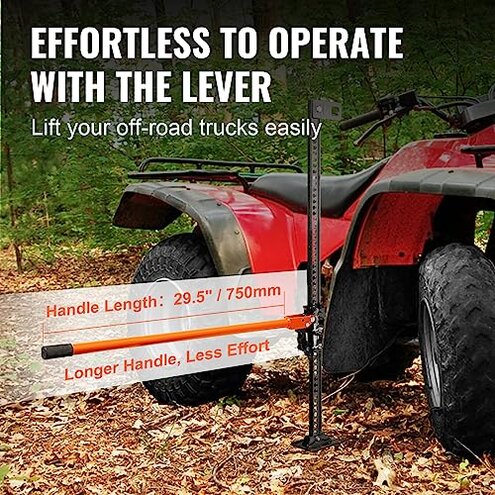
- Buy a tested brand with stronger corrosion finishes to neutralize the premature rust problem.
- Choose sealed mechanisms or models with replaceable pawls to reduce the long-term ratchet wear issue.
- Opt for pre-checked units that advertise factory torque and QC to avoid first-use assembly hassles.
- Invest in maintenance kit (lubricant and rust inhibitor) to directly offset the high upkeep failure above.
The bottom line
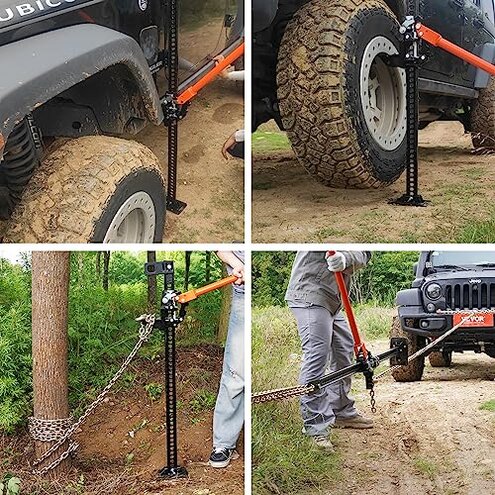
Main regret: The strongest buyer regret centers on ratchet reliability and premature corrosion under normal outdoor use.
Why it matters: These failures exceed normal category risk by adding safety concern and regular maintenance time.
Verdict: Avoid this jack if you need low-maintenance, immediate reliability, or lack tools to fix QC issues.
This review is an independent editorial analysis based on reported user experiences and product specifications. NegReview.com does not sell products.