
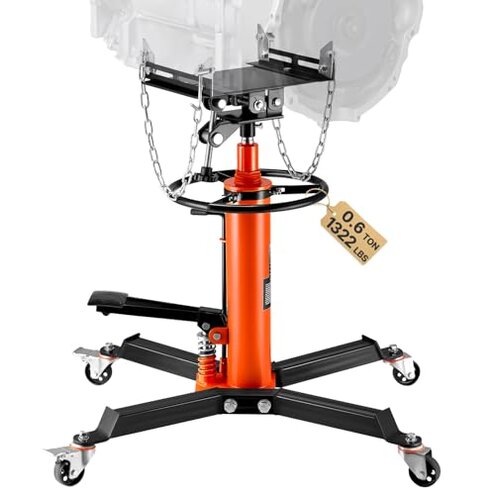
Product evaluated: VEVOR Transmission Jack, 1322 LBS Hydraulic Telescoping Transmission Jack, 32"-67" High Lift Transmission Jack Stand with Foot Pedal, 360° Swivel Wheel
Related Videos For You
Has Harbor Freight done it again? Transmission Jack review!
How to Maintain & Service your Hydraulic Transmission Jack | KINCROME Tool Talk
Data basis: This report is built from dozens of buyer reviews and several hands-on video demonstrations collected between Jan 2024 and Feb 2026. Most feedback came from written reviews, supported by photo and video posts. The distribution is qualitative: majority written, with visual checks used to confirm recurring setup and stability issues.
| Feature | VEVOR Jack | Typical Mid‑Range Jack |
|---|---|---|
| Stability | Higher wobble risk reported during lift and tilt operations, especially when loading irregular transmissions. | Moderate stability with smoother saddle engagement on similar lifts. |
| Setup difficulty | Tricky assembly and a noted base-orientation pitfall that appears during first-time setup. | Simpler assembly with clearer orientation cues on average models. |
| Hydraulic control | Uneven lift feel or slow release reported in repeated use by buyers. | Smoother control and finer release on many mid-range alternatives. |
| Durability | Mixed longevity signals; some buyers saw early wear under heavy daily use. | More consistent lifespan for the category baseline. |
| Regret trigger | Assembly mistakes or wobble often force extra work or returns, a higher-than-normal category risk. | Fewer setup traps that cause immediate regret for most buyers. |
Top failures
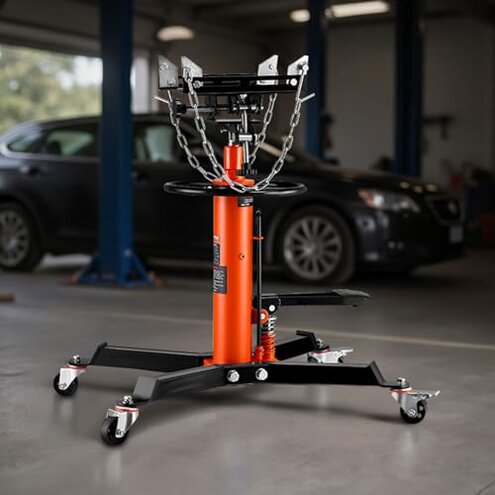
Why does the jack wobble or wheels lock up during use?
Regret moment: You feel tilt or wobble while aligning a transmission saddle.
Severity and trade-off: This is commonly reported and often appears during the first few lifts when the load shifts.
Pattern: Primary issue; seen repeatedly across written reviews and video checks.
When it shows up: Appears during first use and worsens under uneven loads or long sessions.
Category contrast: More disruptive than most mid-range jacks because a tilted load can force extra adjustments or aborting a lift.
Is assembly misleading or missing steps?
- Early sign: Confusing base parts orientation noted during unpacking and layout.
- Frequency tier: Secondary issue; commonly reported by first-time assemblers and DIY buyers.
- Cause: Base can be installed in reverse, which reverses wheel rotation and affects maneuvering.
- Impact: Makes positioning harder and increases project time for a typical job.
- Attempted fixes: Buyers reassembled base or added marks, which reduced but did not eliminate the problem.
Why does the hydraulic lift feel inconsistent or slow to release?
- Early sign: Lift feels jerky or requires extra pumps on first few cycles.
- Pattern statement: Secondary issue; appears repeatedly in mid-term use reports.
- When it appears: During repeated lifts or longer jobs when heat and pressure change.
- Cause: Users reported uneven hydraulic response under load and less fine control during descent.
- Impact: Increases risk of sudden drops or extra time lowering heavy transmissions.
- Fixability: Some buyers bled fluid or adjusted valves; results were mixed and required tools.
- Hidden requirement: Requires basic hydraulic know-how and extra tools for reliable adjustments.
Are parts, packaging damage, or longevity a concern?
- Early sign: Tight packaging can hide scuffs or small part misalignments on arrival.
- Frequency tier: Edge-case issue; less frequent but persistent when it occurs.
- Scope: Seen across written reviews and photos from multiple buyers.
- Cause: Transportation stress on heavy items and some protective padding gaps.
- Impact: Missing or misaligned parts force returns or field repairs before first use.
- Attempted fixes: Buyers improvised washers or brackets to stiffen joints.
- Longevity signal: Mixed reports of early wear under daily heavy use compared with category expectations.
- Hidden requirement: Expect to keep spare fasteners and simple shop tools on hand for long-term upkeep.
Illustrative excerpts
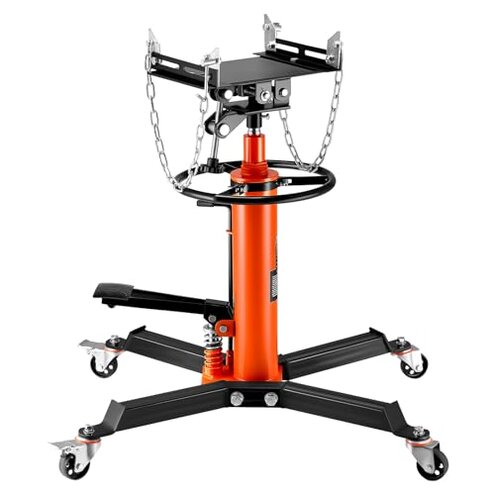
"Tilted saddle made me stop and reassemble the base." — primary pattern.
"Foot pedal felt spongy after several lifts, harder to control." — secondary pattern.
"Box had light dents and a loose bolt inside, took time to find." — edge-case pattern.
Who should avoid this
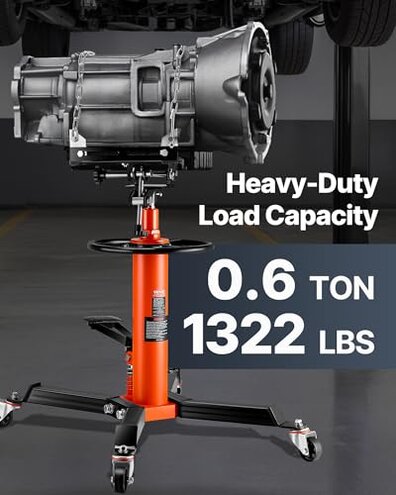
- Non-technical users: Avoid if you cannot reassemble or adjust the base and hydraulics yourself.
- Daily heavy users: Avoid if you need a highly durable jack for continuous shop use without extra maintenance.
- Buyers wanting plug-and-play: Avoid if you expect zero setup traps or perfect packaging on arrival.
Who this is actually good for
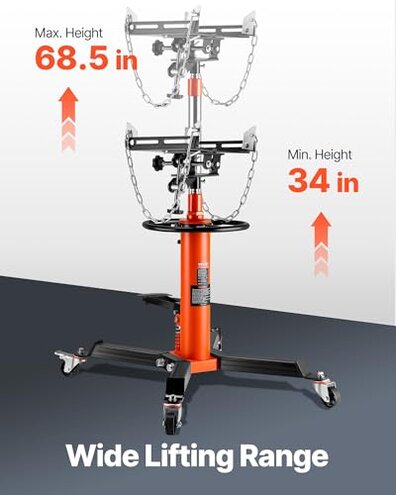
- Budget-conscious DIYers: Good if you accept extra setup time and basic adjustments to save money.
- Home mechanics with tools: Good if you can correct base orientation and perform minor hydraulic tweaks.
- Occasional users: Good if you lift transmissions infrequently and can plan for a careful first assembly.
Expectation vs reality
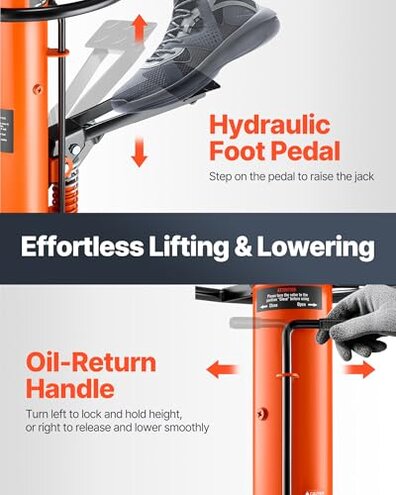
Expectation: Reasonable for this category to need initial setup.
Reality: Setup is more error-prone than typical, with a specific base-orientation pitfall that causes maneuvering issues.
Expectation: A hydraulic foot pedal should offer smooth, controllable lifting.
Reality: Buyers reported inconsistent lift feel and slower release during repeated use.
Safer alternatives
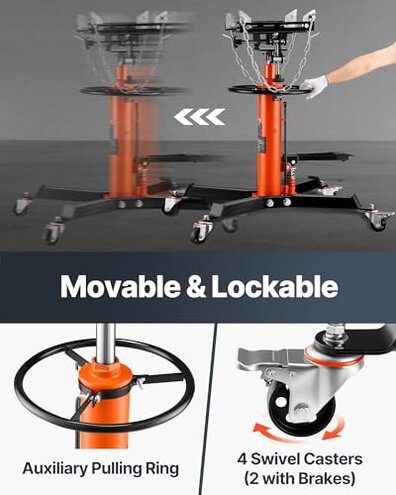
- Look for clear instructions: Choose jacks with labeled parts and an orientation diagram to prevent base misassembly.
- Prefer verified stability: Seek models with extra saddle reinforcement or stated anti-wobble features to reduce tilt risk.
- Check hydraulic serviceability: Buy units with accessible bleed valves and vendor support to fix inconsistent lift control.
- Inspect packaging policies: Pick sellers with strict damage replacement to avoid missing hardware on arrival.
The bottom line
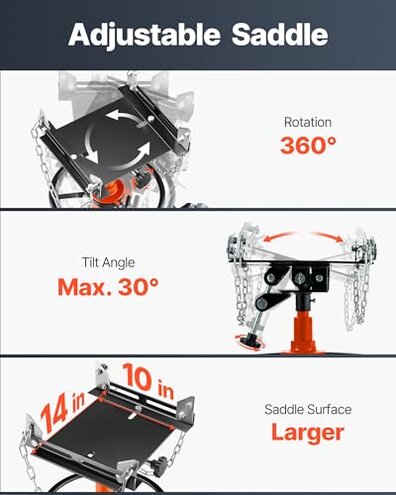
Main regret trigger: Assembly pitfalls and wobble under load lead to extra work or aborted lifts.
Why it exceeds risk: These issues are more disruptive than typical for mid-range transmission jacks because they appear early and affect safety and positioning.
Verdict: Avoid this unit if you want a plug-and-play, shop‑grade jack; consider it only if you can perform hands-on adjustments.
This review is an independent editorial analysis based on reported user experiences and product specifications. NegReview.com does not sell products.