
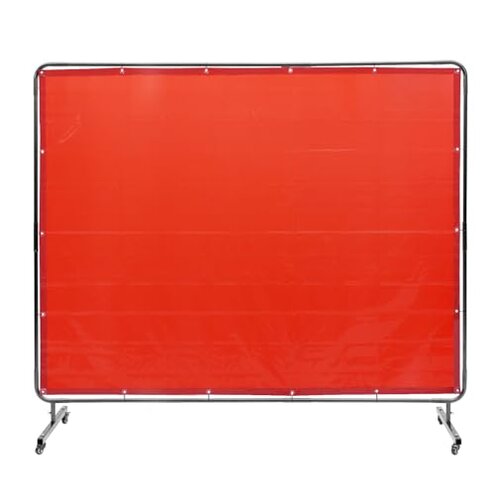
Product evaluated: VEVOR Welding Screen with Frame, 6' x 8' Welding Curtain Screen, Flame-Resistant Vinyl Welding Protection Screen on 4 Swivel Wheels (2 Lockable), Moveable & Professional for Workshop/Industrial, Red
Related Videos For You
Welding Curtains and Welding Screens - Portable and Inexpensive
Keeping the WELDING TABLE clean, shiny & smooth
Data basis Dozens of customer reviews and video demonstrations were analyzed for this report, collected from Jan 2024 to Jan 2026. Most feedback came from written reviews, supported by video demonstrations and photo posts. The mix shows both setup-time problems and in-use performance notes.
| Outcome | VEVOR 6'x8' | Typical mid-range |
|---|---|---|
| Stability | Wobble reported — instability and tipping incidents appear repeatedly during normal repositioning. | Generally stable — mid-range screens rarely tip and often include sturdier bases. |
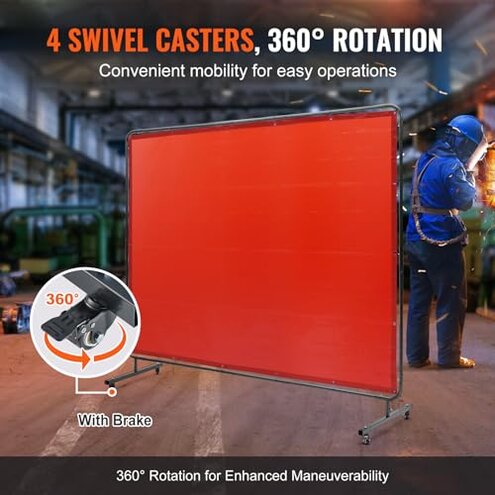
| Mobility | Wheels are convenient but some buyers report quick wear or loose swivels after use. | Heavy-duty wheels on better models resist wear and lock more securely. |
| Assembly & hardware | Missing/fragile parts are a common theme, increasing setup time and frustration. | Complete kits typically include clearer instructions and stronger fasteners. |
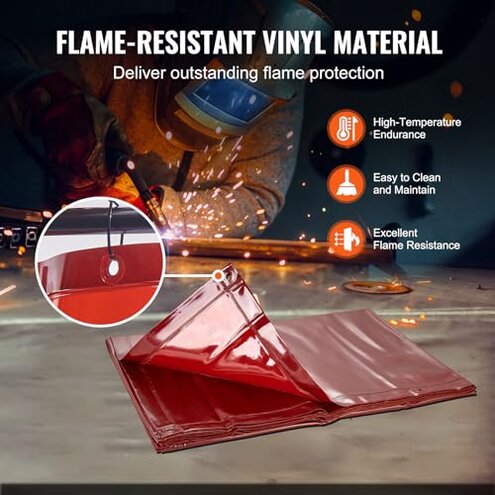
| Protection | Material generally blocks sparks and UV but fit and grommet durability varies. | Consistent coverage and reinforced grommets are more common in mid-range options. |
| Regret trigger | Frequent setup fixes — buyers report extra reinforcement and parts swaps soon after first use. | Lower risk — mid-range units usually work correctly out of the box. |
Why does the frame feel unstable during normal moves?
Regret moment The frame may lean or wobble when you roll it into place or lock a wheel. This is more disruptive than expected for this category because a welding screen should stay put during short moves.
Pattern Reports of wobble are commonly reported and repeat across buyers. Usage anchor The issue shows up on first setup and after several repositionings during typical workshop use.
Category contrast Less forgiving than most mid-range alternatives because buyers often must add weight or extra bracing to prevent tipping.
Does the curtain hardware fail or tear quickly?
- Early sign Loose or bent grommets during first assembly are a common signal of weak hardware.
- Frequency tier This is a primary issue for several buyers, appearing repeatedly in early-use reports.
- Cause Thin fasteners and tight frames increase stress at attachment points during normal adjustments.
- Impact Tears or stretched holes reduce coverage and require repairs or replacements sooner than expected.
- Fixability Repair typically requires extra parts or sewing, adding time and cost after purchase.
Will the wheels and locks hold up under daily workshop use?
- Wear sign Buyers report loose swivels and brakes that don't fully lock after repeated moves.
- Scope This is a secondary issue seen across multiple feedback types, not universal but persistent.
- Worsens The problem appears during frequent repositioning and heavy workshop traffic.
- Practical impact Poor brakes mean you may need to constantly re-lock or block the screen during welding.
- Attempts Some users add zip ties, washers, or different casters to restore function.
- Hidden cost Replacement casters and tools add unexpected expense and time.
Are there hidden setup steps or missing parts I should know about?
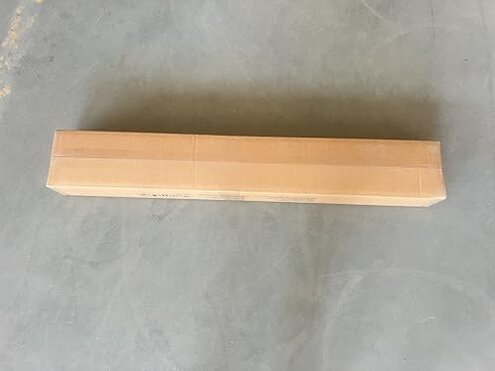
- Hidden requirement Several buyers must source extra bolts, tools, or reinforcement for a stable install.
- Early sign Confusing instructions and loosely packed hardware appear during unboxing for many users.
- Frequency tier This is a primary pattern and often reported at first assembly.
- Why it matters Extra steps extend setup time significantly compared with typical mid-range kits.
- Impact If you need a quick install, these hidden needs can turn a 30-minute job into hours.
- Workaround Buyers commonly buy stronger fasteners and use tools not included in the package.
- Long-term Ongoing maintenance for loose hardware is more likely than with sturdier alternatives.
Illustrative excerpts

"Wobbles when locked, had to add weight to stop tipping." — primary pattern.
"Grommet holes stretched after a week of use in my garage." — secondary pattern.
"Casters became loose after frequent rolling across shop floor." — primary pattern.
Who should avoid this
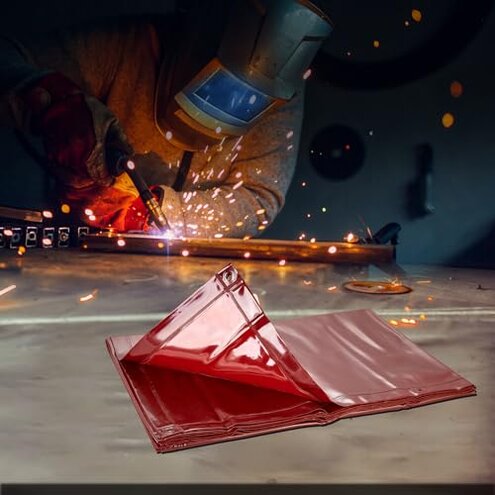
- Unstable-averse buyers Avoid if you cannot tolerate a frame that may need reinforcement or extra ballast to stay steady.
- Quick-setup needs Avoid if you need a screen that works perfectly out of the box without sourcing parts.
- Heavy daily use Avoid if you plan to roll and lock the screen many times per day; wheel wear was commonly reported.
Who this is actually good for
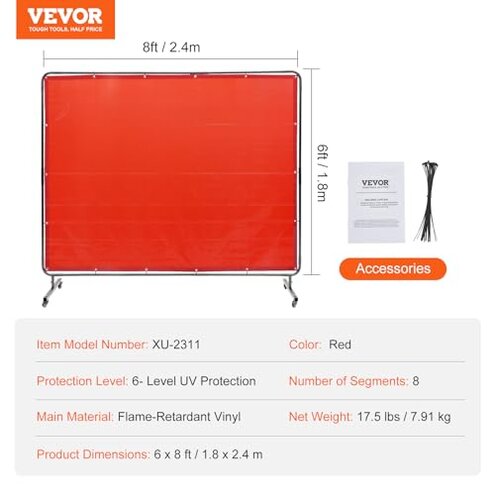
- Budget shops Good for low-cost, occasional welding where you can tolerate tightening and reinforcements.
- DIY modifiers Good if you are ready to upgrade casters and fasteners to improve durability.
- Light-duty stations Acceptable for infrequent use where mobility matters more than long-term toughness.
Expectation vs reality
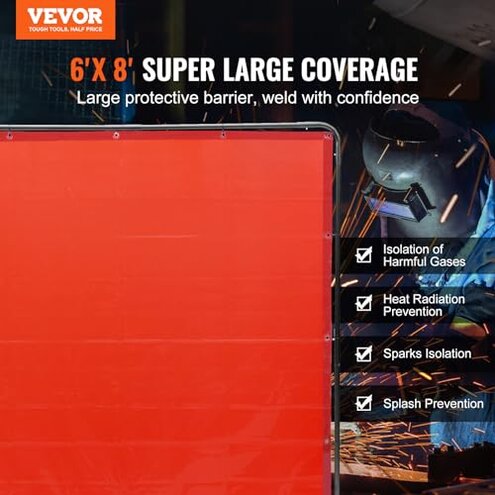
- Expectation Reasonable for this category: a mobile screen should stay stable when locked. Reality Many buyers need extra weight or bracing to prevent wobble.
- Expectation Hardware will hold under normal tension. Reality Grommet and fastener wear appears sooner than expected.
- Expectation Wheels and locks will last with routine moves. Reality Swivels and brakes may loosen with repeated repositioning.
Safer alternatives
- Look for reinforced frames — choose products that advertise thicker base plates or cross-bracing to neutralize tipping risk.
- Prefer industrial casters — select screens with heavy-duty, lockable wheels to avoid early wear and braking failures.
- Check hardware completeness — favor listings that show included bolts, wrenches, and step-by-step assembly photos to avoid hidden parts needs.
- Reinforced grommets — choose curtains with advertised reinforced grommets or double-stitching to prevent early tearing.
The bottom line
Main regret The most common trigger is stability and hardware reliability during normal setup and repeated moves. Buyers often must add reinforcement, better casters, or extra fasteners soon after purchase.
Why it matters These failures are more disruptive than typical mid-range screens because they add time, cost, and safety trade-offs that many buyers do not expect.
Verdict Consider alternatives if you need out-of-the-box durability or frequent mobility; this unit suits budget-minded users willing to perform upgrades.
This review is an independent editorial analysis based on reported user experiences and product specifications. NegReview.com does not sell products.