
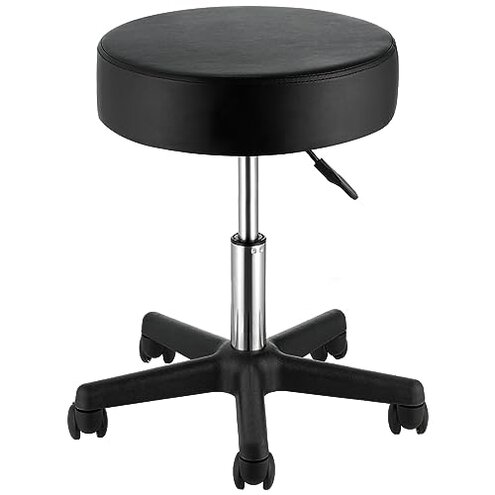
Product evaluated: VEVOR Rolling Stools with Wheels, 400 LBS Weight Capacity Adjustable Height Stool with Ultra-Thick Seat Cushion, Swivel Stools Chair for Salon, Bar, Home, Office, Tatoo, Medical, Massage, Black
Related Videos For You
How to assemble/build a rolling stool
How to move elderly safely from bed to chair ( # 729 ) ▶️ Transfer Lift Handicapped Wheelchair
Data basis: Analysis is based on dozens of buyer reviews and question threads collected between Jan 2023 and Jan 2026, with most feedback coming from written reviews and supported by unboxing and usage videos.
| Outcome | VEVOR rolling stool | Typical mid-range stool |
|---|---|---|
| Stability | Higher wobble risk reported after setup or weeks of use, more than expected for this class. | Moderate stability usually consistent out of the box and over months of normal use. |
| Cushion longevity | Surface wear and peeling appears repeatedly with daily use and longer sessions. | Better wear resistance from comparable models with thicker coverings at similar price points. |
| Mobility & floors | Caster issues and floor marking are commonly reported on hardwood or smooth tile. | Smoother rollers and fewer floor marks are typical among mid-range alternatives. |
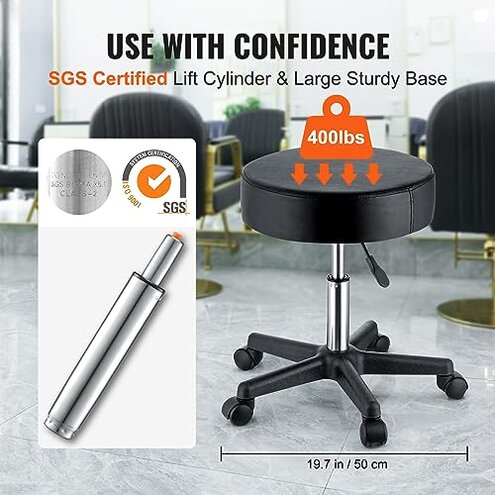
| Weight capacity | Rated 400 lbs which is competitive but real-world stress reports are mixed. | Typical rating 250–350 lbs with steadier long-term performance for most buyers. |
| Regret trigger | Wobble plus early wear causes the most buyer regret compared with typical mid-range stools. | Lower regret when stability and surface durability meet normal expectations. |
Top failures
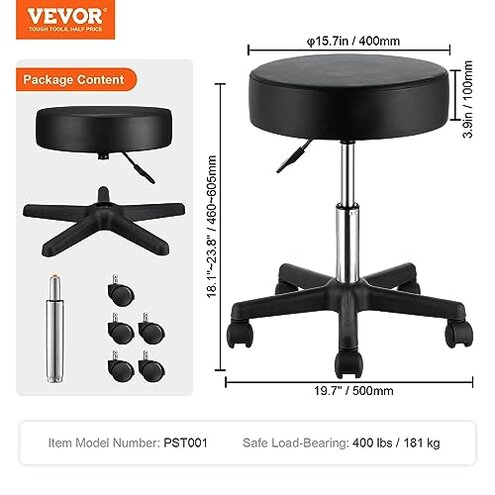
Why does the stool wobble or feel unstable after a few days?
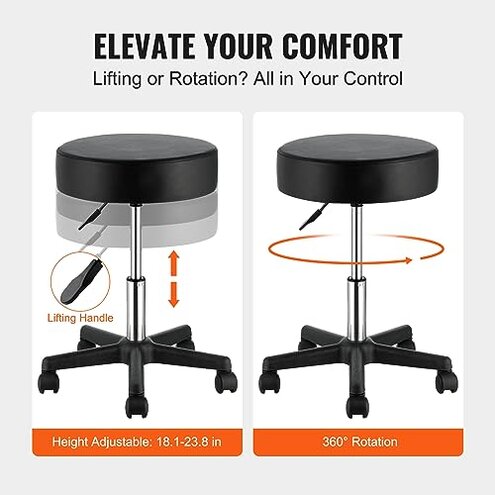
Regret moment: The seat can develop a noticeable wobble either immediately after assembly or within weeks of daily use.
Severity: This problem is among the most common complaints and is more disruptive than expected for a mid-range rolling stool.
Context: The wobble appears when shifting weight, during long sessions, and it often requires re-tightening or replacement of the gas lift.
Category contrast: Buyers expect a steady base at this price, but instability here leads to real discomfort and extra maintenance.
Why does the seat covering peel or flatten quickly?
- Early sign: Surface cracking or gloss loss appears after weeks of daily use, not months.
- Frequency tier: This is a primary issue that appears repeatedly in feedback about long-term comfort.
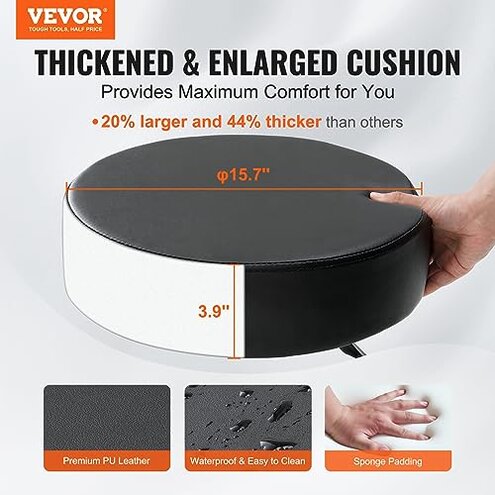
- Likely cause: Cover materials and compressed padding show surface wear faster than comparable stools.
- Impact: Peeling reduces comfort and makes cleaning harder, increasing replacement pressure.
- Fixability: Temporary fixes include covers or seat pads, but those add cost and change seat height.
Why do the casters roll poorly or mark floors?
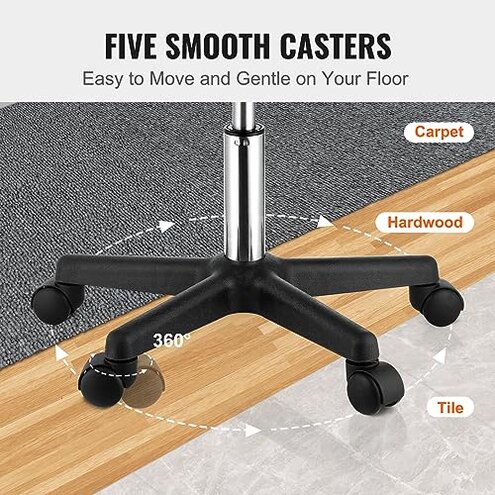
- Early sign: Resistance or uneven rolling shows up during first uses on hardwood and tile.
- Scope signal: This is a secondary yet persistent pattern across multiple buyer reports.
- Worsens when: The stool is moved frequently or used on delicate floors without a mat.
- Hidden requirement: Several buyers needed a protective mat to prevent marks and reduce noise.
- Impact: Floor damage risk and noisy rolling increase the total cost of ownership.
- Repair attempts: Replacing casters or lubricating wheels can help but adds time and expense.
- Category contrast: Better mid-range stools often include softer rollers or recommended floor protection from the start.
Why is assembly or fit frustrating out of the box?
- Tool needs: Assembly can require extra tightening after first use and occasional retorques.
- Fit issues: Some buyers report misaligned parts that need force or shimming to seat correctly.
- Frequency tier: This is a secondary issue; not universal but noticeably common among first-time users.
- When it shows: Problems appear at first setup and re-emerge after moving the stool frequently.
- Impact: Extra time and small tools become a hidden cost for buyers expecting plug-and-play.
- Fixability: Tightening, washers, or a stronger base mat reduce recurrence but demand effort.
- Category contrast: Many mid-range stools provide easier alignment and clearer assembly guidance.
- Hidden requirement: Expect to keep an Allen key and a spare washer for future adjustments.
Illustrative excerpts (not direct quotes)
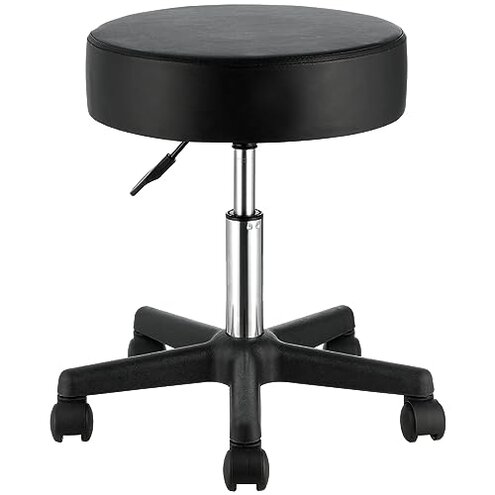
- "Seat started wobbling within two weeks of daily clinic use." — reflects a primary pattern of instability.
- "Leather-look top peeled at the edge after a month." — reflects a primary pattern of surface wear.
- "Casters scratched my hardwood despite claims they wouldn't." — reflects a secondary pattern about mobility.
- "Had to re-tighten base bolts twice in first week." — reflects an edge-case but recurring assembly issue.
Who should avoid this
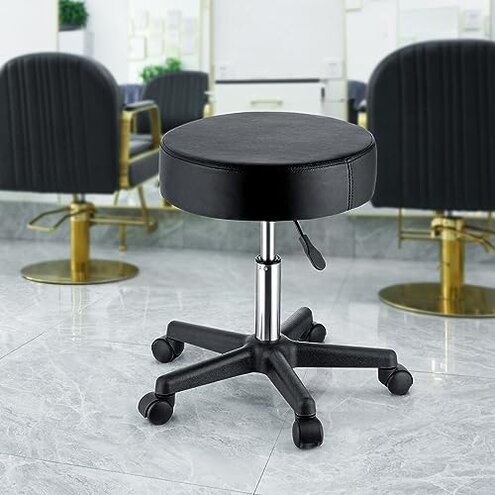
- Professionals needing rock-steady seats: If you sit long hours for medical, tattoo, or lab work, the wobble risk is too disruptive.
- Hardwood floor owners unwilling to add protection: If you won't use a protective mat, you risk marks and noise.
- Buyers demanding long-term seat finish: If you expect durable upholstery without replacement, this model may wear faster than alternatives.
Who this is actually good for
- Short-session users: For occasional home or garage tasks where extended comfort and long-term finish matter less.
- Budget-minded buyers: If you accept extra upkeep like tightening or replacing casters to save up-front cost.
- Users who add protection: If you plan to use a mat and a seat cover, you can neutralize floor and wear issues.
Expectation vs reality
- Expectation: Reasonable for this category is stable base and weeks of clean-looking upholstery without extra care.
- Reality: You may face early wobble and surface wear, requiring tightening and protective accessories to maintain condition.
- Expectation: Casters glide safely on common floors without marking.
- Reality: On hardwood or tile you often need a mat or caster upgrades to avoid marks.
Safer alternatives
- Look for reinforced bases: Choose stools with wider metal bases or confirmed long-term stability to reduce wobble risk.
- Prioritize tested upholstery: Seek coverings with proven wear ratings or offer replaceable seat covers to avoid early peeling.
- Buy soft-roll casters: Pick models that advertise floor-friendly rollers or include mats to prevent marks.
- Check assembly ease: Favor products with clear alignment guides and fewer required post-assembly adjustments.
The bottom line
Main regret: The combination of early wobble and surface wear is the most common trigger for buyer disappointment.
Why worse than normal: These problems demand extra maintenance and protective purchases, raising total cost beyond what buyers expect for a mid-range stool.
Verdict: Consider alternatives if you need long sessions, pristine upholstery, or worry-free floors; this stool suits short-term or budget users who accept upkeep.
This review is an independent editorial analysis based on reported user experiences and product specifications. NegReview.com does not sell products.