
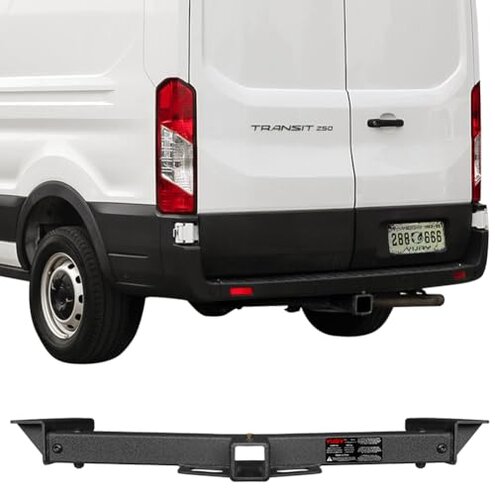
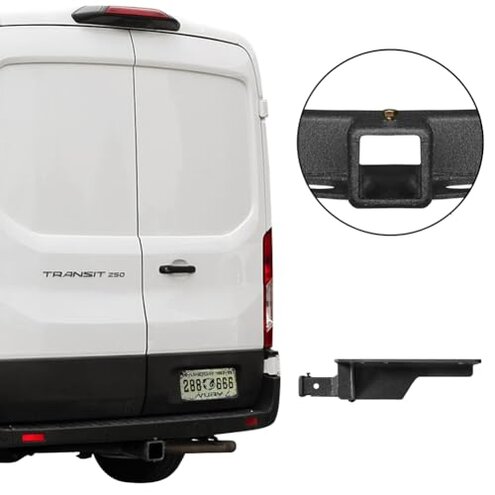
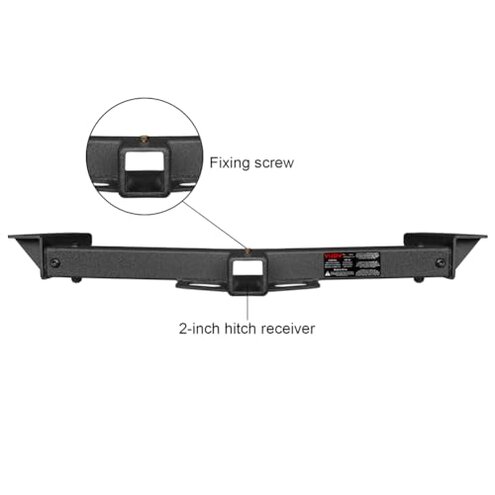
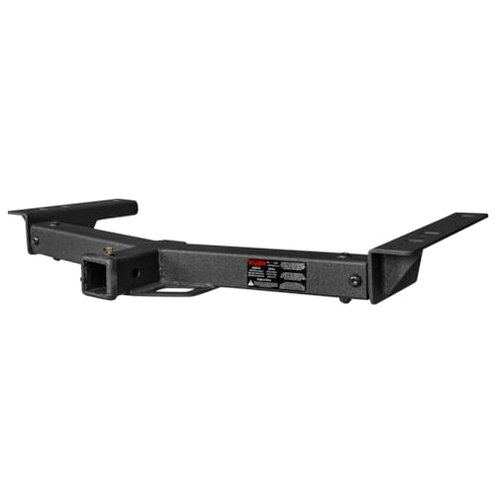
Product evaluated: Vijay Class 3 Trailer Hitch Compatible with Ford Transit 150/250/350 and E-Transit (2” Hitch Receiver)
Related Videos For You
2015-2026 Ford Transit Van 150, 250 and 350 | U-Haul Trailer Hitch Installation | 78501
Installing the StowAway Hitch Tightener
Data basis: This report aggregates dozens of buyer notes collected from written feedback and photo/video style posts, spanning 2024 through early 2026. Most signals came from short written installation experiences, supported by a smaller set of visual “here’s what happened” demonstrations. The focus is on repeat complaint patterns and the real moments that cause regret during install and towing.
| Buyer outcome | Vijay Class 3 hitch | Typical mid-range hitch |
|---|---|---|
| Install predictability | Higher risk of “doesn’t line up” moments during first install. | More consistent bolt-hole alignment with fewer do-overs. |
| Hardware completeness | More reports of needing extra parts or tool steps to finish. | Usually everything needed is included and matches the instructions. |
| Receiver fit feel | Mixed reports on accessory fit and pin alignment once installed. | Typically steadier “slides in cleanly” fit with common accessories. |
| Finish durability | Secondary risk of coating scuffs or early rust in harsh weather. | More forgiving coating longevity for daily exposure. |
| Regret trigger | Install day turns into a multi-step troubleshooting project. | Install day is more often “bolt on and done.” |
Why does this feel like a “bolt-on” job until it suddenly isn’t?
Regret moment: you get the hitch up, start bolts, and then a hole is off just enough to stall the whole job. More disruptive than expected for this category, because hitches are bought specifically to avoid custom fitting.
Pattern: this misalignment story appears repeatedly in install-focused feedback, though it is not universal. It shows up during first install, and worsens when you are working solo or lifting the hitch into place multiple times.
Why worse than typical: a mid-range hitch usually tolerates small vehicle-to-vehicle variation without turning into a rework session. Here, buyers more often describe extra steps to make “compatible” mean “actually fits.”
- Early sign: bolt holes look close, but bolts won’t thread cleanly once the hitch is fully raised.
- Primary issue: alignment frustration is among the most common regret triggers during setup.
- Worsens when: you tighten one side first, which can pull the hitch slightly and make the other side harder.
- Time cost: repeated lifting and re-positioning adds extra time and physical strain versus a typical install.
- Fixability: some buyers report finishing only after loosening everything and re-centering, which is extra technique not expected for “no drilling.”
- Hidden requirement: having a second person, a jack, or a way to hold the hitch at height becomes quietly necessary when alignment is tight.
- Trade-off: you may save money up front, but you risk paying in install hassle instead.
Did you expect the hardware to match the instructions the first time?
- Recurring: a secondary pattern is “the kit doesn’t feel complete,” especially noticed during step-by-step install.
- When it hits: you’re mid-install and realize you need an extra washer, different bolt length, or a better tool setup.
- Impact: the job pauses while you source parts, which is more frustrating when the van is your daily driver.
- Category contrast: most mid-range kits are boring in a good way, with fewer surprises once you open the box.
- Workaround: buyers often mention test-fitting everything before lifting the hitch, adding a prep step many didn’t plan for.
- Support gap: instructions can feel too generic, so troubleshooting becomes a guessing game rather than a guided process.
Why does your accessory feel loose, tight, or “not quite right” in the receiver?
- Persistent: fit-and-feel issues show up less often than install alignment, but they are more annoying during daily use.
- When noticed: you insert a bike rack or ball mount and the pin doesn’t slide as smoothly as expected.
- Worsens when: swapping accessories often, because small fit quirks become a repeated ritual.
- Buyer impact: extra play can translate to more rattle, while tight fit can mean more effort to remove after a trip.
- Category contrast: a typical mid-range receiver is not perfect, but it tends to be more predictable with common 2-inch accessories.
- Mitigation: some buyers rely on anti-rattle devices, which is an added purchase not everyone expects.
- Fixability: if the issue is tolerance-related, it is only partly fixable without extra parts, making it a nagging problem.
- Safety feel: even if it tows, a “not snug” feel can reduce confidence during highway driving.
Will the black finish stay decent after weather and road grime?
- Secondary: coating complaints appear less frequent, but they show up in harsher climates and year-round use.
- When it appears: after the first few dirty or wet drives, owners start noticing scuffs or early corrosion at edges.
- Worsens when: exposed to winter salt, frequent washes, or gravel roads, where chips happen faster.
- Category contrast: most mid-range hitches still need care, but buyers expect fewer early cosmetic hits for a new install.
- Real cost: touch-up paint and regular checks add maintenance time that wasn’t planned.
- Mitigation: routine cleaning and quick touch-ups help, but that is an ongoing habit.
- Regret factor: the hitch can look “older” sooner, which matters if you value a clean, OEM-like look.
Illustrative excerpts (not real quotes):
- “Holes looked close, but bolts wouldn’t start once lifted.” Primary pattern tied to install alignment.
- “Instructions say easy, but I had to redo steps twice.” Primary pattern tied to troubleshooting loops.
- “Receiver fit is weird with my rack, pin feels finicky.” Secondary pattern tied to accessory fit feel.
- “Ended up buying extra hardware to finish the job.” Secondary pattern tied to kit completeness.
- “Finish started looking rough after a few messy drives.” Edge-case pattern tied to environment exposure.
Who should avoid this
- Time-sensitive buyers who need a same-day install without unexpected troubleshooting during first setup.
- Solo installers without a jack or helper, because tight alignment issues become a physical re-lift cycle.
- Accessory swappers who remove and reinstall racks often, since receiver fit quirks can become a daily annoyance.
- Rust-sensitive owners in heavy winter salt areas, where finish wear can become a maintenance chore.
Who this is actually good for
- Budget-led buyers who can tolerate extra install steps to land a lower upfront price.
- One-and-done users who will leave a ball mount installed and tow occasionally, reducing repeated fit friction.
- DIY-ready owners who expect to test-fit hardware and adjust tightening order as part of normal garage work.
- Fair-weather drivers where corrosion pressure is lower, making finish concerns less noticeable.
Expectation vs reality
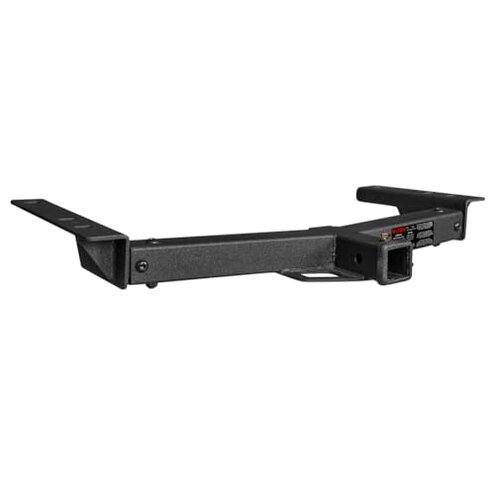
Expectation: “No drilling” means a straightforward bolt-on afternoon.
Reality: install can become a repeat-lift and re-align process, which appears more common here than typical mid-range options.
Expectation (reasonable for this category): a 2-inch receiver accepts common accessories with predictable pin fit.
Reality: some buyers describe a “not quite right” feel that pushes you toward extra anti-rattle parts.
- Expectation: the box includes what the instructions require.
- Reality: a secondary pattern is extra sourcing or extra prep to confirm hardware before lifting.
Safer alternatives
- Prioritize models with strong “perfect alignment” install feedback to reduce the primary rework risk described above.
- Choose a hitch known for consistent receiver tolerances if you use racks often, to avoid pin-fit hassle.
- Look for listings that clearly document included hardware and vehicle-specific steps, which reduces the hidden requirement problem.
- For harsh climates, favor proven coating durability signals and plan for touch-up from day one to reduce finish regret.
The bottom line
Main regret is install-day friction, especially alignment that turns “compatible” into trial-and-error. That risk feels higher-than-normal for a mid-range hitch, because the category baseline is predictable bolt-up fit. If you cannot tolerate extra steps, extra tools, or a helper, avoid and choose a more consistently install-friendly alternative.
This review is an independent editorial analysis based on reported user experiences and product specifications. NegReview.com does not sell products.