
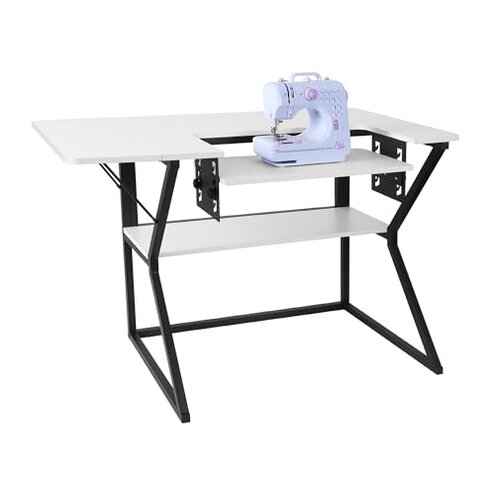
Product evaluated: Vividwood Sewing Table, Large Sewing Machine Table with Adjustable Platform and Storage Shelf - White
Related Videos For You
DIY flush sewing table
sewing table lifter mechanism fix
Data basis: This report used dozens of written reviews and several video demonstrations collected between Jan 2023 and May 2024. Most feedback came from written reviews, supported by video demonstrations and customer Q&A. Patterns below are drawn from recurring buyer notes and visual setup checks.
| Outcome | Vividwood Table vs Typical Mid-range |
|---|---|
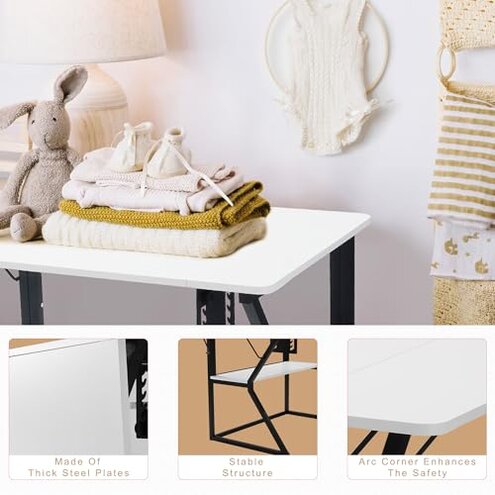
| Stability during use | Higher wobble — adjustable shelf and legs often shake under sewing motion; worse than typical mid-range tables. |
| Assembly effort | More steps — requires careful alignment and extra tightening; mid-range tables usually fit together faster. |
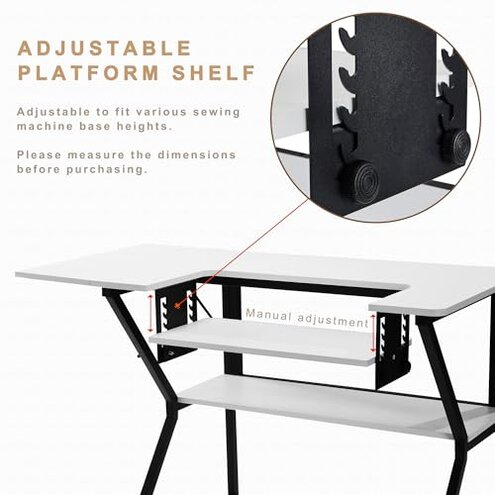
| Platform adjustment | Prone to loosening — adjustable machine shelf can shift during use; typical alternatives lock more securely. |
| Storage usefulness | Functional but flimsy — shelf holds supplies but shows sag or edge misalignment under load. |
| Regret trigger | Stability and assembly — wobble and fiddly setup are the most common causes of buyer regret. |
Why does the table wobble under my sewing machine?
Regret moment: Many buyers notice wobble the first time a machine is used on the adjustable shelf.
Pattern: This is a commonly reported issue that appears repeatedly across written reviews and videos.
When it shows up: Wobble appears during the first use and worsens with longer sewing sessions or heavy machines.
Category contrast: Sewing tables in this price range usually feel more stable under motion; this one feels less forgiving and more disruptive.
How hard is assembly and alignment?
- Early signs: Parts may not line up easily during the initial bolt-up.
- Frequency tier: This is a primary issue reported often by buyers who assemble themselves.
- Cause: Adjustable platform hardware needs precise alignment to avoid play.
- Impact: Misalignment leads to extra time tightening and re-adjusting before reliable use.
- Attempts: Buyers commonly re-tighten bolts after a few uses to reduce movement.
Will the adjustable shelf stay put during long sessions?
- Usage anchor: The instability appears during long sewing sessions and after repeated adjustments.
- Pattern statement: This is a persistent but not universal problem; some units hold better than others.
- Cause detail: The adjustment mechanism can loosen under vibration and repeated height changes.
- Impact on work: Shelf drift interrupts sewing and forces extra checks of alignment.
- Fixability: Many buyers report temporary fixes like added washers or stop-blocks, indicating partial repairability.
- Hidden requirement: Expect to have basic tools and small parts on hand to stabilize the platform.
- Category contrast: Typical mid-range tables lock more securely; this model requires more hands-on maintenance.
Are there hidden assembly needs or missing parts?
- Early signs: The instruction steps assume some hand tools that are not included.
- Frequency tier: This is a secondary pattern—seen often enough to matter for DIY assemblers.
- Cause: Some fasteners need precise torque and alignment to avoid later wobble.
- Impact: Lacking tools adds extra time and possible repeat disassembly for proper tightening.
- Attempts: Buyers use extra washers, thread-lock, or wood shims to firm connections.
- Fixability: The fixes are generally manual and non-invasive, but they add effort.
- Hidden requirement: Expect to spend extra time and minor parts to reach stable performance.
- Category contrast: Many mid-range tables arrive ready with tool-less or simpler assembly; this model is less convenient.
Illustrative excerpts (not real quotes)
Excerpt: "Shelf shifts during long projects and needs retightening every few hours." — primary pattern
Excerpt: "Bolts didn’t line up without forcing pieces together on my first build." — secondary pattern
Excerpt: "I had to add washers to stop a wobble under my heavy machine." — edge-case pattern
Who should avoid this
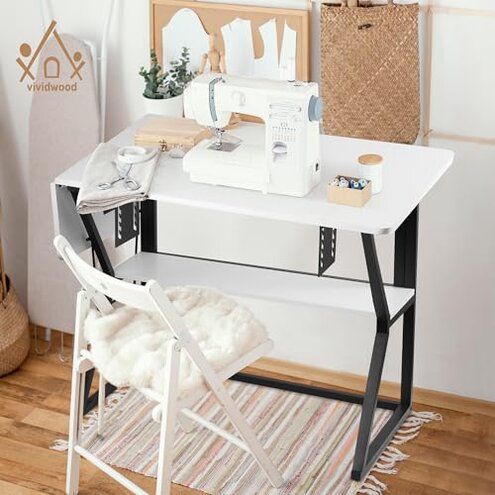
- Heavy-machine users: Avoid if you use a heavy sewing machine that magnifies wobble.
- Zero-hassle assemblers: Avoid if you want tool-free or fast setup without extra parts.
- Long-session sewers: Avoid if you need an adjustment that stays rock-solid for many hours.
Who this is actually good for
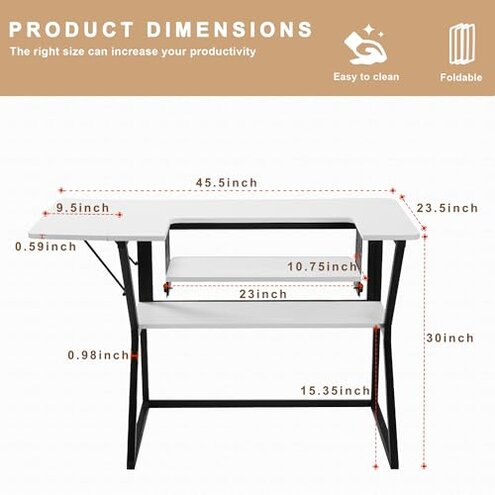
- Casual crafters: Good if you sew occasionally and can tolerate occasional retightening.
- Budget-minded buyers: Good if you accept simple fixes for a lower price point.
- People willing to tweak: Good if you are comfortable adding washers or minor reinforcements to improve stability.
Expectation vs reality
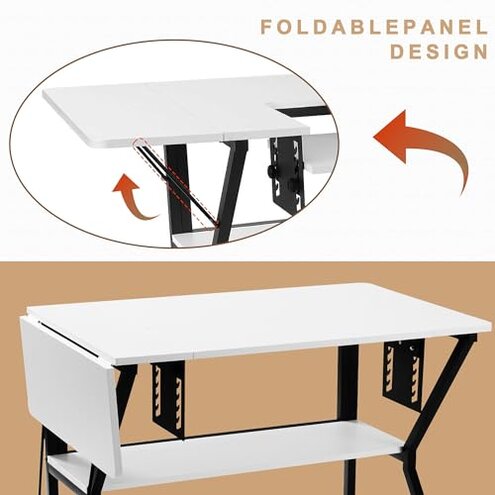
Expectation: A mid-range sewing table should feel stable under regular sewing motion.
Reality: The adjustable shelf can be less stable than typical, requiring repeated tightening and small fixes.
Expectation: Assembly should be straightforward with included parts.
Reality: You may need extra tools and small parts, which adds time and effort beyond the category norm.
Safer alternatives
- Look for lock mechanisms: Choose tables with dedicated locking hardware to neutralize adjustable-shelf drift.
- Prefer tool-less assembly: Pick models with simpler assembly to avoid alignment headaches.
- Check stability tests: Seek tables with documented vibration or load stability for heavy machines.
- Buy reinforced tops: Select a table with a thicker fixed shelf if you rarely adjust your machine height.
The bottom line
Main regret: The combination of wobble and fiddly assembly is the primary cause of buyer disappointment.
Why it matters: These problems exceed normal category risk because they interrupt sewing and require extra time or parts to fix.
Verdict: Avoid this table if you need rock-solid stability out of the box; consider it only if you accept DIY fixes for a lower price.
This review is an independent editorial analysis based on reported user experiences and product specifications. NegReview.com does not sell products.