
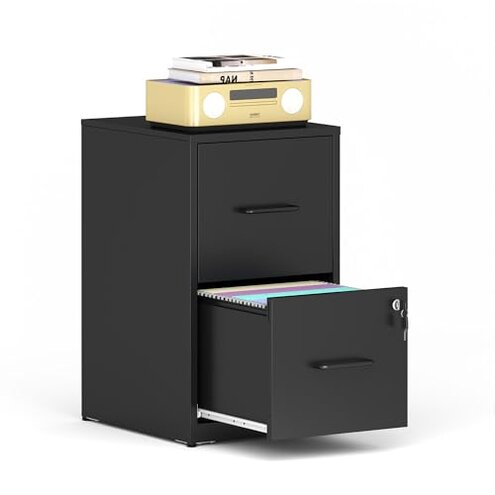
Product evaluated: VIYET File Cabinet, Vertical File Cabinets with Lock for Home Office,Heavy Duty Office Steel Filing Cabinet for Hanging Letters/Legal/A4, Assembly Required (Black, 2 Drawers-Small)
Related Videos For You
Assembly Instruction of 4 Drawer Metal File Cabinet by Furnitopper
How to Install File Cabinet Lock
Data basis: This report uses dozens of aggregated buyer comments collected from written feedback and photo or video-backed impressions between late 2024 and early 2026. Most signals came from longer written ownership notes, with smaller support from setup demonstrations and updated follow-ups after daily use.
| Buyer outcome | VIYET cabinet | Typical mid-range alternative |
|---|---|---|
| Setup effort | Higher risk of time-consuming assembly and alignment frustration before first use. | Usually easier with fewer fit issues and clearer steps. |
| Drawer feel | Less forgiving if parts are slightly misaligned during setup. | More tolerant of small assembly errors in normal use. |
| Stability confidence | Hidden need for wall anchoring can add extra steps for safe daily use. | Lower expectation gap because stability feels less dependent on extra install work. |
| Locking experience | Basic security, but convenience complaints appear when fit is not perfect. | More consistent open-close behavior around the lock area. |
| Regret trigger | Buying for quick setup and getting a project that needs patience and adjustment. | Buying for function and usually getting usable storage faster. |
Did you expect a simple build, not a small weekend project?
Primary issue: Assembly friction appears repeatedly and is among the most common complaints for this cabinet. The regret usually starts on first setup, when buyers expect basic file storage and instead spend extra time sorting parts, aligning panels, and redoing steps.
Category contrast: Some assembly is normal at this price, but this seems more disruptive than expected for a small two-drawer cabinet. A typical mid-range option still needs setup, yet it is often less sensitive to tiny alignment mistakes.
- Early sign: If the frame does not line up cleanly in the first stages, later drawer fit commonly gets worse.
- Pattern: This is a recurring issue rather than a one-off complaint, especially during initial assembly.
- What buyers notice: Holes, panels, or rails may feel fussy, which adds stop-and-start progress.
- Impact: What should feel like basic office furniture can turn into extra setup time and second-guessing.
- Fixability: Careful rechecking can help, but it often means backtracking through earlier steps.
- Hidden requirement: You may need more patience and floor space than expected to keep parts straight during assembly.
Illustrative: “I thought I’d be filing papers tonight, not rebuilding one drawer twice.”
Pattern type: This reflects a primary setup pattern.
Will the drawers feel smooth once it is finally built?
Secondary issue: Drawer operation complaints appear less often than assembly trouble, but they are more frustrating when they happen because they affect daily use. The problem usually shows up right after setup or during the first week, especially if the cabinet was assembled under time pressure.
Why it stings: In this category, buyers reasonably expect drawers to open and close without much thought. Here, the cabinet seems less forgiving than normal if anything is slightly off, so a small setup error can turn into repeated daily annoyance.
Use context: This gets worse during frequent filing, when you open and shut drawers often and notice drag, uneven movement, or finicky closing.
- Frequency tier: A secondary pattern, but persistent enough to matter.
- Trigger moment: The issue usually appears after assembly, not months later.
- Likely cause: Slight rail or frame misalignment seems to create touchy drawer travel.
- User impact: The cabinet can feel cheap in use even if it looks fine from a distance.
- Lock interaction: Closing can be more annoying near the lock area if the fit is not exact.
- Mitigation: Loosening and retightening hardware may help, but that adds extra adjustment many buyers did not expect.
- Long-term concern: Daily irritation matters more here because drawers are the main contact point every time you use it.
Illustrative: “It looks decent, but one drawer always needs a little shove.”
Pattern type: This reflects a secondary daily-use pattern.
Do you have to anchor it to feel safe using it?
Primary risk: The wall-locking or anti-tip need is a genuine hidden requirement for some buyers. The concern usually appears after setup, when the cabinet starts being used with real folders and one loaded drawer is opened.
Why this stands out: Anti-tip protection is not unusual in storage furniture, but this can feel more demanding than expected because the extra installation step is easy to overlook during purchase. That matters more in rentals, shared offices, or rooms where wall mounting is inconvenient.
- Pattern: Stability concern is a recurring caution, especially when buyers notice the included wall-locking function.
- When it matters: It becomes more important during daily handling with heavier file loads.
- Buyer surprise: Some people expect a small cabinet to feel ready to use without wall attachment.
- Real-world hassle: Anchoring adds extra tools and planning, which is a meaningful barrier in temporary spaces.
- Category contrast: Many mid-range cabinets still recommend safety steps, but fewer create the same expectation gap for casual home-office buyers.
Illustrative: “I didn’t realize safe use meant drilling into the wall too.”
Pattern type: This reflects a primary hidden-requirement pattern.
Is the lock actually convenient for everyday papers?
- Edge-case issue: Lock complaints seem less frequent than assembly or drawer fit problems.
- When it shows up: Friction tends to appear during daily opening and closing, not just at first glance.
- Why it matters: If drawer alignment is imperfect, the single-lock setup can feel less smooth than expected.
- Buyer impact: You may get basic security, but not the easiest access rhythm for frequent filing.
- Category contrast: A simple lock is normal in this segment, yet it feels more annoying when paired with drawers that already need careful closing.
- Fix attempts: Small adjustments may reduce the issue, though buyers often report extra fiddling rather than a quick cure.
- Best case: If you rarely lock it, this becomes a minor trade-off instead of a deal-breaker.
Illustrative: “The lock works, but using it every day gets old fast.”
Pattern type: This reflects an edge-case convenience pattern.
Who should avoid this
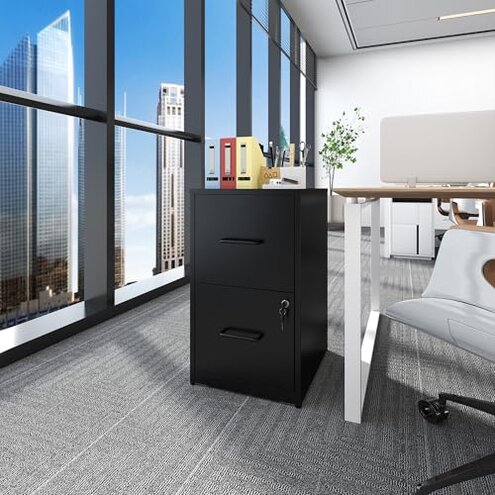
- Avoid it if you want a cabinet that is quick to assemble before a workweek starts.
- Avoid it if drawer smoothness bothers you, because small setup errors can create daily friction that feels worse than typical.
- Avoid it if you cannot anchor furniture to a wall, since the safety step may be more important than expected.
- Avoid it if you plan to open drawers many times a day, because convenience issues become more noticeable with frequent use.
Who this is actually good for
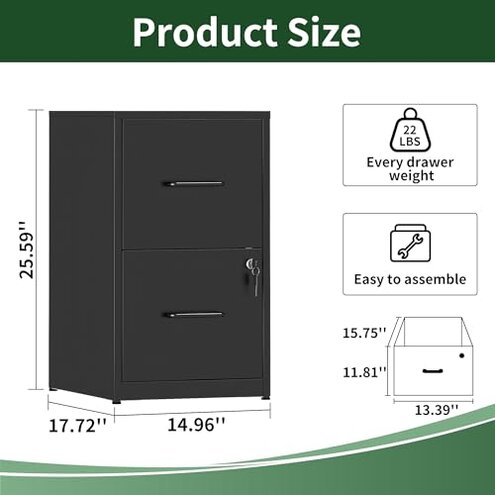
- It fits buyers who mainly want low-cost locked storage and can tolerate a slower setup process.
- It fits occasional users who do not mind adjusting drawers once if that saves money upfront.
- It fits people with a stable wall location ready for anchoring, since that removes one major surprise.
- It fits light home-office use where drawers are opened less often and lock convenience matters less.
Expectation vs reality
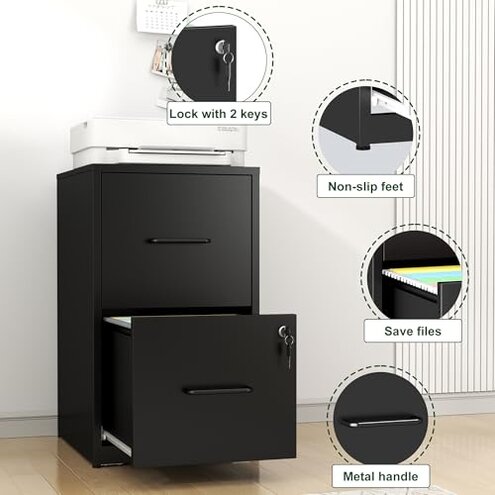
Expectation: A small filing cabinet should be reasonable for this category to assemble in a straightforward way.
Reality: This one appears more sensitive to alignment and can demand more patience than many mid-range alternatives.
Expectation: Once built, drawers should feel predictable in daily use.
Reality: If setup is even slightly off, the cabinet can feel fussy every time you file something.
Expectation: Safety hardware is nice to have, not a big part of ownership.
Reality: The anchoring step may be more important to real-world confidence than buyers first assume.
Safer alternatives
- Choose preassembled or mostly assembled cabinets if your main risk is setup frustration.
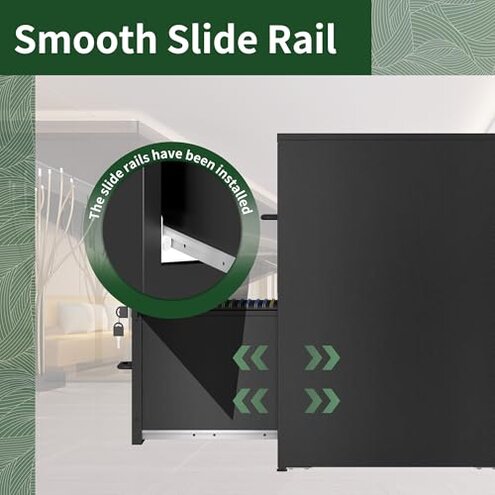
- Look for smoother rails and buyer photos of drawer gaps to reduce the chance of daily sticking or uneven travel.
- Prioritize anti-tip clarity if you cannot drill into walls, so you do not discover a hidden requirement after delivery.
- Check lock usage details if you need frequent access, because a basic lock can become annoying when paired with touchy drawers.
The bottom line
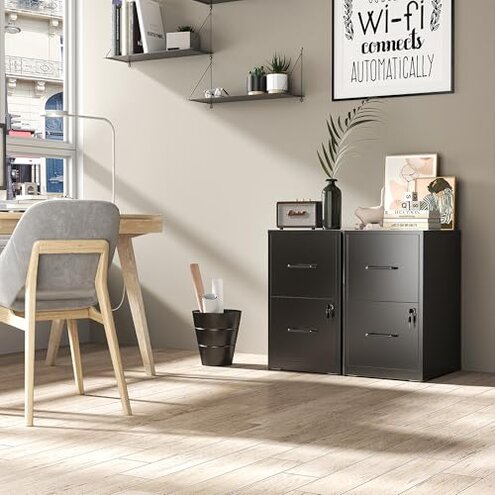
Main regret trigger: Buyers expecting simple, budget-friendly storage can end up with more setup and adjustment than this category usually tolerates. The higher-than-normal risk is not just assembly itself, but how that early friction can spill into drawer feel and lock convenience later. Verdict: Skip it if you need easy setup, smooth daily filing, or no-wall-install use.
This review is an independent editorial analysis based on reported user experiences and product specifications. NegReview.com does not sell products.