
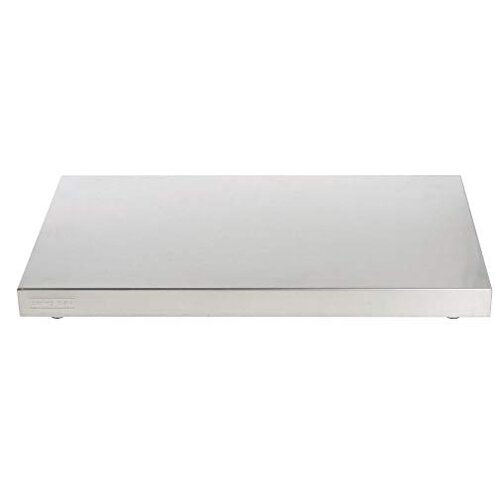
Product evaluated: Vollrath V903001 S/S Full Size Cooling Plate
Related Videos For You
full Size Stainless Steel Cooling Plate For Food Countertop Refrigerator Cooling Plate
What is a Cold Plate and How Does it Work?
Data basis This report aggregates feedback from dozens of written reviews, Q&A posts and video demonstrations collected between Jan 2020 and Jan 2026. Most feedback came from written reviews, supported by video demonstrations, giving a balanced view of first-use and longer-term experiences.
| Outcome | Vollrath V903001 | Typical mid-range plate |
|---|---|---|
| Cold retention | Shorter service Often loses chill during extended service compared to expectations. | Stable several hours Mid-range plates usually hold temperature longer under similar loads. |
| Durability | Handle with care Dents and finish wear appear after regular handling. | More forgiving Alternatives resist dings and look newer after repeated use. |
| Compatibility | Hidden extras Requires optional bases/lids for best containment (sold separately). | All-in-one Some mid-range options include base or better fit out of the box. |
| Price vs value | Higher cost Price is above mid-range while delivering less cold hold. | Better balance Mid-range models often offer comparable retention for less cost. |
| Regret trigger | Cold failure Main regret is losing chill during service, a higher-than-normal category risk. | Lower chance Typical plates produce fewer service interruptions for similar usage. |
Top failures
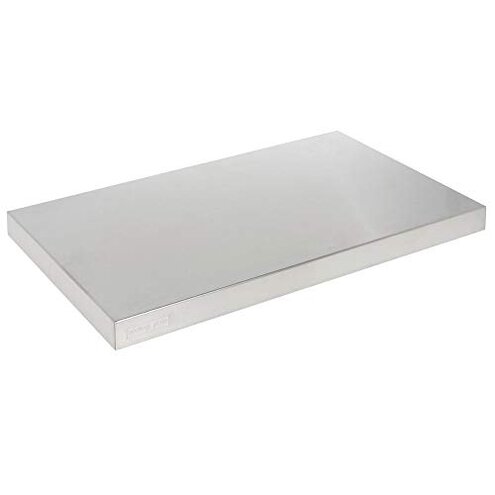
Why does the plate lose cold during service?
Regret moment You place chilled food and it begins to warm noticeably within service time.
Pattern This is a commonly reported issue that appears repeatedly across written and filmed demos.
Usage anchor It usually shows up during first few hours of buffet service or long catering shifts.
Category contrast More disruptive than expected because mid-range cooling plates typically maintain usable chill longer.
Why is an extra base required for usable performance?
- Hidden requirement The product notes a wood base is sold separately, which buyers often miss.
- Early sign You notice poor containment and spill risk until a rim or lid is added.
- Frequency tier This is a secondary pattern seen in many comments about setup hassles.
- Impact Needing separate accessories adds cost and setup time before first use.
- Fixability The issue is fixable by buying compatible bases, but that increases total purchase cost.
Why do dents and finish wear appear quickly?
- Noticeable sign Buyers report dings after normal handling and transport.
- Cause Frequent movement and stacking during service increases the wear rate.
- Frequency tier This is a persistent secondary issue rather than a rare edge case.
- Impact Cosmetic damage can affect resale or professional appearance.
- Attempts Users typically add protective padding or change handling practices to reduce dents.
- Hidden need Expect extra storage or transport protection that many buyers don’t plan for.
- Category contrast This model is less forgiving than most mid-range plates that resist marks better.
Why does the price feel high for the delivered performance?
- Value gap Several buyers say the cost is above what the plate delivers in practice.
- Regret rank This is a primary complaint and a common reason for returns.
- Usage anchor Regret usually forms after first event when cold hold proved insufficient.
- Cost impact Buyers end up buying extra accessories to achieve expected performance.
- Fix attempts Some replace with thicker plates or active cooling, adding time and expense.
- Category contrast More costly than typical mid-range alternatives with similar or better retention.
- Decision effect For professional users, this increases operating costs and logistical steps.
- Persistence The complaint remains even after multiple uses for many buyers.
Illustrative excerpts
"Plate warmed within two hours during my buffet service, disappointing." — primary pattern
"Needed a base I didn't expect to buy; setup took extra time and money." — secondary pattern
"Small dents after first transport, looks used right away." — secondary pattern
Who should avoid this
- Long-service caterers Avoid if you need consistent chill across multi-hour events; cold loss is more disruptive than normal.
- Budget-conscious buyers Avoid if you don’t want to buy extra bases or lids that raise total cost.
- High-traffic kitchens Avoid if frequent handling and transport are routine; dents and wear appear more often here.
Who this is actually good for
- Short-service events Good for quick setups where food is displayed under an hour and cold loss is less critical.
- Controlled environments Works for back-of-house staging where plates stay stationary and handling is minimal.
- Buyers tolerant of extras Suitable if you’re willing to add a base or lid and accept extra cost for improved containment.
Expectation vs reality
Expectation Reasonable for this category: a full-size cooling plate will keep chilled food cold through typical buffet hours.
Reality This plate often loses usable chill sooner than expected, forcing mid-service mitigation.
Expectation Reasonable for this category: handling should not cause immediate cosmetic damage.
Reality Many users report dents and finish wear after routine transport, increasing upkeep.
Safer alternatives
- Choose thicker cores Look for plates that advertise longer hold times to neutralize the cold-retention failure.
- Buy inclusive kits Prefer models sold with bases or lids to avoid hidden accessory costs.
- Check ruggedness Select plates with reinforced edges to reduce denting during transport and storage.
- Test before events Always trial a plate during a controlled shift to confirm real-world cold performance.
- Consider active cooling For long service, evaluate chafing or refrigerated solutions instead of passive plates.
The bottom line
Main regret The plate’s most common failure is losing usable cold during service, which triggers extra purchases and workaround steps.
Risk excess That failure is a higher-than-normal category risk because it directly harms service reliability and increases operating cost.
Verdict Avoid this model if you need dependable multi-hour cold hold or prefer an all-in-one solution without added purchases.
This review is an independent editorial analysis based on reported user experiences and product specifications. NegReview.com does not sell products.