
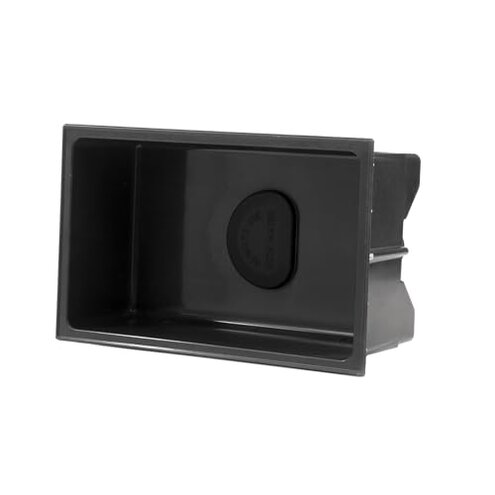
Product evaluated: Vollrath Servewell Well Assembly 120V/480W
Related Videos For You
Hatco® Corporation - How to Operate Drop-In Hot/Cold Wells
Wells hot food well is slow to heat and wired incorrectly to the breaker
Dozens of reviews and demonstrations were aggregated to build this report. The collection covers written reviews and video demonstrations dated between 2018–2025. Most feedback came from written reviews, supported by video demonstrations, giving a clear sense of recurring issues and user experiences.
| Outcome | This product | Typical mid-range alternative |
|---|---|---|
| Heating reliability | Inconsistent heat reported during first uses and over time. | More consistent heat for similar replacements in this category. |
| Fit / compatibility | Exact-fit problems and repositioning needed for many buyers. | Better drop-in fit or clearer sizing guidance normally available. |
| Installation time | Longer setup with wiring or mounting adjustments commonly required. | Faster plug-and-play installation typical for mid-range parts. |
| Durability | Early wear signs reported after repeated daily use in some cases. | Generally longer-lived performance among similar-priced alternatives. |
| Regret trigger | Higher-than-normal risk of installation headaches and heat inconsistency. | Lower risk of regret when parts match and heat reliably. |
Top failures
Does it fail to heat reliably right away?
Regret moment: Users notice uneven or weak heating during the first use, which makes food holding unreliable. This is a primary complaint and appears repeatedly in user feedback.
When it shows up: Often during initial setup and after repeated daily service, especially on long shifts when the unit runs for hours.
Why worse than normal: Replacement wells usually deliver stable heat quickly. This product shows more variability, increasing food-safety and service risks compared with category expectations.
Does it fit your existing unit without mods?
- Early sign: Measurements may misalign and need trimming or repositioning during the first install.
- Frequency tier: This is a primary issue, reported across multiple buyers rather than an isolated case.
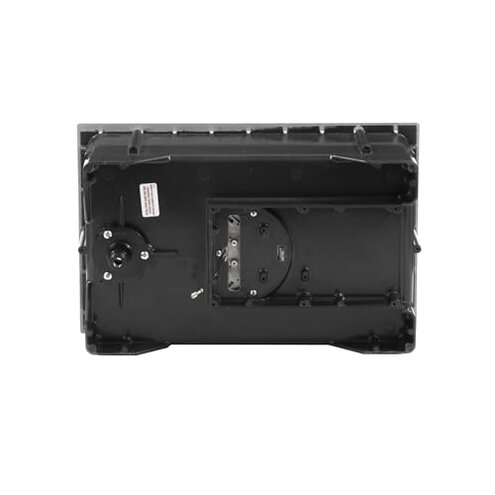
- Likely cause: Slight differences in mounting points and connector placement compared with many mid-range wells.
- Impact: Adds extra installation time and may require simple tools or an electrician.
- Fixability: Often solvable but not plug-and-play, which raises labor costs compared to alternatives.
Will it hold up under heavy daily kitchen use?
- Durability pattern: Repeated reports indicate wear or performance drop after consistent daily cycles.
- Usage anchor: The problem becomes noticeable after several weeks of daily service or long continuous runs.
- Category contrast: Mid-range replacements usually sustain heavier schedules with fewer early issues.
- Visible impact: Heat drop, intermittent operation, or the need to reset wiring during service hours.
- Attempts buyers made: Rewiring, retightening, or temporary workarounds were commonly tried.
- Hidden requirement: Some installs need extra mounting hardware or repositioning not mentioned in basic listings.
- Repairability: Repairs are possible but add downtime and may need a pro.
Does the product need extra parts or skills you did not expect?
- Hidden requirement: Buyers frequently found they needed additional screws, gaskets, or wiring changes to complete installation.
- Early sign: Missing or mismatched fasteners show up immediately at unpacking.
- Frequency tier: This is a secondary issue but appears across several independent reports.
- Cause: Assumed OEM fitment does not always match legacy equipment variations.
- Impact: Extra trips to hardware stores or service calls increase total cost and downtime.
- Attempted fixes: Users substituted common parts or paid for professional installation.
- Why worse than category: Many competitors include clearer fit guides or hardware to avoid this extra step.
- Edge-case notes: Some buyers with custom or older units experienced the problem more often than buyers with modern equipment.
Illustrative excerpts (not verbatim)
"Heats unevenly right away, had to swap in a different unit" — reflects a primary pattern.
"Needed extra screws and a bracket I didn't expect" — reflects a secondary pattern.
"Worked for a month but lost heat during long service" — reflects a primary pattern.
"Required electrician to rewire connector position" — reflects an edge-case pattern.
Who should avoid this
- Busy commercial kitchens that need plug-and-play replacements with reliable continuous heat.
- Non-technical buyers who cannot do basic wiring or mounting adjustments themselves.
- Operators on tight schedules where extra installation downtime or trial-and-error fixes are unacceptable.
Who this is actually good for
- Technically handy buyers who can adapt mounts and wiring and tolerate trim work to save on parts cost.
- Low-use locations where occasional operation and shorter service runs reduce exposure to durability risks.
- Buyers with exact OEM-matching systems who confirm fit before ordering and so avoid the common fit problems.
Expectation vs reality
- Expectation (reasonable for category): A replacement well should drop in and heat consistently.
- Reality: This unit often requires adjustments, extra parts, or wiring work before stable heat appears.
- Expectation: Short installation time and minimal downtime.
- Reality: Many buyers report added labor, trips for hardware, or professional installation.
Safer alternatives
- Check compatibility first: Measure mounting points and connector locations before purchase to avoid fit problems.
- Buy parts with hardware: Prefer assemblies that include fasteners and gaskets to eliminate hidden requirements.
- Choose tested replacements: Select units with documented long-run heat tests or buyer reports showing stable performance.
- Plan for pro install: If downtime matters, budget for professional installation to reduce service disruption.
The bottom line
Main regret trigger: Installation headaches and heat inconsistency are the most frequent, and they appear early or after repeated use.
Why it exceeds normal risk: These issues are more disruptive than typical replacement wells because they add labor and service risk.
Verdict: Avoid this part if you need a hassle-free, drop-in replacement for daily commercial use.
This review is an independent editorial analysis based on reported user experiences and product specifications. NegReview.com does not sell products.