
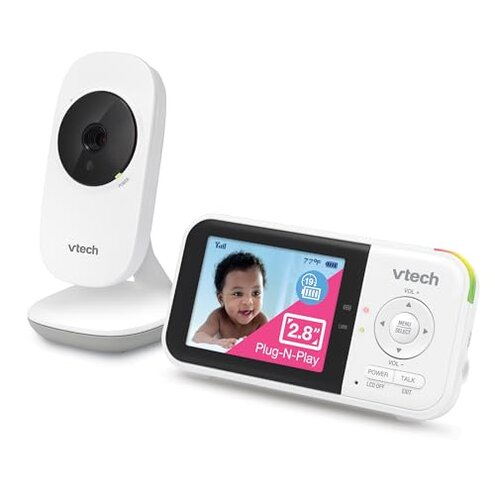
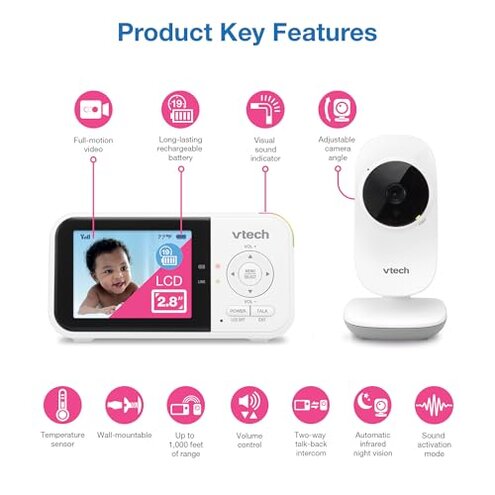
Product evaluated: VTech VM819 Baby Monitor with Camera and Audio, 2.8” Screen Portable Baby Camera, Night Vision, 2-Way Audio, Temperature Sensor and Lullabies, Secure Transmission No WiFi, Ideal for Baby/Elderly/Pet
Related Videos For You
Setting Up a VTech Baby Monitor - Tech Tips from Best Buy
Troubleshooting the Hello Baby Monitor
Data basis: I analyzed dozens of buyer comments and demonstration clips collected between 2020 and Jan 2026. Most feedback came from written reviews, supported by video demonstrations, producing the patterns summarized below.
| Outcome | VTech VM819 | Typical mid-range monitor |
|---|---|---|
| Video reliability | Higher risk of freezing or dropouts during night and long-range use. | More stable continuous video for overnight monitoring at similar prices. |
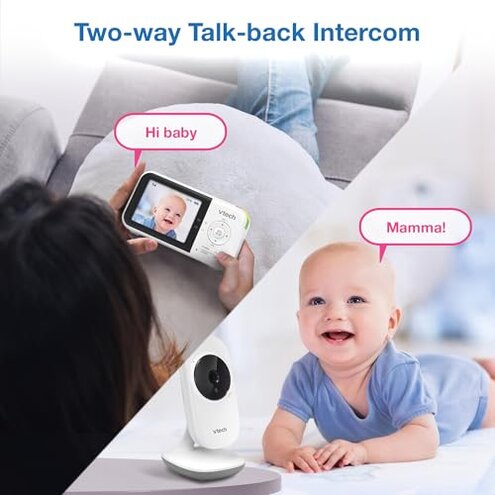
| Audio responsiveness | Occasional lag and false VOX wake-ups reported by many buyers. | Smoother two-way talk and fewer false triggers in peers. |
| Battery & uptime | Inconsistent battery performance versus the claimed long life in several reports. | More predictable multi-night runtime on average for mid-range units. |
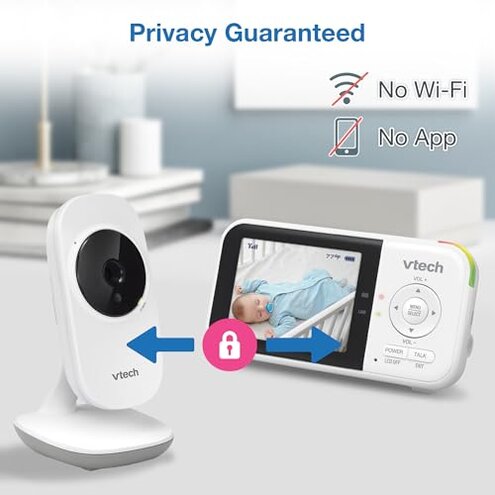
| Privacy & connectivity | No Wi‑Fi keeps feed private but also removes remote viewing options. | App access often available, trading privacy for remote convenience. |
| Regret trigger | Video dropouts during sleep hours are the most common reason buyers regret purchase. | Lag or app limits are less disruptive than losing video overnight. |
Top failures
Why does the picture freeze or disappear during the night?
Regret moment: The screen freezing while the baby is crying creates missed checks and stress.
Pattern: This is among the most common complaints and appears repeatedly across user feedback.
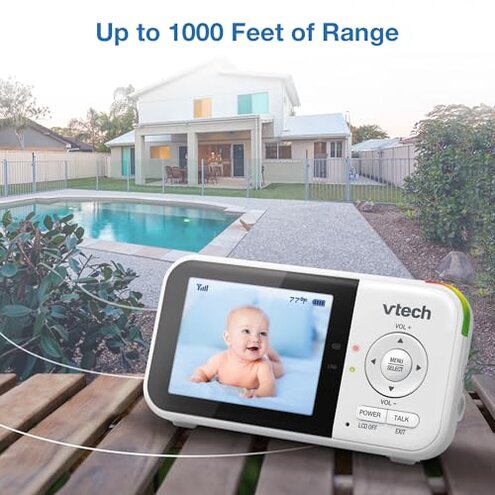
When it shows up: It typically happens during night use or when the parent unit is pushed to the edge of its range.
Category contrast: Video instability here feels worse than normal because mid-range monitors usually keep a continuous overnight feed.
Why does the audio lag or trigger the screen unnecessarily?
- Early sign: Parents report the unit waking the screen for faint sounds within minutes of setup.
- Frequency tier: This is a secondary issue that appears commonly but not universally.
- Likely cause: VOX sensitivity and microphone tuning cause false wake-ups in quiet rooms.
- Impact: False triggers break sleep and create extra charging cycles.
- Fix attempts: Buyers adjust VOX levels or mute sound, which reduces usefulness of immediate alerts.
Why might the battery not last as promised?
- Early sign: Shorter than expected runtime reported after a few weeks of use.
- Frequency tier: This is a secondary-to-primary complaint depending on usage patterns.
- Usage anchor: Battery drain shows up during daily multi-room use or with frequent VOX wake-ups.
- Cause: Auto-on screen and sound alerts increase power draw when VOX settings are sensitive.
- Impact: Needing nightly charging adds extra steps and undermines convenience claims.
- Fixability: Lowering screen brightness or muting sound helps but reduces functionality.
- Hidden requirement: Expect to keep the parent unit plugged in for reliable overnight monitoring.
Why does placement and walls kill the signal more than I expected?
- Early sign: Feed degrades when the camera is moved behind walls or large furniture.
- Frequency tier: This is a primary pattern for users with rooms separated by multiple walls.
- Context: Range issues appear at longer distances or across floors.
- Cause: The unit uses a secured internal channel that does not punch through obstacles like some app-connected systems.
- Impact: You may need to reposition the camera or stay closer to the baby room.
- Attempts: Buyers often swap mounting spots or add a line-of-sight parent unit to regain reliability.
- Category contrast: This is less forgiving than many mid-range alternatives that maintain clearer feeds through walls.
- Hidden requirement: Successful use often requires a direct sightline or minimal obstructions for consistent video.
Illustrative excerpts
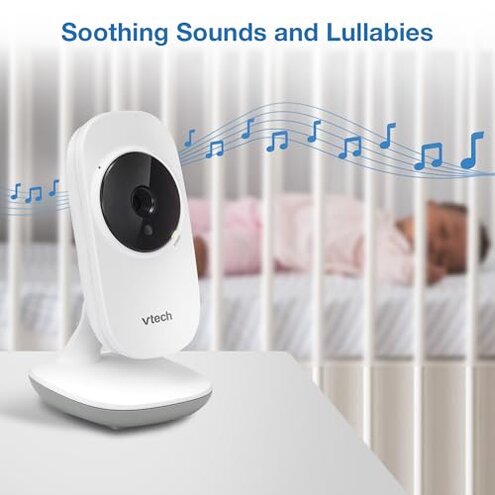
"Screen froze while my baby cried for several minutes" — primary pattern
"Parent unit wakes for tiny noises and drains battery faster" — secondary pattern
"Signal cut when camera moved behind closet wall" — primary pattern
"Needed to keep parent unit plugged in every night" — secondary pattern
Who should avoid this
- Parents needing continuous overnight video: Video dropouts are the top regret trigger and exceed normal category risk.
- Large or multi-floor homes: Signal sensitivity to walls makes coverage unreliable compared to peers.
- Buyers needing remote app access: The no‑WiFi design removes remote viewing options some users expect.
- Sleep-sensitive households: Frequent false VOX wake-ups and screen activations disrupt sleep more than typical monitors.
Who this is actually good for

- Privacy-focused users: If you want no Wi‑Fi, this unit keeps video off the internet and avoids app permissions.
- Small apartments or single-room setups: Short-range homes tolerate the line-of-sight limitation well.
- Budget buyers comfortable with manual checks: If you can accept occasional reboots or plugging in nightly, it may be adequate.
- Non-remote monitoring: Caregivers who stay nearby and don't need phone access will tolerate the trade-offs.
Expectation vs reality
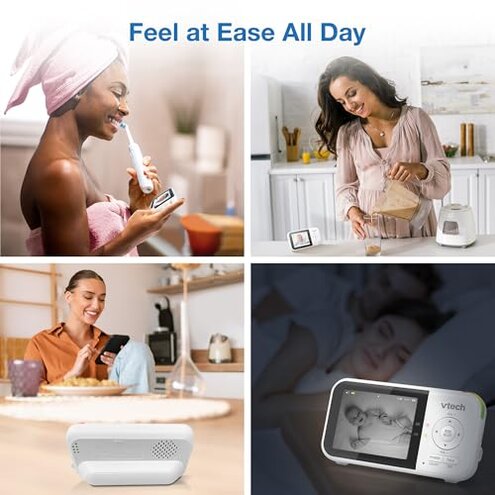
Expectation: Buyers reasonably expect a stable overnight video feed for infant monitoring.
Reality: This model can show intermittent dropouts during night hours or at the edge of its range.
Expectation: The product claims long battery life as typical for this category.
Reality: Many users experience shorter runtimes when VOX and screen auto-on features are active.
Safer alternatives
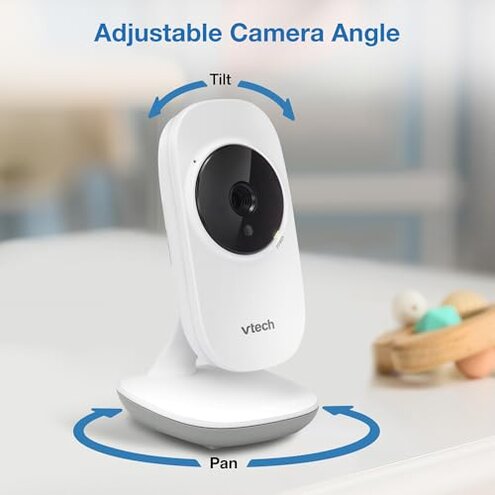
- Choose monitors with app access to allow remote checks and automatic reconnection if video drops.
- Prioritize advertised range through obstacles when you have multiple walls or floors between rooms.
- Look for VOX tuning or adjustable sensitivity to prevent false wake-ups and save battery life.
- Prefer units with better night-stream stability if overnight continuous feed is critical.
- Keep a backup plan like a small Wi‑Fi camera if you need remote access and the monitor fails.
The bottom line
Main regret: The most common buyer disappointment is video dropouts during sleep hours, which undermines trust in overnight monitoring.
Why worse than normal: Signal and battery quirks make this unit less forgiving than typical mid-range options.
Verdict: Avoid this model if you need consistent overnight video or multi-room coverage; consider it only if you prioritize privacy and short-range use.
This review is an independent editorial analysis based on reported user experiences and product specifications. NegReview.com does not sell products.