
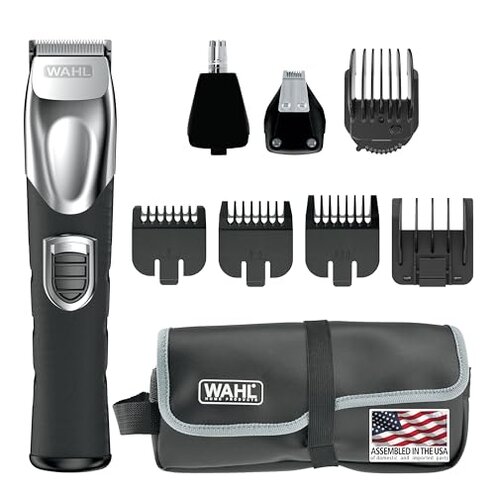
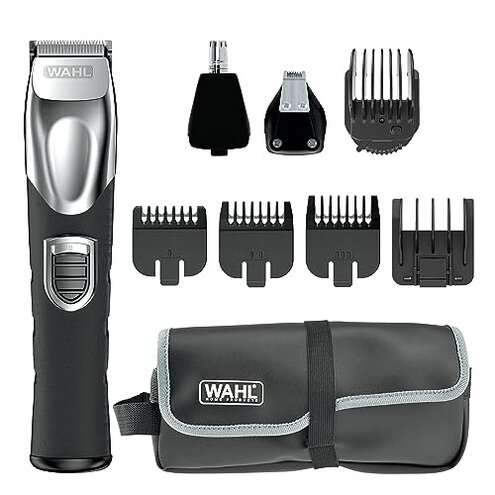
Product evaluated: Wahl USA Rechargeable Lithium Ion All in One Beard Trimmer for Men with Detail and Ear & Nose Hair Trimmer Attachment – Model 9854-600B
Related Videos For You
How to take care of your Brio Beardscape Trimmers
Vintage T9 Trimmer Battery Charging Guide
Data basis: This report is based on dozens of buyer reviews and demonstration videos collected between Jan 2018 and Jan 2026. Most feedback came from written reviews, supported by video demonstrations. Signals reflect a mix of recent and long-term owners.
| Outcome | Wahl 9854-600 | Typical mid-range trimmer |
|---|---|---|
| Battery reliability | Inconsistent—reports of quick loss or decline after months of use. | Steady—most mid-range models keep reasonable charge for 1–2 years. |
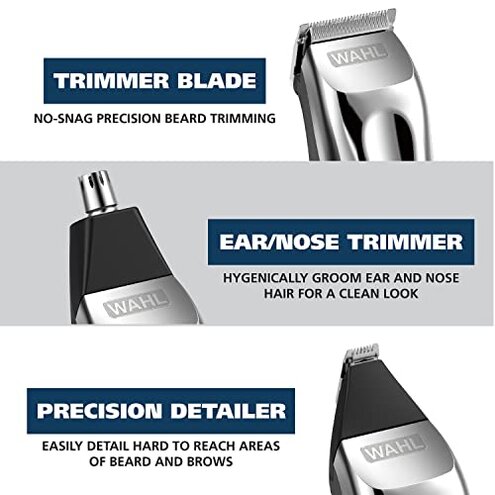
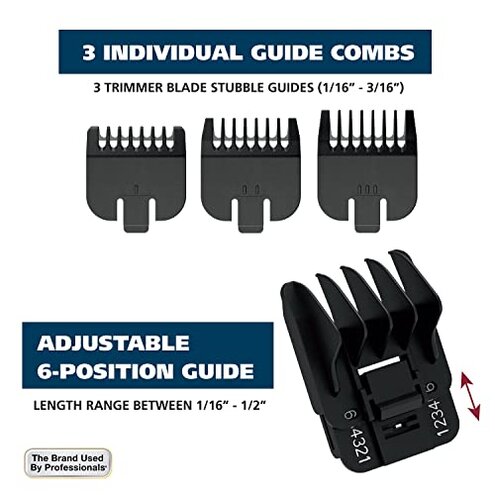
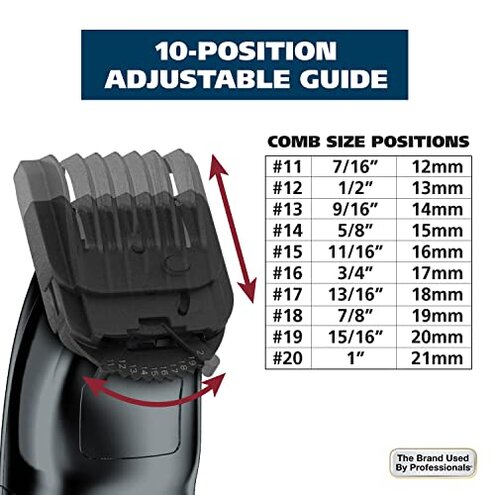
| Attachment fit | Loose or fragile—clips and heads may wobble or break with normal use. | Tight fit—typical alternatives use sturdier clip systems. |
| Maintenance burden | Higher—requires regular oiling and careful handling to stay sharp. | Average—most mid-range trimmers need normal cleaning and occasional oiling. |
| Performance over time | Declines faster—motor power and blade performance can drop after repeated use. | More durable—mid-range units retain cutting power longer under similar use. |
| Regret trigger | Battery + attachments—combined failures create more disruptions and make grooming take longer. | Single-issue—alternatives usually fail in one area less often. |
Top failures
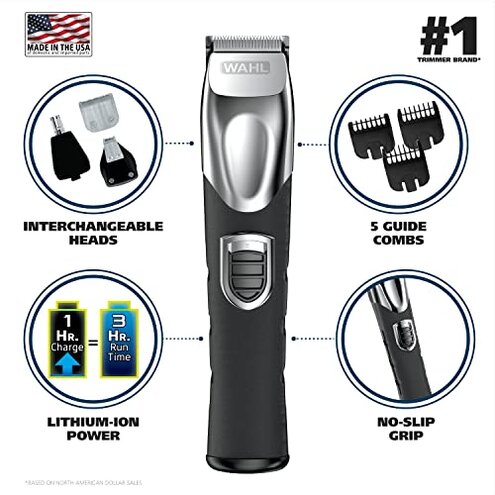
Why does the battery die or weaken so fast?
Regret moment: Users notice the trimmer loses runtime within months, which interrupts grooming and forces extra charges.
Pattern: This is a primary issue that appears repeatedly in owner feedback.
Context: The problem shows up after repeated use and worsens when run for longer sessions or charged frequently.
Category contrast: This feels worse than normal because most mid-range trimmers keep consistent runtime for a year or more.
Why do attachments fit poorly or break?
- Early sign: Clips feel loose on first few uses.
- Frequency tier: This is a secondary issue seen across multiple buyer reports.
- Cause: Wear and minor drops accelerate wobble and detachment.
- Impact: Loose heads create uneven trimming and missed hairs.
- Attempted fixes: Users resort to tape or careful alignment, which adds steps to every trim.
Why does the blade pull or require so much upkeep?
Regret moment: Blades can catch hairs or feel dull without frequent oiling, making shaves uncomfortable.
Pattern: This is a primary maintenance pattern that appears repeatedly in feedback.
- Early sign: Slight tugging on the first few trims when blades are not oiled.
- Frequency tier: Maintenance needs are a primary issue compared with typical trimmers.
- Hidden requirement: Manufacturer guidance to oil frequently creates extra upkeep most buyers don't expect.
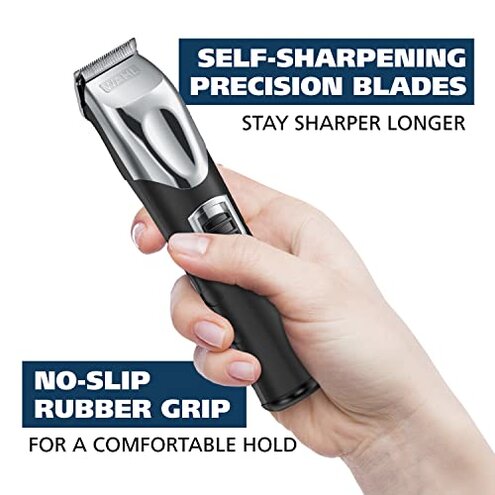
- Cause: Self-sharpening blades still depend on regular oiling to avoid friction.
- Impact: Increased skin irritation and longer grooming times without correct care.
- Fixability: Proper oiling and blade replacement help, but they add cost and time over months.
Why is noise, vibration, or motor fade a problem?
Regret moment: High vibration or a grinding motor makes long trims uncomfortable and signals failing internals.
Pattern: This is a secondary-to-edge problem that appears more often after heavy or frequent use.
- Early sign: Trimmer feels vibrational at high speeds on first uses.
- Frequency tier: Motor fade is less frequent than battery issues but more disruptive when it occurs.
- When it worsens: Long sessions, daily use, or trimming thicker hair increase stress on the motor.
- Cause: Heat and continuous loads can degrade motor bearings over time.
- Impact: Reduced cutting quality and a noisy experience that can startle users or kids.
- Attempts: Owners try resets and full charges, which sometimes restore short-term performance.
- Hidden need: Some users end up needing professional service, which is a time cost.
Illustrative excerpts
"Battery went from full to dead in months, interrupted my morning routine." — reflects a primary pattern
"Clip wobbles and hair gets missed unless I press down hard." — reflects a secondary pattern
"Needed oiling every few trims or blades tug and irritate skin." — reflects a primary maintenance pattern
Who should avoid this
- Frequent travelers who need guaranteed long runtime from a trimmer.
- Low-maintenance buyers who do not want to oil blades or fuss with attachments.
- Thick-beard users who trim daily and may accelerate motor or blade wear.
Who this is actually good for
- Occasional users who trim once a week and can accept occasional upkeep.
- Budget buyers willing to trade durability for lower up-front cost and short-term use.
- Owners comfortable with maintenance who will oil blades and store the unit carefully.
Expectation vs reality

- Expectation: Reasonable for this category—trimmers should hold charge for many months.
- Reality: This model can lose runtime within months, creating extra charging and downtime.
- Expectation: Attachments snap on and stay secure for normal use.
- Reality: Some heads feel loose and need alignment or temporary fixes to work well.
Safer alternatives
- Pick models with removable batteries to avoid total loss if the pack degrades.
- Choose trimmers with metal attachment rails for a firmer, longer-lasting fit.
- Look for longer battery warranties to reduce replacement risk and service hassle.
- Prioritize sealed motor designs to reduce noise and vibration over time.
The bottom line
Main regret: Combined battery decline and attachment weakness create the strongest complaints and daily friction.
Why worse: These failures make routine grooming take longer and require more upkeep than most mid-range trimmers.
Verdict: Avoid this model if you need reliable runtime, sturdy attachments, and low maintenance.
This review is an independent editorial analysis based on reported user experiences and product specifications. NegReview.com does not sell products.